
Easy Ginger Tea Recipe for Weight-Loss

Quick Ginger Tea Recipe (30-Second Version)

  • Boil 2½ cups of water with fresh ginger slices and a small cinnamon stick to start your soothing Ginger tea.
  • Simmer for 10–15 minutes, then turn off the heat to let the Ginger tea develop its aroma.
  • Add lemon slices and let the tea steep for 5 minutes.
  • Strain, sweeten lightly, and serve warm – perfect for a relaxing and low-calorie Ginger tea that supports your wellness goals.

Note: This article shares general wellness information only and isn’t medical advice. Always talk with your healthcare provider before using ginger tea regularly – especially if you’re pregnant, taking blood thinners, or managing chronic health conditions.

I first brewed ginger tea on a cold morning after a long work-from-home week. The spicy aroma filled my kitchen and lifted my mood right away. Since then, I’ve started most mornings with this simple, cozy drink that warms me from the inside out, especially after takeout nights when I need something light and cleansing.

At a Glance: Ginger Tea Quick Summary

  • Total Time: 15–20 minutes from prep to pour.
  • Calories per Cup: Approximately 10–25 kcal (with optional honey or stevia).
  • Main Benefits: Soothes digestion, reduces bloating, and supports gentle weight management.
  • Perfect For: Busy U.S. readers looking for a simple, healthy daily ritual.
  • Pro Tip: Use fresh ginger and standard U.S. measuring cups for the best results.

To begin with, ginger tea is a warm, caffeine-free drink made by simmering slices of fresh ginger root in water. To make it, just boil a few thin slices of ginger for 10-15 minutes, then finish with lemon or a small touch of honey for balance. Therefore, this quick, homemade ginger tea recipe takes less than 20 minutes and fits easily into any healthy routine.

Moreover, many people enjoy it for its soothing flavor and digestive comfort. Some studies suggest that ginger may support metabolism and help reduce bloating, making it a gentle addition to weight-loss plans when paired with balanced eating and movement. According to Harvard Health, ginger has long been used to calm nausea and aid digestion, which makes this tea a smart daily ritual.

This recipe is written for a U.S. kitchen using standard U.S. measuring cups and spoons, with ingredients you can find in most American grocery stores.
It’s a practical, cozy ritual that fits perfectly into busy U.S. mornings or weeknight routines, when you want something simple and soothing.

In this guide, I’ll share my classic recipe, a Slim & Soothing version for light weight-loss support, and the real science behind ginger tea’s everyday benefits.

What Is Ginger Tea and Why Do People Love It?

Ginger tea refers to a simple, caffeine-free drink made by simmering fresh ginger root in water. It has a warm, spicy taste many people enjoy on cool mornings or calm evenings.

You can find fresh ginger in the produce section of most U.S. grocery stores, usually near garlic and herbs. You may also see ready-to-steep ginger tea bags in the tea aisle, but fresh ginger gives a stronger, more natural flavor.

Global Traditions of Ginger Tea

Ginger tea has deep roots across many cultures. In Korean homes, hot ginger tea (known as saenggang-cha) is often enjoyed during cold seasons for its soothing warmth.

In India, ginger is commonly added to daily chai, appreciated for its mild warmth and soothing aroma. Similar infusions are found across Asia, the Caribbean, and Africa, where ginger tea is prepared as a natural remedy to relax the body and aid digestion.

This version is a simple, U.S.-friendly take inspired by those global traditions, easy to make with ingredients found in most American grocery stores, yet still full of the same cozy, restorative spirit.

People appreciate ginger tea because it hydrates and offers soothing digestive support. It also comforts the stomach and may ease mild nausea after meals or during travel. Studies show that ginger contains compounds like gingerol that help calm digestive discomfort and reduce nausea and vomiting in certain situations. PMC

Ginger also contains antioxidants and anti-inflammatory components that may support overall wellness, including digestion and comfort. Cleveland Clinic

This drink fits easily into everyday life because you can make it in minutes using simple ingredients. In the next section, you’ll learn exactly how to make fresh ginger tea at home, step by step.

How to Make Ginger Tea

Making ginger tea at home is quick, affordable, and surprisingly relaxing. Because it requires only a few simple ingredients, it’s one of the easiest drinks to prepare for daily wellness. In fact, it takes less than 20 minutes from start to finish, which makes it ideal for busy mornings.

Ingredients (for 2 mugs)

IngredientPurpose
2½ cups (600 ml) filtered waterHydrating base that helps flush toxins and support circulation
1½-inch (4 cm) piece fresh ginger root, thinly slicedStimulates digestion, relieves bloating, and boosts metabolism
2 thin lemon slicesAdds vitamin C and promotes gentle detox synergy
1 small cinnamon stick or ¼ tsp ground cinnamon (optional)Supports blood sugar balance and adds natural warmth
1 tsp raw honey or 1–2 drops liquid stevia (optional)Adds light sweetness and enhances energy without excess calories
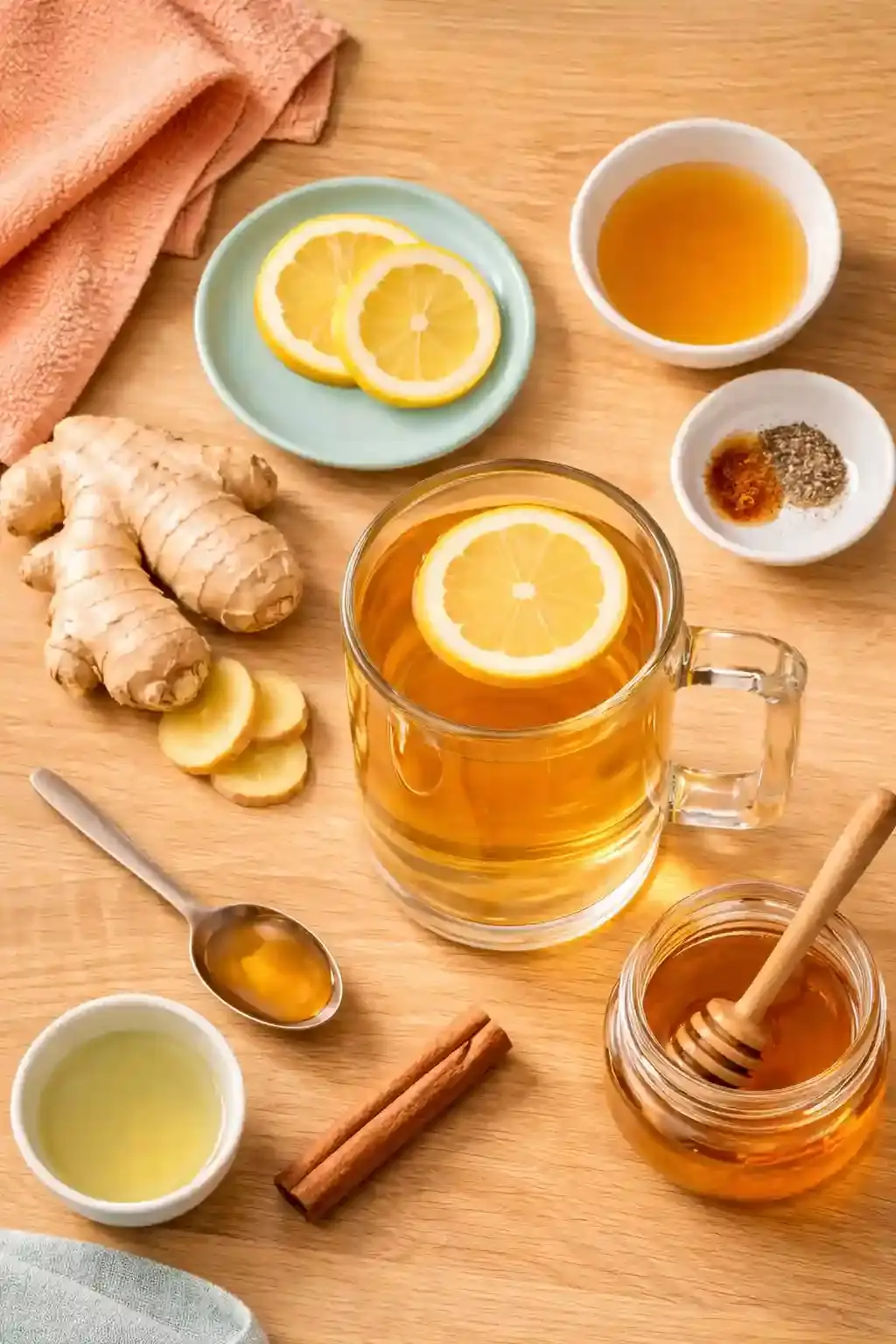
Fresh ginger, lemon slices, cinnamon, and honey styled on soft cream background
Fresh and minimal setup of natural ingredients that make a soothing ginger tea.

Quick Facts: Ginger Tea for Weight Loss

Calories (per mug):10–25 kcal
Caffeine:None (naturally caffeine-free)
Best Time to Drink:Morning, before meals, or evening
Key Benefits:Supports digestion, reduces bloating, promotes hydration
Main Ingredients:Fresh ginger root, lemon slices, cinnamon, honey (optional)
Flavor Profile:Warm, spicy, and gently citrusy
Storage Life:Up to 3 days (refrigerated in glass jar)

Pro Tip: Use standard U.S. measuring cups and spoons for consistency. Fresh ginger from most American grocery stores offers a brighter aroma and fuller flavor, so even a small piece goes a long way.
This recipe is designed specifically for U.S. home kitchens, using everyday tools and familiar cup-and-teaspoon measurements to make your tea taste balanced every time.

How to Make Ginger Tea (Step-by-Step Guide)

This quick method shows how to brew fresh ginger tea with simple ingredients. Each step ensures full flavor and gentle warmth, perfect for relaxing mornings or digestive support.

  1. Slice the Ginger

    Start by washing the ginger root thoroughly. Cut it into thin coins to release its spicy aroma and natural oils. No peeling is needed if the skin looks clean.Hand slicing fresh root on wooden board with small kitchen knife

  2. Prepare the Base

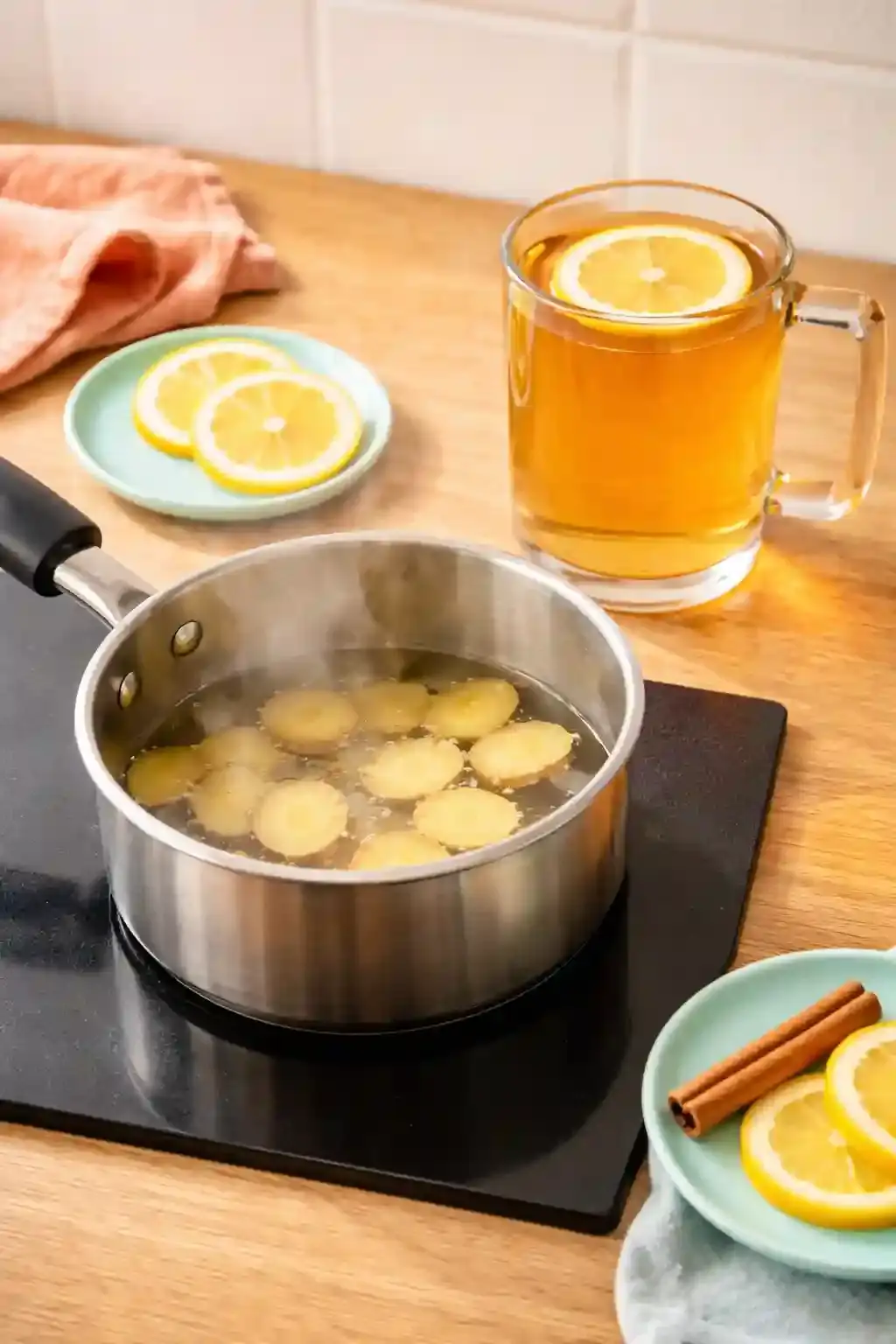
    Pour filtered water into a small saucepan. Add the ginger slices and cinnamon stick, then place it over medium heat until it starts to simmer.Warm steam rising from a saucepan of ginger and cinnamon beside a clear mug ready for serving.

  3. Simmer and Steep

    Once the mixture bubbles softly, lower the heat and let it simmer for about 10–15 minutes. This helps extract ginger’s soothing properties.Warm steam rising from a saucepan of ginger and cinnamon beside an empty mug on the counter.

  4. Add Lemon for Brightness

    Remove the saucepan from heat. Drop in thin lemon slices and cover it for five minutes. This step adds gentle citrus flavor without bitterness.Hand adding lemon slices into hot drink beside saucepan

  5. Sweeten and Serve

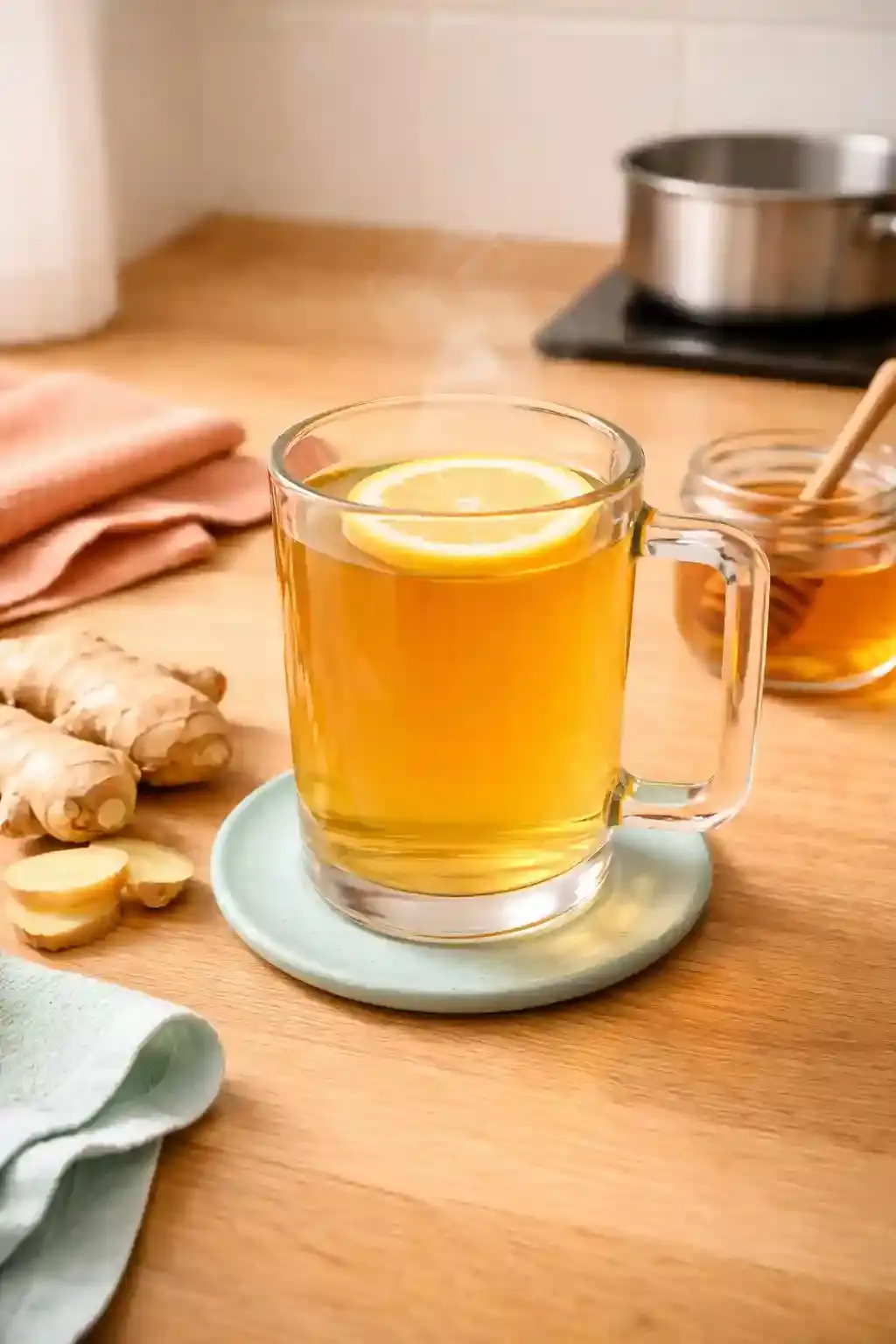
    Strain the tea into mugs and stir in honey or stevia if you prefer sweetness. Serve warm with a lemon slice on top for a fresh, comforting finish.Steam rising from a hot cup near window with cozy atmosphere

Nutrition Tip: Fresh ginger contains bioactive compounds that may support digestion and ease mild nausea. For more details, see its nutrient profile on USDA FoodData Central.

Wellness Tip:If you’d like more healthy drink ideas, visit our weight loss drinks guide. It features metabolism-friendly options that fit easily into a balanced routine. Besides, these recipes use simple ingredients you can find in any U.S. grocery store.

Can Ginger Tea Help with Weight Loss or Not?

Ginger tea is not a miracle weight-loss drink on its own. However, it can still make a meaningful difference when part of a healthy lifestyle. Moreover, when combined with balanced meals and regular activity, it may gently support natural weight management. In addition, it helps with hydration, warmth, and digestive comfort, which together encourage mindful eating and consistent well-being. Therefore, even if it is not a quick fix, it remains an easy, long-term habit worth keeping. As a result, this soothing drink supports balance rather than restriction and promotes a calm, mindful rhythm.

1. Bioactive Compounds That Support Metabolism

To begin with, ginger contains powerful compounds such as gingerol and shogaol, which may influence metabolism and digestion. Moreover, these bioactive substances can slightly increase thermogenesis, helping the body burn calories more efficiently. In addition, research suggests that ginger may help reduce body weight, improve waist-to-hip ratio, and regulate blood sugar and lipid metabolism. For example, a study on PubMed found that regular ginger intake led to modest yet consistent improvements in metabolic health. Consequently, drinking ginger tea regularly may gently support balanced metabolism. Furthermore, since it is natural and soothing, it can easily become part of a daily wellness routine. Thus, including ginger tea in your plan may strengthen long-term metabolic balance.

2. Digestive Benefits and Gut Comfort

Additionally, ginger’s digestive properties may indirectly support weight-related goals. Ginger encourages healthy gut motility, allowing food to move smoothly through the digestive tract. As a result, it helps reduce bloating, gas, and post-meal heaviness. Moreover, when digestion feels lighter, it becomes easier to eat mindfully and recognize fullness cues. In addition, this comfort may lower cravings for processed foods. Consequently, a balanced digestive system supported by ginger tea helps maintain steady energy levels and mindful eating habits. Therefore, improving digestion contributes directly to overall comfort and better well-being.

3. A Healthy Alternative to Sugary Drinks

Furthermore, many people enjoy ginger tea as a warm, low-calorie alternative to sugary beverages. Because of this, it naturally lowers sugar intake while maintaining hydration and satisfaction. Moreover, it helps with mild nausea and bloating, which supports better food choices. According to Mayo Clinic News Network, herbal teas such as ginger tea can also soothe the digestive system after meals. Therefore, replacing soda or juice with ginger tea not only reduces calories but also helps the body stay hydrated. In addition, it easily fits into any mindful, sustainable wellness routine. For instance, sipping a warm cup after lunch can reduce afternoon sugar cravings. Consequently, this small swap helps replace empty calories with real nourishment. Thus, ginger tea supports a healthier daily rhythm naturally.

4. Realistic Expectations and Long-Term Balance

Finally, research on ginger tea and long-term weight loss remains limited. However, most scientific studies on ginger supplements show positive metabolic benefits. Nevertheless, ginger tea still provides hydration, antioxidants, and gentle digestive support. Moreover, it can blend naturally into everyday life without restriction. Therefore, it should be seen as a supportive ritual rather than a quick fix. In addition, combining it with mineral-rich drinks such as our Pink Salt Diet Recipe may improve hydration and electrolyte balance. Consequently, both drinks together encourage gentle detox, steady energy, and long-term vitality without added sugar. Overall, ginger tea remains a simple, sustainable ally for daily balance. For example, you can explore more wellness drinks in our Weight Loss Drinks Guide or learn about minerals in our Japanese Pink Salt Weight-Loss article.

Quick Answer: Can Ginger Tea Help with Weight Loss?

Key Takeaways on How Ginger Tea Supports Weight Loss

  • Yes, ginger tea can support gentle weight loss when combined with balanced eating, hydration, and regular movement.
  • Moreover, it may help reduce bloating and improve digestion, making meals feel lighter and more satisfying.
  • In addition, the warmth of ginger boosts circulation and metabolism slightly, which may aid calorie burn in small ways.
  • As a result, replacing sugary drinks with this tea can cut hundreds of empty calories over time.
  • Finally, for best results, enjoy it 20–30 minutes before meals or as a relaxing caffeine-free drink at night.

Ginger Tea vs. Other Popular Weight-Loss Drinks

Many drinks claim to support weight loss, but they don’t all offer the same benefits. Here’s how ginger tea compares with a few everyday options in terms of caffeine, calories, and sugar:

DrinkCaffeineCalories (per cup)SugarBest Use
Ginger TeaNone0–100–2g (if unsweetened)Best evening or post-meal option; supports digestion and relaxation.
Green TeaModerate2–50Good morning or mid-day metabolism boost; may improve fat oxidation.
Lemon WaterNone0–50Great for hydration and detox mornings; can pair with meals.
Sugary Coffee DrinksHigh150–400+15–40gBest avoided for weight loss; adds calories and may spike cravings.

As you can see, ginger tea stands out as a caffeine-free, low-calorie drink that fits perfectly into balanced routines – especially in the evening, when green tea’s caffeine might disrupt sleep. It supports hydration, digestion, and mindful relaxation without added sugars or stimulants.

Ginger Tea vs Green Tea for Weight Loss

Both ginger tea and green tea are popular drinks for metabolism and wellness. However, they work differently in your daily routine. Here’s a simple comparison to help you choose which one fits your goals best.

DrinkCaffeineFlavorBest TimeWeight-Loss Role
Ginger TeaCaffeine-freeWarm, spicy, soothingMorning or eveningSupports digestion, reduces bloating, promotes hydration
Green TeaLight caffeineGrassy, mild, slightly bitterMorning or before exerciseBoosts metabolism and fat oxidation
Both CombinedMild caffeine (if mixed)Balanced and warmingMidday or pre-workoutCan improve focus and digestion together

If you’re sensitive to caffeine or prefer an evening drink, ginger tea is the better choice. For mornings or workouts, green tea offers a light metabolism boost. Both are excellent when unsweetened and enjoyed as part of a balanced, whole-food diet.

Are There Any Side Effects of Drinking Ginger Tea Daily?

For most people, ginger tea is considered safe when consumed in moderation. However, excessive intake may lead to mild side effects in some individuals. Because of this, it’s always wise to enjoy it mindfully and stay within comfortable limits. Moreover, ginger is naturally active in the body, so small adjustments can make a big difference in how it feels. In fact, understanding your body’s reaction helps you drink it safely.

1. Possible Stomach Sensitivity

To begin with, drinking ginger tea on an empty stomach may cause mild heartburn or nausea for sensitive people. This occurs because ginger can increase stomach acid slightly to aid digestion. Therefore, it’s best to drink it after eating or with a light snack. As a result, this simple habit helps prevent irritation and keeps the tea gentle on your system. Furthermore, pairing it with food improves comfort and balance.

2. Medication Interactions

Additionally, if you take blood-thinning or diabetes medications, it’s important to check with your doctor before drinking large amounts of ginger tea. Since ginger can affect blood clotting and glucose control, moderation supports safety. According to Johns Hopkins Medicine, ginger supports digestive balance but may intensify the effects of certain medications in high doses. Consequently, a quick medical check ensures your routine remains safe and beneficial. Thus, always confirm with a professional before changing your intake.

3. During Pregnancy

Furthermore, many pregnant individuals use ginger tea to relieve morning sickness. While moderate consumption is generally safe, large quantities may cause heartburn or digestive discomfort. For this reason, most health experts recommend limiting intake to one or two cups per day during pregnancy. Therefore, drinking smaller amounts offers comfort without risk. As a result, balance allows you to enjoy its soothing benefits safely.

4. Individual Tolerance

Finally, everyone’s tolerance is different. If you notice bloating, irritation, or dizziness, it’s best to reduce your intake. In most cases, one to three cups of mild ginger tea per day are safe for healthy adults. Overall, this balanced approach lets you enjoy the calming and digestive benefits of ginger tea without unwanted effects. Therefore, moderation truly is the key to daily comfort and wellness. In conclusion, paying attention to your body helps maintain safety and lasting well-being.

The Real Pros and Cons of Drinking Ginger Tea Daily

Pros & Cons of Drinking Ginger Tea Every Day

Pros

  • Improves digestion and helps reduce mild bloating naturally.
  • Encourages hydration and replaces sugary or caffeinated drinks.
  • Provides a soothing, warming effect that supports relaxation.
  • Helps support appetite control when enjoyed before meals.
  • Easy to make daily using simple, affordable ingredients.

Cons

  • Strong tea may trigger mild heartburn or stomach sensitivity.
  • Can interact with medications like blood thinners or diabetes drugs.
  • Not a quick weight-loss fix – works best with healthy habits.
  • Should not replace medical advice or professional care.

Note: This overview is for educational and wellness purposes only. Consult your healthcare provider before using ginger tea regularly, especially if pregnant or on medication.

Tasty Ginger Tea Variations to Try at Home

One of the best things about homemade ginger tea is how versatile it is. With just a few simple tweaks, you can create unique versions to match your mood, season, or wellness goal. All these variations stay light, nourishing, and weight-loss friendly when made with little to no added sweetener.

1. Lemon-Honey Comfort Tea

Combine warm ginger tea with a squeeze of fresh lemon and one teaspoon of raw honey. The result is a soothing, slightly sweet citrus tea that comforts your throat and digestion. It’s ideal on cold mornings or before bedtime for gentle relaxation.

2. Cinnamon Detox Tea

Simmer a cinnamon stick with your ginger, then add lemon slices at the end for balance. Cinnamon supports steady energy and a healthy metabolism, making this a perfect midday pick-me-up or post-meal drink.

3. Mint & Lime Digestion Tea

Add a few fresh mint leaves and a squeeze of lime juice after removing the tea from heat. The cooling mint eases bloating while lime enhances freshness and supports digestion after heavy meals. It’s refreshing, low-calorie, and naturally hydrating.

4. Orange-Ginger Winter Tea

Swap lemon for a slice of orange or a strip of orange peel. The oils add a cozy, citrusy aroma and a vitamin C boost – ideal for cold weather. Enjoy this bright version during the holidays for a comforting winter wellness drink.

5. Turmeric-Ginger Immunity Blend

Add ¼ teaspoon of ground turmeric or a few slices of fresh turmeric root while simmering the ginger. Add a small pinch of black pepper to help your body absorb nutrients more effectively. This variation supports joint comfort and natural immunity.
Pair it with our Mango Turmeric Smoothie for a naturally soothing and anti-inflammatory boost.

6. Iced Ginger Tea & Concentrate

Double your batch, let it cool, and refrigerate it in a glass jar for up to three or four days. Serve it over ice with lemon or mint for a refreshing summer detox drink. It’s sugar-free, hydrating, and ideal for warm weather routines.

7. Spiced Ginger Chai-Style Tea

Simmer your ginger with a cardamom pod, one clove, and a small cinnamon stick for a chai-inspired twist. Use minimal natural sweetener, like a drop of stevia or ½ teaspoon of honey, to highlight the warm spices without excess sugar. It’s energizing yet caffeine-free.

8. Lemon Balm Relaxation Tea

After steeping, add a few lemon balm leaves and let sit for five minutes before straining. Lemon balm promotes calmness and better sleep. Enjoy it before bed or as a gentle evening ritual – inspired by our Lemon Balm Recipe for Weight Loss.

Each of these ginger tea variations keeps the same warm, soothing base while introducing new flavors and wellness benefits. For best results, limit added sweeteners, use fresh ingredients, and enjoy your tea as part of a balanced hydration and mindful eating routine.

Nutrition & Cost Breakdown

Ginger Tea Nutrition Highlights (1 Mug – 250 ml)

Homemade ginger tea is light, caffeine-free, and soothing. A single mug provides hydration and mild antioxidants with minimal calories, perfect for digestion, metabolism, and daily wellness support.

NutrientAmount
Calories10–25 kcal
Carbohydrates2–6 g
Fiber0 g
Protein0 g
Fat0 g
Vitamin C6–8 mg (10% DV)
Sodium5–10 mg

These values may vary depending on the amount of ginger, lemon, and whether honey or stevia is added.

Based on USDA data, a 250 ml mug of homemade ginger tea provides gentle antioxidants and compounds such as gingerol that support digestion and comfort.
With only 10–25 calories per serving, it’s virtually calorie-free yet soothing and hydrating.

It’s suitable for vegan, detox, keto, low-calorie, and anti-bloating routines, making it a smart daily drink for hydration and metabolism support.

Nutrient% Daily ValueCategory
Calories0.5%Very Low
Protein0%Minimal
Fiber0%Low
Vitamin C10%Good
Sodium0.3%Very Low

Cost Breakdown of Homemade Ginger Tea (Per Mug)

Here’s a realistic cost estimate based on U.S. grocery prices (as of 2025).

IngredientCost (USD)
Fresh ginger (1½-inch piece)$0.25
Lemon (2 slices)$0.20
Cinnamon stick or ¼ tsp ground$0.15
Raw honey or stevia (optional)$0.10
Filtered waterNegligible
Total (2 mugs)$0.70
Cost per mug≈ $0.35

This makes homemade ginger tea one of the most affordable wellness drinks, light, hydrating, and far cheaper than bottled “detox” teas or café options.

Fresh Ginger vs Tea Bags vs Powder vs Bottled (Which Is Best for Weight Loss?)

When preparing ginger tea for weight loss, not every option provides the same benefits. Each form, fresh, tea bags, powdered, or bottled, differs in flavor, potency, convenience, and nutritional quality. Understanding these differences helps you choose the best one for your daily routine.

Fresh Ginger:
Fresh ginger root offers the highest potency and the most natural flavor. It contains active compounds like gingerol that support metabolism, digestion, and appetite control. While it takes a few extra minutes to slice and simmer, it’s free from added sugars and preservatives, making it the best long-term choice for health and weight management.

Tea Bags:
Ginger tea bags are quick and convenient but usually milder in flavor and lower in active compounds. Some brands include additives or flavorings, so it’s important to read labels carefully. They are great for travel or office use when fresh ginger isn’t available.

Powdered Ginger:
Ground ginger is affordable and keeps well, though its taste tends to be sharper and a bit bitter. Some nutrients are lost during drying and grinding. It works well for cooking or adding to smoothies but is less ideal for a daily detox or metabolism-supporting tea.

Bottled Ginger Drinks:
Pre-bottled ginger teas and concentrates are convenient yet often contain added sugars or sweeteners. They may taste pleasant but usually deliver fewer health benefits and more calories, which can slow progress toward weight goals.

Verdict:
For the most balanced and effective results, fresh ginger combined with lemon and minimal sweetener is the best choice. It gives you the full flavor and natural benefits without unnecessary calories or additives.

Why This Ginger Tea Is Cheaper and Smarter Than Bottled “Detox” Drinks

Homemade ginger tea offers genuine value that store-bought “detox” drinks simply can’t match. With one fresh ginger root and a single lemon, you can brew several cups for the price of one bottled drink. It’s a practical, sustainable choice that supports your health and your budget at the same time.

Most bottled teas and so-called detox beverages are marketed as healthy but often contain hidden sugars, syrups, or artificial flavors that add unnecessary calories. They might taste pleasant, yet they don’t provide the same freshness or potency as tea made from real ginger and citrus.

By making your own tea at home, you control every ingredient. It’s simpler, cleaner, and far more cost-effective for anyone in the U.S. looking to save both money and calories. You get all the warmth, flavor, and gentle detox support of authentic ginger tea, without paying extra for added packaging or marketing claims.

When to Use Each Option

  • Fresh Ginger: Ideal for everyday use; best flavor, strength, and detox support.
  • Tea Bags: Perfect for travel or quick convenience.
  • Powdered Ginger: Useful for baking, smoothies, or occasional warm drinks.
  • Bottled Ginger: Suitable only for occasional use; choose unsweetened versions.

How to Store Fresh Ginger

  • On the Counter: Whole, unpeeled ginger lasts about 5 days in a cool, dry place.
  • In the Fridge: Wrap unpeeled ginger in paper towel and store in a reusable bag for up to 3 weeks.
  • In the Freezer: Peel and slice ginger, then freeze in airtight containers for up to 4 months. You can grate it directly into boiling water when needed.

Brewed Ginger Tea or Concentrate:
Keep prepared ginger tea in a sealed glass jar in the refrigerator for up to 3 days. Reheat it slowly on the stove, or serve it chilled over ice for a refreshing twist. Avoid repeated microwaving, which can weaken the flavor and reduce its natural benefits.

How to Fit This Ginger Tea Into Your Weight-Loss Routine

In fact, adding this ginger tea to your daily rhythm is one of the simplest ways to build steady, healthy habits. However, it’s not a magic fix, but it can make your routine feel more intentional and satisfying. Ultimately, think of it as a supportive ritual, a small change that adds up over time.

Morning – Start Smart

  • Swap your sugary coffee drinks, flavored creamers, or juice for a warm mug of ginger tea.
  • It gives you gentle energy without caffeine crashes and helps wake up your digestion naturally.
  • Pair it with a protein-rich breakfast for balanced energy through the morning.

Before Meals – Support Appetite Control

  • Drink a cup of ginger tea about 20–30 minutes before lunch or dinner.
  • Consequently, the warm liquid helps your body feel centered and can reduce overeating by promoting fullness.
  • Additionally, this works best when part of a balanced plan that includes portion awareness, lean protein, and fiber.

For a light, colorful side, pair your tea with our Carrot Ribbon Salad Recipe, it’s crisp, low-calorie, and beautifully complements this tea’s warmth.

Evening – Calm the Cravings

  • Instead of late-night snacks or sweet drinks, replace them with a soothing cup of ginger tea.
  • The warmth helps relax your body, and the natural spice provides gentle comfort without sugar.
  • Alternatively, enjoy it plain, or add a squeeze of lemon for light flavor and freshness before bedtime.

Keep It Real

In other words, ginger tea supports your weight-loss journey by improving hydration, reducing sugary drinks, and easing bloating, but it doesn’t replace nutritious food or regular movement. Finally, use it as a simple, daily anchor: something warm, mindful, and kind to your body that fits easily into a realistic wellness lifestyle.

FAQ: Common Questions About Ginger Tea

What is the main benefit of ginger tea?

Ginger tea supports digestion and helps reduce mild nausea. Furthermore, it contributes to comfort after heavy meals. Because it improves circulation and adds warmth, it also relaxes the body. In addition, its antioxidants may reduce inflammation naturally, making it an excellent daily wellness drink.

How do I make ginger tea?

First, slice fresh ginger and simmer it in filtered water for 10–15 minutes. Then, add lemon and honey off the heat. As a result, you’ll get a cozy drink that soothes the stomach and boosts hydration.

What should you not mix with ginger tea?

Avoid mixing ginger tea with caffeine or strong stimulants. Because ginger increases circulation, combining it with energy powders may cause jitteriness. Instead, try lemon, mint, or cinnamon for balance and calm energy.

Is it safe to drink ginger tea every day?

Yes, drinking ginger tea daily is safe for most people. However, if you take blood thinners or have acid reflux, drink it moderately. In most cases, one to three cups a day is ideal for steady support.

What is the best time to drink ginger tea?

Ideally, sip ginger tea 20–30 minutes before meals to prepare digestion. In addition, drinking it mid-morning or before bed helps calm the stomach and promote relaxation without caffeine.

Is too much ginger tea bad for your kidneys?

Moderate intake is safe for healthy kidneys. However, drinking too much may irritate digestion in rare cases. Therefore, limit it to two or three cups per day, and consult your doctor if you have kidney conditions.

Enjoyed This Ginger Tea?

If this ginger tea recipe brought warmth or helped you cut back on sugary drinks, share your thoughts below – your feedback inspires others.

★★★★★

Rate it ★★★★★ – your review helps others find healthy recipes that work.

Leave a Review
Print

Ginger Tea Recipe

5 Stars 4 Stars 3 Stars 2 Stars 1 Star

No reviews

This soothing ginger tea recipe blends fresh ginger, lemon, and a touch of cinnamon for a warm, refreshing drink that supports digestion and relaxation. Naturally caffeine-free and full of antioxidants, this homemade tea is ideal for cozy mornings or calm evenings. Ready in just 20 minutes, it’s perfect for wellness seekers who love simple, nourishing routines.

  • Author: Natalie
  • Prep Time: 5 minutes
  • Cook Time: 15 minutes
  • Total Time: 20 minutes
  • Yield: 2 mugs
  • Category: Drinks
  • Method: Simmered
  • Cuisine: American
  • Diet: Low Calorie

Ingredients

  • 2½ cups (600 ml) filtered water
  • -inch (4 cm) piece fresh ginger root, thinly sliced (no need to peel if clean)
  • 2 thin lemon slices, plus extra for serving
  • 1 small cinnamon stick or ¼ tsp ground cinnamon (optional)
  • 1 tsp raw honey or 1–2 drops liquid stevia (optional)

Optional “Slim Boost” Add-Ins:

  • 1 tsp raw apple cider vinegar (added off heat)
  • A small pinch of cayenne or black pepper (for mild fat-burning warmth)

Instructions

  1. Prepare the ginger: Rinse the root well and slice into thin pieces. Keep the peel if it’s smooth and clean.
  2. Simmer the base: Add water, sliced ginger, and cinnamon to a small saucepan. Bring to a boil over medium heat. Once boiling, lower the heat and simmer gently for 10–15 minutes.
  3. Add lemon: Turn off the heat and add the lemon slices. Cover and let it steep for 5 minutes to release the citrus oils.
  4. Sweeten and finish: Strain the tea into mugs. Stir in apple cider vinegar while warm (not boiling). Add honey or stevia if desired.
  5. Serve: Garnish with a fresh lemon slice and enjoy hot. For light weight-loss support, drink one cup 20–30 minutes before a meal.

Notes

  • Flavor strength: Steep for 10 minutes for a smoother flavor or up to 15 minutes for a spicier kick.
  • Make it iced: Cool completely and pour over ice for a refreshing summer detox drink.
  • Storage: Store leftover tea in a glass jar in the fridge for up to 24 hours.
  • Substitutions: Use lime instead of lemon, or add mint for a cooling twist.
  • Safety: If you take blood-thinning medication, limit ginger intake and consult your doctor.

Did you make this recipe?

Share a photo and tag us – we can’t wait to see what you’ve made!

Nutrition Snapshot (Per 1 Cup)

Calories:≈ 15 kcal
Carbohydrates:≈ 3 g
Sugar:≈ 1 g (natural, from lemon or honey)
Fat:0 g
Protein:0 g
Vitamin C:≈ 8–10 mg (from fresh lemon)
Sodium:≈ 5 mg

Note: Nutrition values are approximate and based on 1 cup of brewed ginger tea with lemon and no added sweetener. Actual values may vary depending on ingredient size and steeping time.

Disclaimer: This ginger tea recipe and article are for general wellness and educational purposes only. They are not intended to diagnose, treat, or replace personalized medical or dietary advice. Always talk with your healthcare provider before using ginger tea regularly, especially if you are pregnant, breastfeeding, taking medication, or managing kidney or bleeding conditions.

Chef Natalie - To Learn Recipes

About Chef Natalie

Natalie is the recipe creator behind To Learn Recipes. She develops healthy, weight-loss-friendly recipes and simple wellness drinks designed for real U.S. kitchens – always focusing on balance, hydration, and flavor that fits busy lifestyles.

Natalie personally tests every drink and recipe several times to ensure clarity, consistency, and great taste. Her approach combines hands-on testing with reliable nutrition sources to make healthy cooking easy for American home cooks.

Expertise: Weight management, balanced hydration, and recipe development for sustainable wellness.

📧 Contact: Contact Natalie or learn more on the About Us page.

Editorial Integrity: All To Learn Recipes articles are reviewed for accuracy and clarity. Content is created for educational and wellness purposes only, not as medical advice.

Leave a Comment

Recipe rating 5 Stars 4 Stars 3 Stars 2 Stars 1 Star


Index