
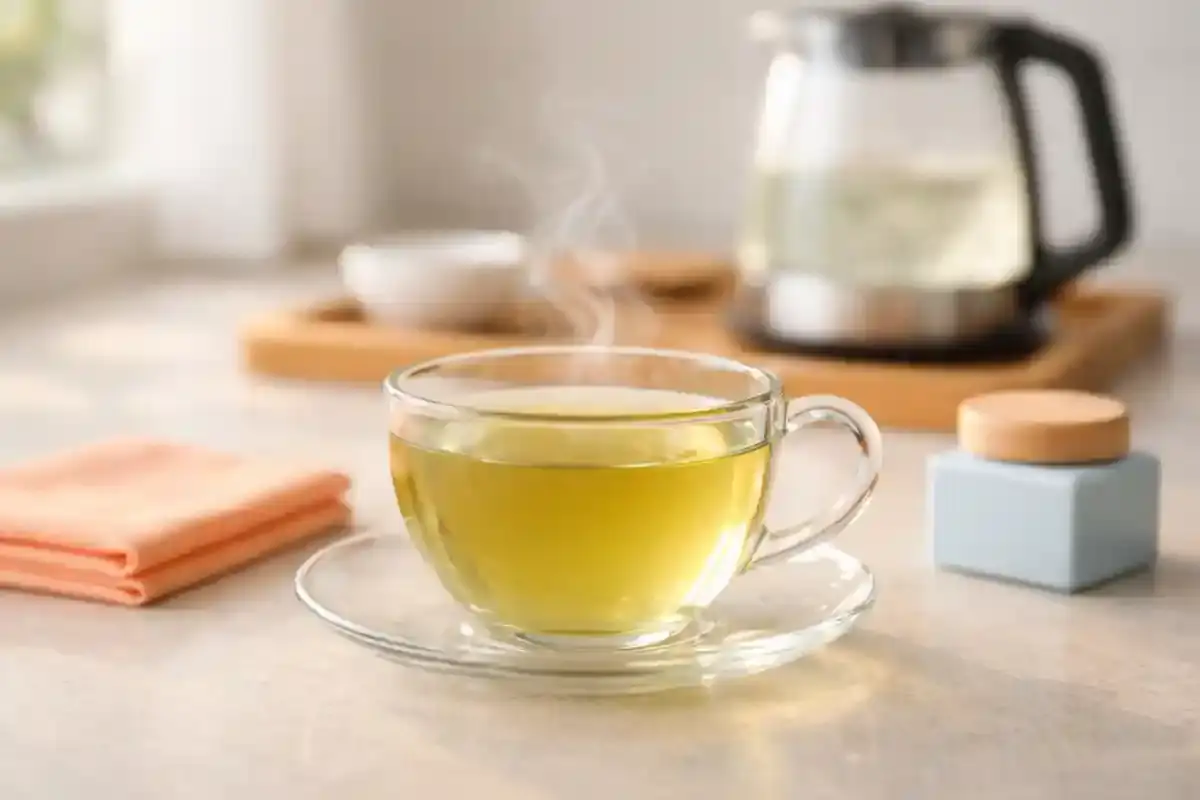
To make green tea without bitterness, use water around 175°F (80°C) and steep for 1–3 minutes. Remove the tea promptly for a smooth, balanced flavor.
Key Takeaways
- Use hot but not boiling water for better flavor balance
- Keep steeping short to avoid a harsh taste
- Remove tea promptly to control strength
- Add lemon, mint, or honey after brewing if desired
Introduction
Making green tea sounds simple, but small mistakes can quickly make it taste bitter or flat. The key is controlling water temperature, steeping time, and a few simple details that help preserve its natural smooth flavor.
In this guide, you’ll learn how to prepare green tea step by step using a reliable method that works for both loose-leaf and tea bags. You’ll also discover how to make iced green tea, avoid common mistakes, and improve flavor with simple additions like lemon, mint, or ginger.
Update Note (2026): We retested and refined this green tea recipe to ensure smoother flavor and more consistent results, with improved guidance on temperature, steeping time, and bitterness control.
Quick Green Tea Recipe Summary
Ingredients (1 cup)
- 1 cup (240 ml) water
- 1 tea bag or 1 tsp (2–3 g) loose-leaf green tea
Optional Add-Ins
- Lemon (slice or juice)
- Fresh mint leaves
- Ginger slices
- Honey (optional)
Quick Steps
- Heat water to about 175°F (80°C), not boiling
- Add tea to a cup or infuser
- Pour hot water over the tea
- Steep for 1–3 minutes
- Remove the tea and serve hot or over ice
At-a-Glance Guide
| Water Temperature | ~175°F / 80°C |
| Tea Amount | 1 tea bag or 1 tsp loose-leaf |
| Steeping Time | 1–3 minutes |
| Optional Add-ins | Lemon, mint, ginger, honey |
Why Green Tea Turns Bitter (And How to Avoid It)
Green tea can taste harsh when brewed too aggressively. Its delicate leaves release strong compounds quickly, which can overwhelm the natural light and fresh flavor if not controlled.
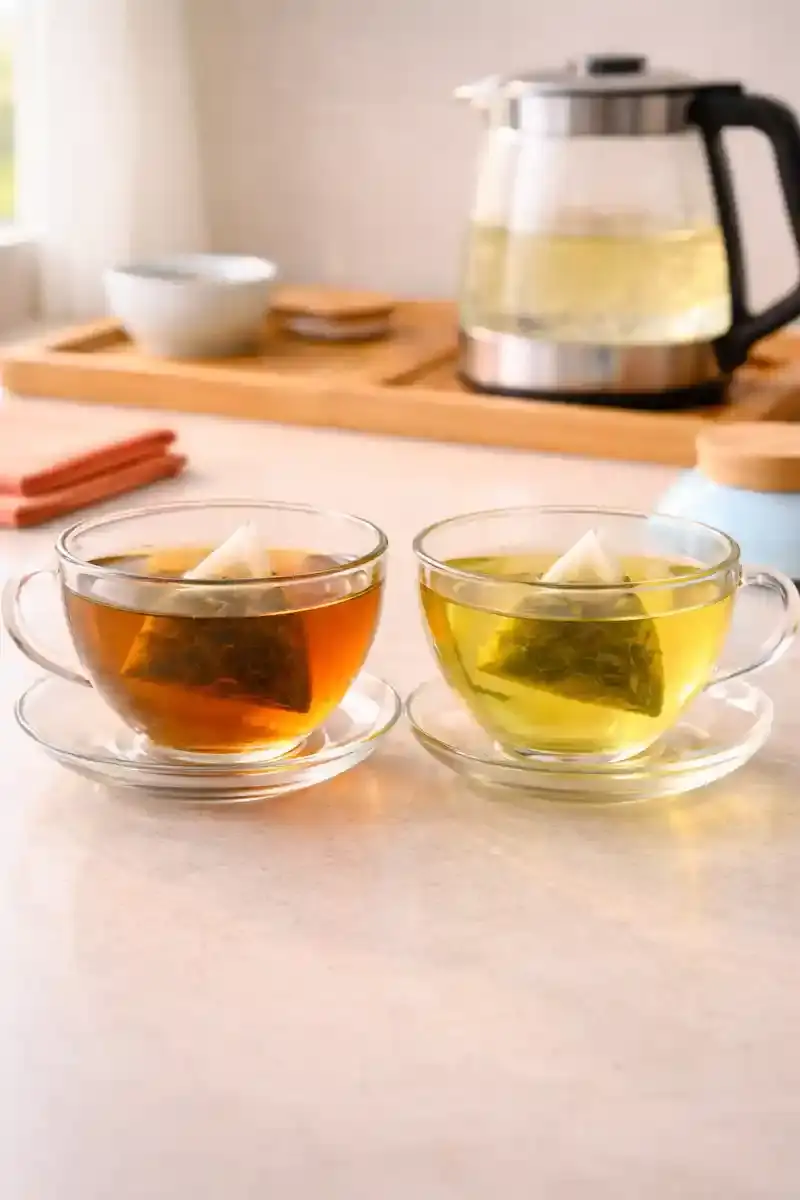
For a deeper understanding of green tea compounds and how they affect flavor, see Harvard’s overview of tea and health, which explains how different compounds influence taste and balance.
The Most Common Causes of Bitterness
- Water that is too hot
Boiling water (212°F / 100°C) burns the tea leaves and pulls out harsh flavors. - Steeping for too long
Leaving the tea in water for too long increases tannin release, which creates a strong, bitter taste. - Using too much tea
Too many leaves or a large tea bag can make the flavor overly intense.
How to Prevent Bitter Green Tea
- Use water around 175°F / 80°C (hot, not boiling)
- Keep steeping time short: 1–3 minutes max
- Remove the tea as soon as it’s ready
- Adjust tea quantity if the flavor feels too strong
Pro Tip
If your green tea still tastes bitter, try slightly lowering the temperature or reducing steeping time by 30 seconds. Small adjustments can make a big difference in flavor.
Ingredients
Main Ingredients (1 cup)
- Filtered water (1 cup / 240 ml)
Using clean, low-mineral water helps preserve the delicate flavor of green tea and prevents a flat or slightly bitter taste. - Green tea (1 tea bag or 1 tsp / 2–3 g loose-leaf)
Loose-leaf tea offers a more aromatic and refined flavor, while tea bags are quicker and more convenient for daily use.
Optional Add-Ins (After Brewing)
- Lemon (slice or a few drops of juice)
Adds brightness and can help balance slight bitterness. - Fresh ginger (1–2 thin slices)
Brings a subtle warmth and depth to the tea. - Mint leaves (3–5 leaves)
Creates a fresher, more refreshing taste-especially good for iced green tea. - Honey (½–1 tsp, optional)
Softens the flavor and adds a light sweetness without overpowering the tea.
Cold Brew Variation (Optional)
- Cold water (1 cup / 240 ml)
- Green tea (1 tea bag or 1 tsp loose-leaf)
Cold brewing extracts flavor more slowly, resulting in a smoother and naturally less bitter cup.
Tools You Need (Optional but Helpful)
You don’t need special equipment to make green tea, but a few simple tools can improve consistency and flavor.
- Kettle (or small pot)
Helps you control water temperature more easily. - Thermometer (optional)
Useful for reaching the ideal 175°F (80°C), but not required. - Tea infuser or strainer
Needed if you’re using loose-leaf tea. - Cup or mug
Any heat-safe cup works well for brewing and serving.
How to Make Green Tea (Step-by-Step)
Follow these simple steps to make smooth, balanced green tea without bitterness. This method works for both loose-leaf tea and tea bags.
Step 1: Heat the Water
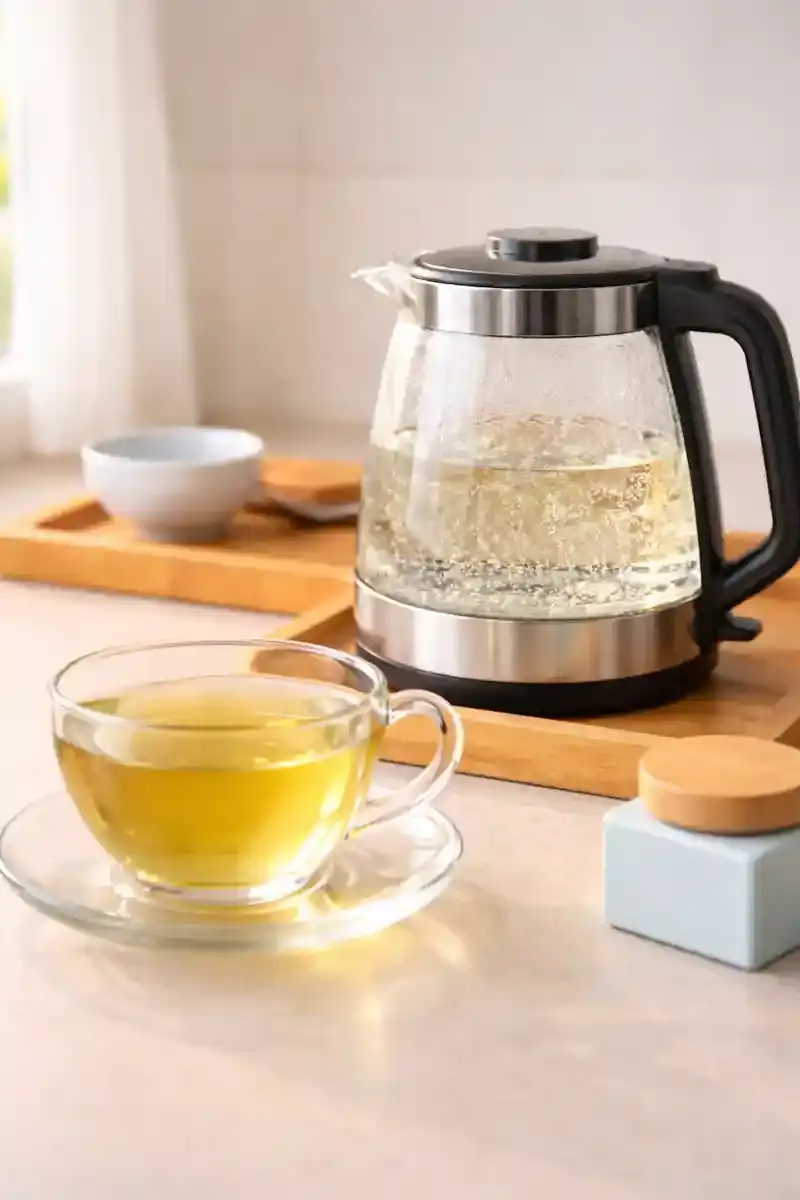
Heat 1 cup (240 ml) of water to about 175°F (80°C), until small bubbles begin to form but before it reaches a full boil.
Step 2: Add the Tea
Place 1 tea bag or 1 teaspoon (2–3 g) of loose-leaf green tea into your cup or infuser.
Loose-leaf tea usually gives a more aromatic result, but tea bags are perfectly fine for everyday use.
Step 3: Pour and Steep
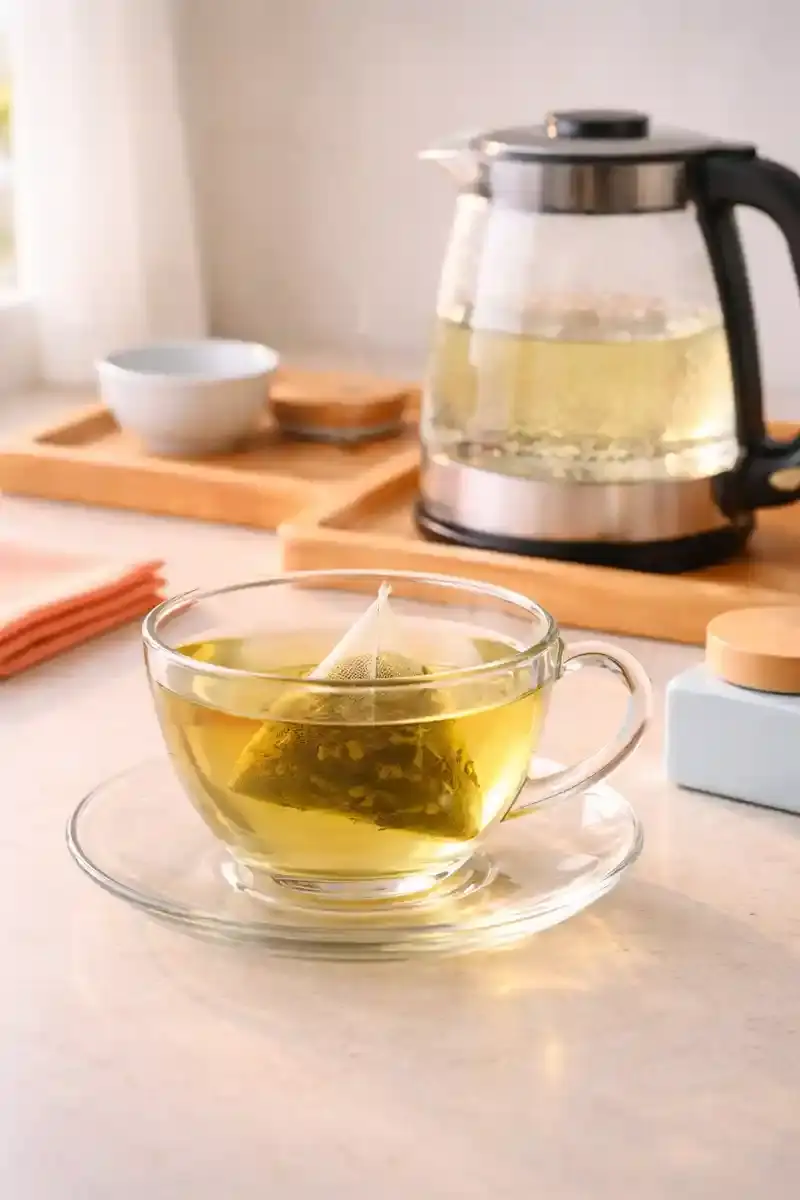
Pour the hot water over the tea and steep briefly: 1½–2 minutes for loose-leaf or 1–3 minutes for a tea bag. Keep the steep short for a light, balanced flavor.
Step 4: Remove the Tea
Remove the tea leaves or tea bag right on time to stop the extraction process.
This is one of the most important steps for keeping the flavor smooth and clean.
Step 5: Serve and Customize
Enjoy your green tea as is, or add optional ingredients like:
- Lemon for brightness
- Mint for freshness
- Ginger for warmth
- Honey for a touch of sweetness
For iced green tea, let it cool slightly, then pour over ice.
Best Water Temperature for Green Tea
The ideal water temperature for green tea is around 175°F (80°C). Using water that is too hot is one of the main reasons why green tea tastes bitter or harsh. This lower temperature helps prevent bitterness and keeps the flavor smooth and balanced.
Why Temperature Matters
Green tea leaves are delicate. When exposed to boiling water, they release too many bitter compounds at once, which can overpower the natural smooth and slightly sweet flavor.
Temperature Guide
Here’s a quick comparison to help you get it right:
| Water Temperature | Result |
|---|---|
| 212°F / 100°C (boiling) | Bitter and harsh flavor |
| 175°F / 80°C (ideal) | Smooth and balanced taste |
| Below 160°F / 70°C | Weak and flat taste |
How to Get the Right Temperature
- Heat water until you see small bubbles forming
- Let boiling water cool for 1–2 minutes
- Look for light steam, not a rolling boil
How Long to Steep Green Tea
Green tea should be steeped for a short time to avoid bitterness. In most cases, the ideal steeping time is between 1 and 3 minutes, depending on the type of tea you use.
Why Steeping Time Matters
Steeping green tea for too long releases excess tannins, which can make the flavor strong, dry, and bitter. A shorter steep helps preserve its smooth, light, and slightly sweet taste.
Steeping Time Guide
| Tea Type | Steeping Time | Result |
|---|---|---|
| Loose-leaf green tea | 1½ to 2 minutes | Smooth, aromatic flavor |
| Tea bag | 1 to 3 minutes | Balanced, easy-drinking taste |
| Over 3 minutes | Too long | Bitter, strong taste |
How to Adjust Steeping Time
- For a lighter taste, steep for less time
- For a stronger flavor, increase slightly (but stay under 3 minutes)
- If your tea tastes bitter, reduce steeping time by 30 seconds
Common Mistakes to Avoid
Even small mistakes can make green tea taste bitter, weak, or unbalanced. Avoid these common issues to get a smoother and more enjoyable cup every time.
Most Common Green Tea Mistakes
| Mistake | What Happens | How to Fix It |
|---|---|---|
| Using boiling water | Bitter, harsh flavor | Use water around 175°F / 80°C |
| Steeping too long | Strong, astringent taste | Limit steeping to 1–3 minutes |
| Using too much tea | Overly intense flavor | Stick to 1 tsp or 1 tea bag per cup |
| Poor water quality | Flat or dull taste | Use filtered or clean water |
| Leaving tea in the cup | Continued extraction → bitterness | Remove tea right on time |
Quick Tip
If your green tea doesn’t taste right, adjust temperature and steeping time first. These two factors have the biggest impact on flavor.
Tips for Better Green Tea Flavor
Small adjustments can significantly improve the taste of your green tea. These simple tips help you get a smoother, fresher, and more enjoyable cup every time.
Simple Ways to Improve Flavor
- Use fresh water each time
Reboiled water can taste flat and affect the final flavor. - Choose good quality tea
Higher-quality green tea tends to be smoother and less bitter. - Pre-warm your cup (optional)
Rinsing your cup with hot water helps maintain a stable brewing temperature. - Don’t squeeze the tea bag
Pressing the tea releases extra bitterness into your cup. - Taste and adjust
Slightly adjust steeping time or temperature to match your preference.
Flavor Boost Ideas
If you want to enhance your tea without overpowering it, try:
- Lemon → adds brightness and balance
- Mint → creates a refreshing taste
- Ginger → adds warmth and depth
- Honey → softens bitterness with light sweetness
Pro Tip
For a smoother and naturally less bitter result, try the cold brew method. Steeping green tea in cold water for a longer time extracts flavor more gently.
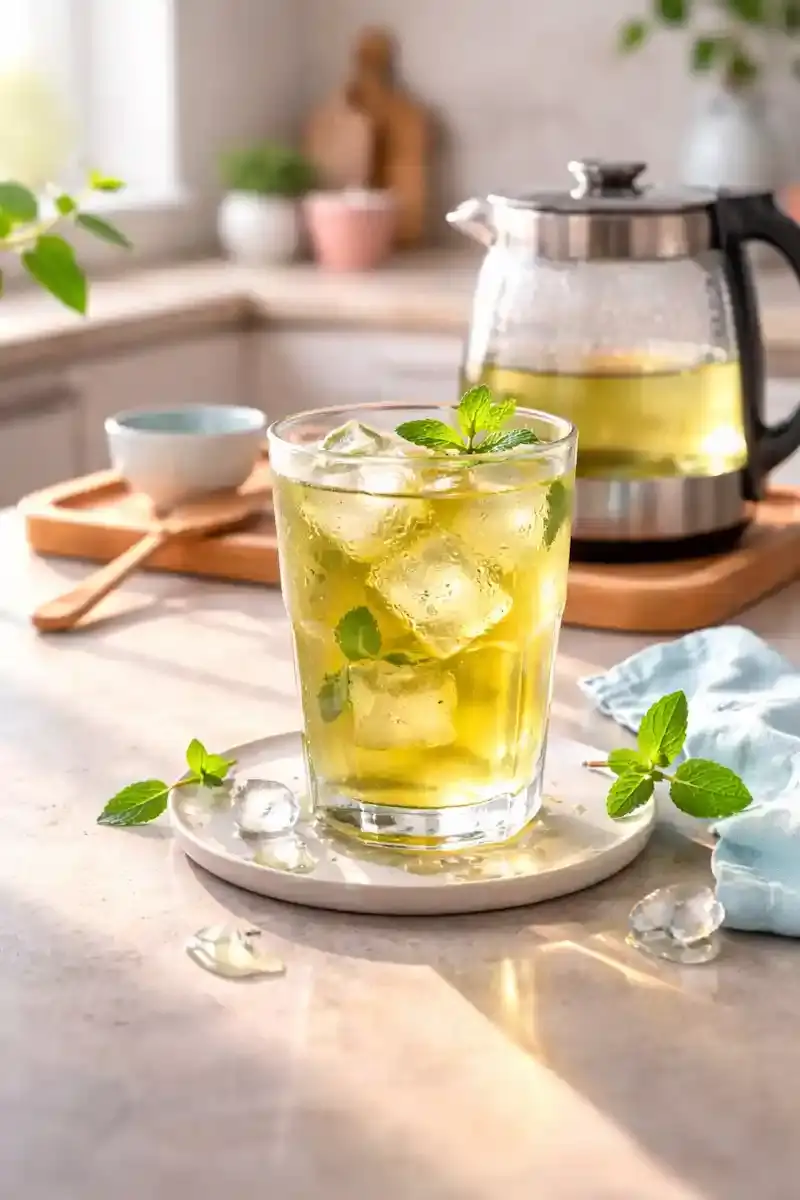
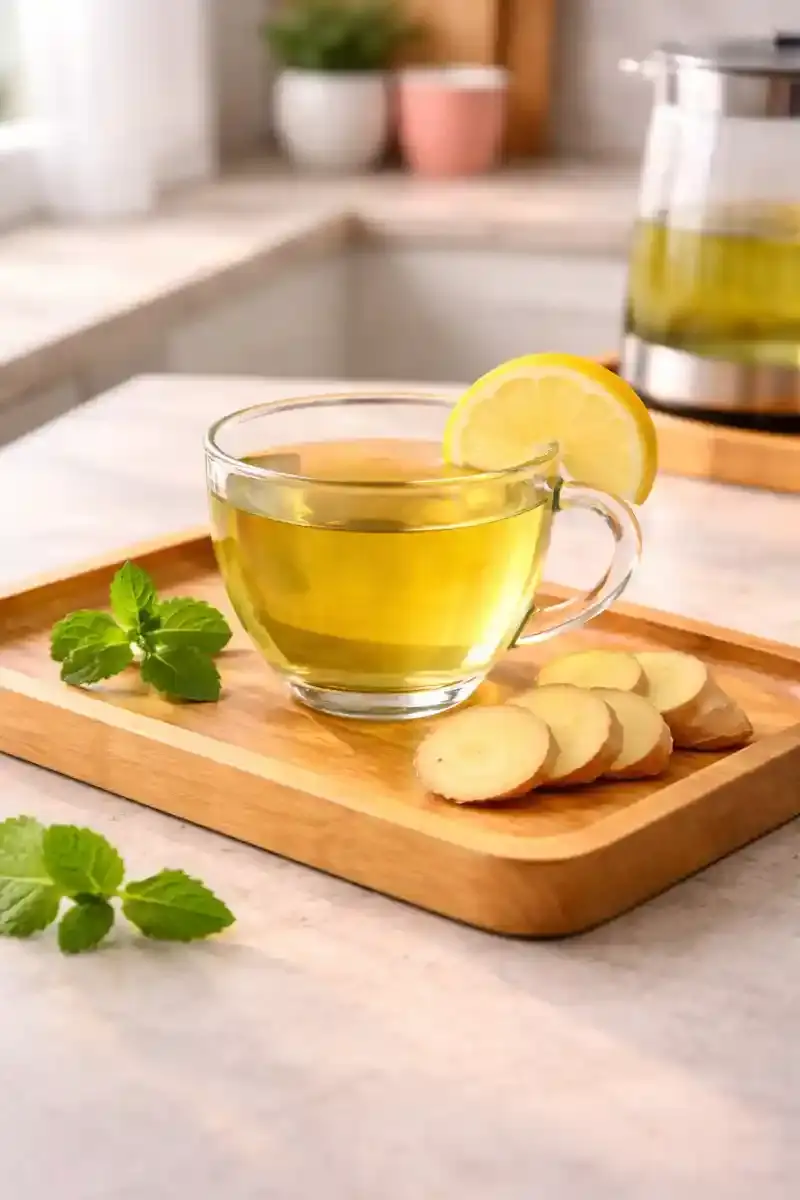
Green Tea Variations (Iced, Lemon, Mint, Ginger, Honey)
Once you master the basic green tea recipe, you can easily adjust it to match your taste. These simple variations help you create different flavors without changing the core method.
| Variation | How to Use | Flavor Effect |
|---|---|---|
| Iced green tea | Cool the tea, then pour over ice | Refreshing and light |
| Cold brew | Steep in cold water for 4–8 hours | Smoother, less bitter |
| Lemon | Add a slice or a few drops after brewing | Bright and slightly tangy |
| Mint | Add fresh leaves after brewing | Fresh and cooling |
| Ginger | Add 1–2 thin slices | Warm and slightly spicy |
| Honey | Add ½–1 tsp after brewing | Mild sweetness, smoother taste |
How to Choose the Right Variation
- For a refreshing drink → iced or mint
- For a smoother taste → cold brew
- For balanced flavor → lemon or honey
- For extra depth → ginger
When to Drink Green Tea
Green tea can be enjoyed at different times of the day, depending on your routine and sensitivity to caffeine.
Best Times to Drink Green Tea
- In the morning
A lighter alternative to coffee, with moderate caffeine and a smoother effect. - Between meals
Helps you stay refreshed without interfering too much with digestion. - Early afternoon
A good option for a gentle energy boost without the intensity of coffee.
When to Be Careful
| Situation | What to Watch | Recommendation |
|---|---|---|
| Late evening | Caffeine may affect sleep | Drink earlier in the day |
| Empty stomach | May feel slightly strong or uncomfortable | Drink after light food if sensitive |
Quick Tip
If you’re sensitive to caffeine, choose earlier times in the day or reduce steeping time for a lighter brew.
Storage and Make-Ahead Tips
Green tea is best enjoyed fresh, but you can store it for later if needed. Proper storage helps preserve its flavor and prevents it from becoming dull or bitter.
| Storage Method | How Long | Tips |
|---|---|---|
| Room temperature | Up to 2 hours | Keep covered to protect flavor |
| Refrigerator | Up to 24 hours | Store in a sealed container to avoid odor absorption |
Can You Reheat Green Tea?
- Yes, but gently
- Avoid boiling or overheating
- Warm it slightly to preserve flavor
Reheating too much can make green tea taste flat or slightly bitter.
Make-Ahead Tip
If you plan to drink green tea later, the best option is to prepare iced or cold brew green tea. These methods stay smoother and more stable over time compared to reheated tea.
Safety Notes
Green tea is generally safe for most people when consumed in moderate amounts. However, a few simple precautions can help you enjoy it comfortably.
Things to Keep in Mind
- Caffeine content
Green tea contains caffeine, which may affect sleep or cause sensitivity in some people. Consider limiting intake later in the day.
For general guidance on caffeine intake and sensitivity, see FDA guidance on daily caffeine intake, especially if you are sensitive to caffeine or drink green tea later in the day.
- Sensitivity on an empty stomach
Some people may feel mild discomfort when drinking green tea without food. If needed, have it after a light meal. - Avoid very strong brews
Overly concentrated green tea (too much tea or long steeping) can taste harsh and may be harder to tolerate.
General Guidance
- Stick to moderate daily intake
- Adjust strength based on your preference and tolerance
- Pay attention to how your body responds
For more detailed information about green tea safety and potential interactions, see NIH overview of green tea, safety, and supplement considerations, particularly if you consume it regularly or use supplements.
Green Tea Recipe (Hot & Iced, No Bitter Taste)
Learn how to make green tea without bitterness using the right water temperature and steeping time. This easy recipe works for both hot and iced green tea, with simple tips to improve flavor.
- Prep Time: 2 minutes
- Cook Time: 2 minutes
- Total Time: 4 minutes
- Yield: 1 cup 1x
- Category: Beverage
- Method: Steeped
- Cuisine: Japanese-inspired
- Diet: Low Calorie
Ingredients
Base:
- 1 cup (240 ml) filtered water
- 1 tsp loose-leaf green tea or 1 tea bag
Optional:
- Lemon (slice or juice)
- Mint leaves
- Ginger slices
- Honey (optional)
Cold Brew Option:
- 1 cup cold water
- 1 tsp loose-leaf green tea or 1 tea bag
Instructions
- Heat water to about 175°F (80°C) — hot with light steam, not boiling
- Add tea (bag or loose-leaf) to a cup or infuser
- Pour hot water over the tea
- Steep briefly: loose-leaf 1½–2 minutes, tea bag 1–3 minutes
- Remove the tea immediately to prevent bitterness
- Serve hot or let cool and pour over ice
Notes
Tips for Best Results:
- Use water around 175°F (80°C) to avoid bitterness
- Keep steeping time short for a smoother flavor
- Use fresh filtered water for the cleanest taste
Flavor Variations:
- Add lemon for brightness
- Add mint for freshness
- Add ginger for warmth
- Add honey for light sweetness
Cold Brew Method:
- Steep tea in cold water for 4–8 hours in the refrigerator for a smoother, less bitter result
Note:
- Unsweetened green tea is low in calories but is not a standalone weight-loss solution
Nutrition
- Serving Size: 1 cup
- Calories: 2 kcal
- Sugar: 0 g
- Sodium: 0 mg
- Fat: 0 g
- Saturated Fat: 0 g
- Unsaturated Fat: 0 g
- Trans Fat: 0 g
- Carbohydrates: 0 g
- Fiber: 0 g
- Protein: 0 g
- Cholesterol: 0 mg
Green Tea Questions Answered
Use slightly cooler water and keep the steeping time short. Removing the tea promptly helps preserve a smooth, clean flavor without harsh notes.
Green tea is best brewed with hot water below boiling, typically around 175°F (80°C), to protect its delicate flavor and avoid bitterness.
A short steeping time-usually under 3 minutes-is ideal. This helps maintain a light, smooth taste without extracting too many bitter compounds.
It’s not recommended. Boiling water can damage the leaves and lead to a strong, bitter taste. Let the water cool slightly before brewing.
Both are good options. Hot green tea highlights delicate flavors, while iced or cold brew versions tend to be smoother and more refreshing.
Green tea is often included in balanced routines because it is low in calories and can replace sugary drinks. However, it is not a standalone solution for weight loss and works best as part of an overall healthy lifestyle.
Related Recipes and Helpful Reads
If you want to build a lighter drink and meal routine around this green tea recipe, these related pages may also be helpful:
- Weight Loss Drinks Guide for more homemade drink ideas in the same cluster
- Banana Bread Latte Recipe if you want another cozy homemade drink option
- Carrot Ribbon Salad Recipe for a fresh, light meal pairing
- Steamed Broccoli as a simple side dish for a balanced plate
- Plastic Wrap Diet: Medical Warning and Proven Health Risks for a safety-focused read on weight-loss misinformation
Conclusion
Making green tea is simple, but the details make a big difference. Using water around 175°F (80°C) and keeping the steeping time short helps you get a smooth, balanced cup without bitterness.
This method works for both hot and iced green tea and is easy to customize with lemon, mint, ginger, or honey. Once you know the basics, small adjustments can help you make green tea exactly the way you like it.

Very good 👍👍👍
Hi Zamani! 😊 Thank you so much for your kind words and the thumbs up 👍 I’m really happy you enjoyed the green tea guide. If you try it hot or iced, let me know which version you like best! 🍵✨