
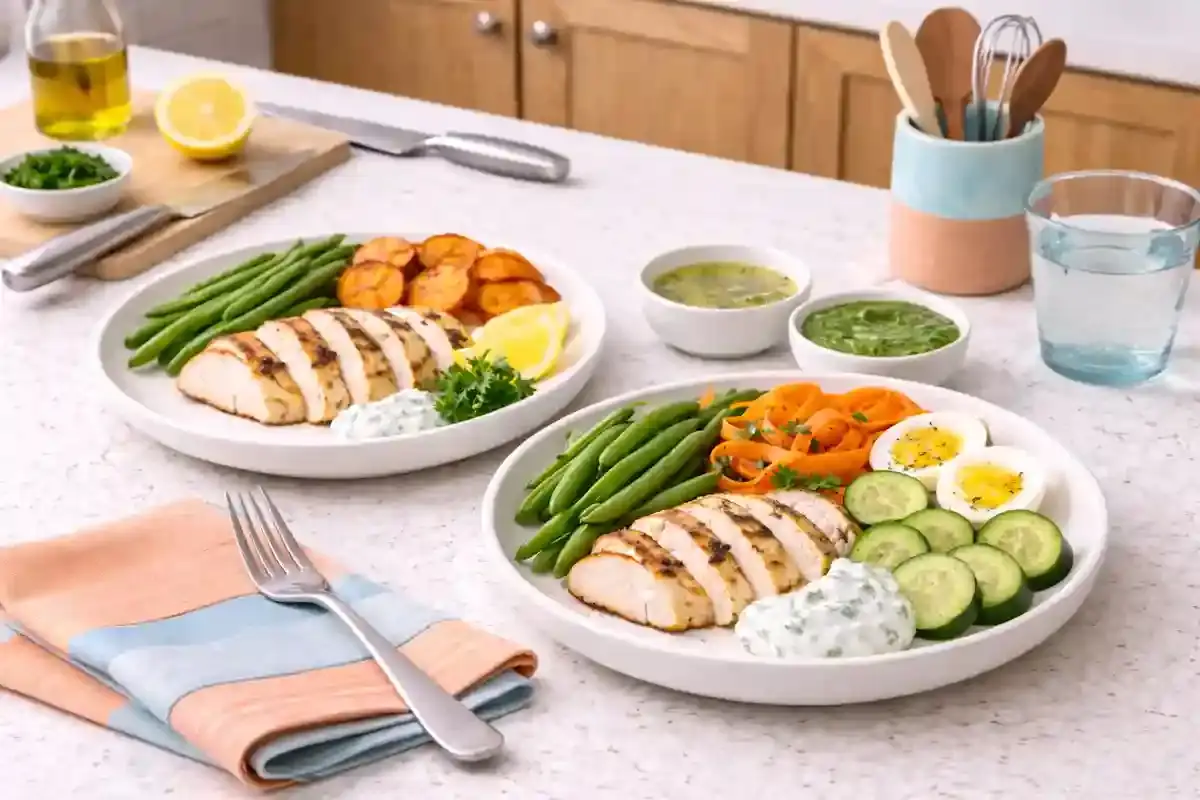
Low calorie recipes are practical meal ideas built around lean proteins, vegetables, legumes, and lighter cooking methods so meals stay satisfying without becoming too heavy. The most useful low calorie meals usually fall in an approachable calorie range, offer enough protein or fiber to feel filling, and include easy options for lunch, dinner, sides, sauces, and meal prep.
Key Takeaways
- Low calorie recipes work best when they combine protein, fiber, and plenty of vegetables for better balance and satisfaction.
- Easy low calorie lunch and dinner ideas are more useful than generic advice, especially when grouped by meal type.
- Meals under about 500 calories can still feel filling when they include enough volume and flavor.
- Smart swaps, lighter sauces, and simple cooking methods make low calorie meals easier to repeat in everyday life.
- This page should help readers discover recipes, understand what makes them lighter, and navigate to related ToLearnRecipes pages.
Introduction
Finding low calorie recipes is usually easier when the goal is not to eat as little as possible, but to choose meals that feel practical, balanced, and enjoyable to repeat. For most home cooks, that means looking for recipe ideas that fit real schedules, use familiar ingredients, and make it simpler to plan lighter lunches, dinners, sides, and sauces without overcomplicating everyday cooking.
This guide is designed as a helpful recipe hub rather than a single recipe page. You’ll find clear guidance on how lighter meals are typically built, which types of dishes tend to work well, and how to explore low calorie meal ideas by category so it is easier to choose what fits your routine.
Update Note (2026): We updated this low calorie recipes guide to improve structure, clarify meal-building advice, refine the lunch and dinner sections, and add more practical guidance on balanced, filling, and easy-to-repeat meal ideas.
What Counts as a Low Calorie Recipe?
A low calorie recipe is usually a meal or dish that keeps calories moderate for its portion size while still feeling balanced and worth eating. In practical terms, many everyday low calorie meals fall around 300 to 500 calories per serving, while lighter sides, salads, or sauces may come in lower.
Many practical low calorie meals fall within a moderate calorie range, but the most useful reference point is still overall eating balance rather than one fixed number for every person or every meal. CDC: Tips for Healthy Eating for a Healthy Weight
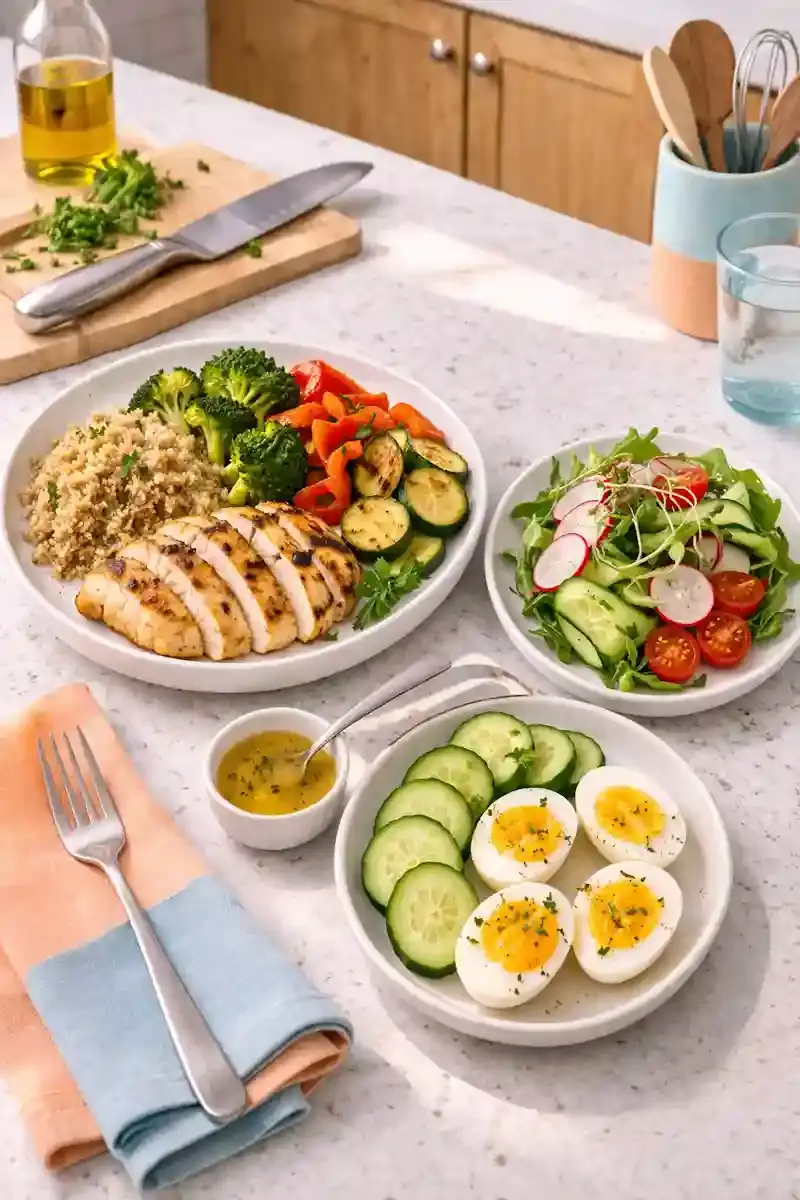
What usually makes a recipe feel usefully low calorie is:
- a moderate calorie range for the type of meal being served
- plenty of vegetables, legumes, or other high-volume ingredients
- enough protein, fiber, or both to make the dish feel more complete
A recipe is not automatically helpful just because it is very low in calories. If it is too small, lacks structure, or feels unsatisfying, it may be harder to repeat as part of an everyday routine.
How to Build a Balanced Low Calorie Meal
A balanced low calorie meal usually works best when protein, vegetables, and a measured portion of a more filling ingredient are used together. Depending on the meal, that more structured element might be grains, potatoes, pasta, or bread, and portion awareness matters more than treating one ingredient as automatically too heavy. Even options like a Bagel Recipe can fit more thoughtfully into a balanced meal when the rest of the plate stays structured and practical.
A balanced low calorie meal usually works best when protein, vegetables, and a measured portion of a more filling ingredient are used together in a way that still feels practical and complete. Dietary Guidelines for Americans
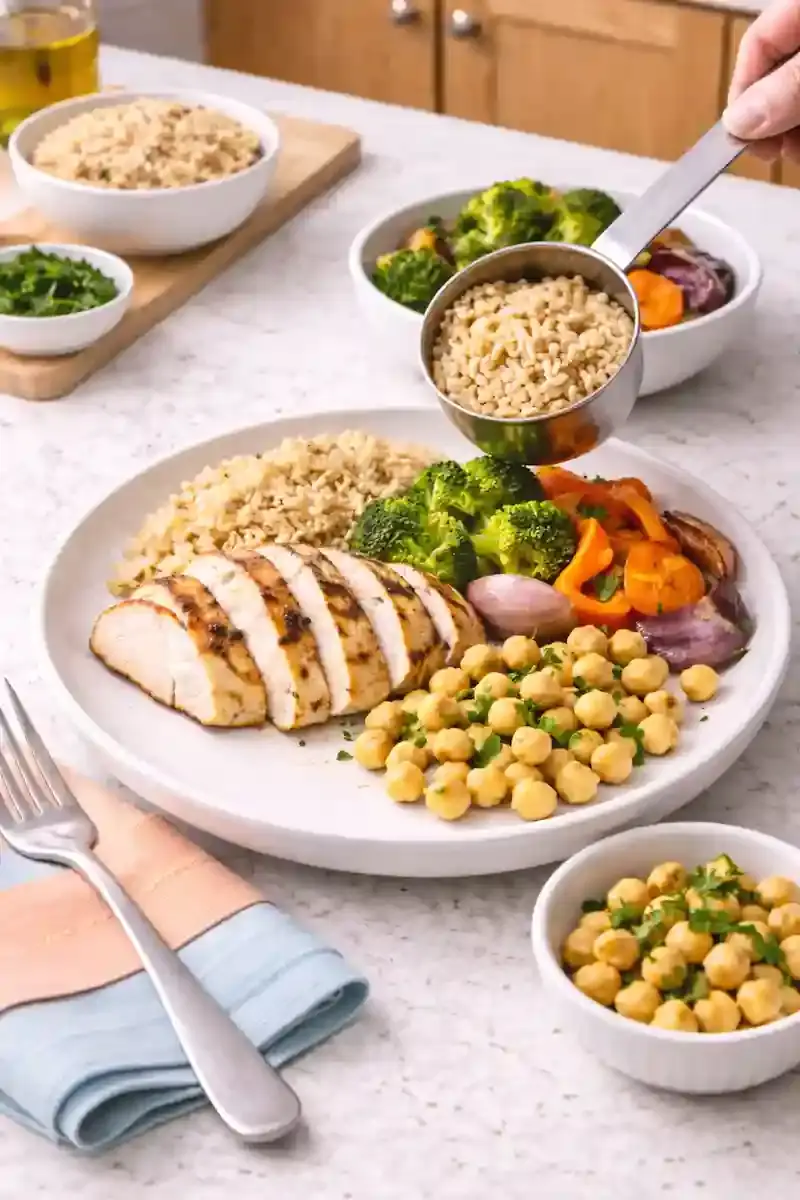
A simple meal-building framework is:
- protein to give the meal structure and staying power
- vegetables or legumes to add volume, texture, and fiber
- a measured starch or flavorful finish such as rice, potatoes, pasta, herbs, or a light sauce when the meal needs more balance
Cela garde l’idée, sans allonger inutilement la section.
Which Low Calorie Meals Feel Filling?
The low calorie meals that feel most filling are usually the ones that combine protein, fiber, and enough volume to make the plate feel complete. Instead of relying on very small portions, these meals use ingredients such as chicken, fish, eggs, beans, lentils, cottage cheese, and vegetables to create more staying power.
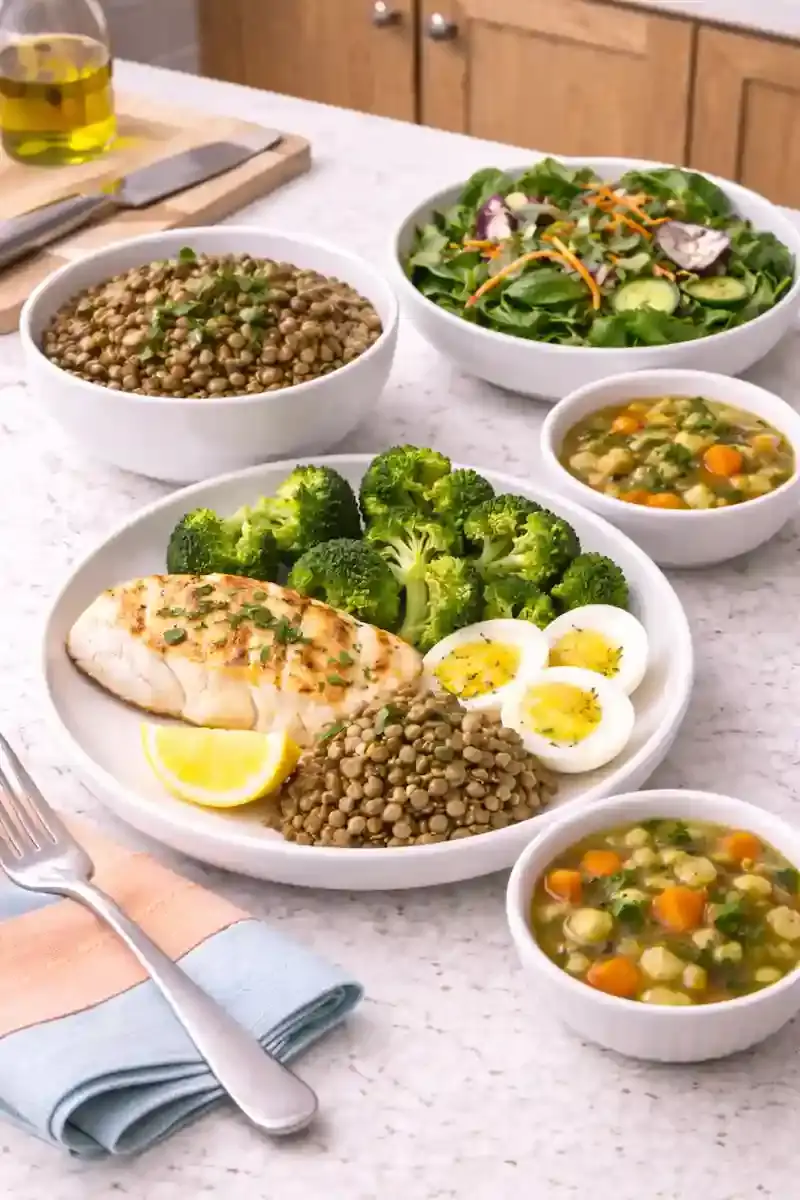
Meals often feel more satisfying when they include:
- lean protein to make the dish feel more substantial
- fiber-rich ingredients such as vegetables, beans, or legumes
- high-volume foods that add bulk without making the meal overly heavy
This is why simple soups, grain bowls, hearty salads, vegetable-packed skillets, and protein-based lunch plates often work better than meals that are light but too minimal. A filling low calorie meal should still feel like a real meal, not just a small portion with the word “healthy” attached to it.
Best Low Calorie Recipe Ideas by Meal Type
One of the easiest ways to explore low calorie recipes is to group them by the kind of meal you actually need. That makes the page more useful for planning, not just browsing, and helps separate quick lunches, lighter dinners, sides, and flavor boosters in a more practical way.
Popular low calorie recipe categories often include:
- breakfast ideas built around eggs, yogurt, fruit, or lighter make-ahead options
- lunch ideas such as salads, wraps, bowls, soups, or simple cold plates
- dinner ideas with lean proteins, roasted vegetables, skillet meals, or lighter pasta and grain-based dishes
- sides and vegetable-based options that add volume and balance to a main meal
- sauces and dressings that keep meals flavorful without making them too heavy
This kind of structure is especially useful for readers who want flexible meal ideas rather than one fixed recipe. It also makes it easier to mix and match lighter mains, vegetable sides, and simple sauces into meals that feel more complete across the week.
Easy Low Calorie Lunch Ideas
Easy low calorie lunch ideas usually work best when they are quick to assemble, easy to portion, and structured enough to carry you through the afternoon. In many cases, that means building lunch around a protein, crisp vegetables, and a simple dressing or light sauce rather than relying on something that feels random or too small.
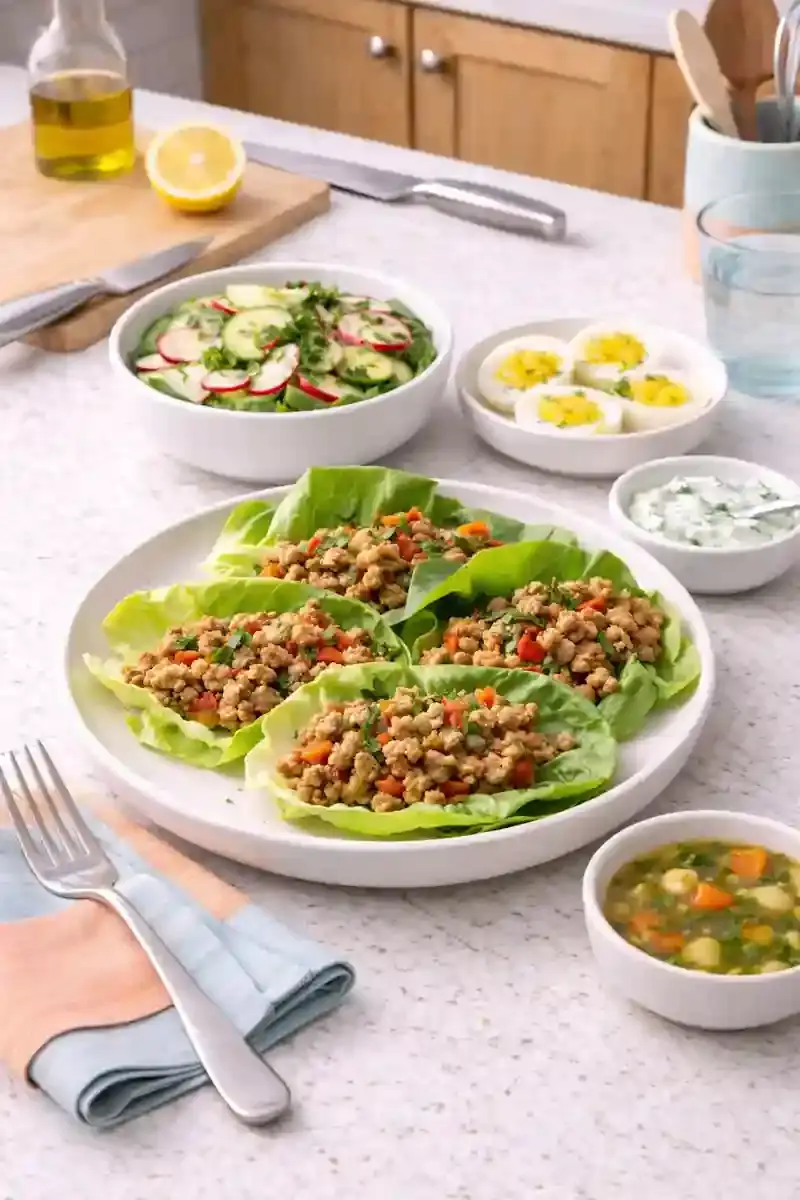
Useful low calorie lunch options often include:
- hearty salads with chicken, tuna, eggs, beans, or cottage cheese
- lettuce wraps or light grain bowls with vegetables and a lean protein
- cold plates with sliced vegetables, dip, boiled eggs, or simple proteins
- soups and vegetable-forward lunches paired with something more structured when needed
For readers who want lighter lunch options with freshness and texture, a recipe like Carrot Ribbon Salad Recipe can fit well as part of a balanced midday meal, especially when paired with protein or another simple side. For a lighter plated option that still feels thoughtful, Hamachi Crudo can also work in the broader category of light meal ideas.
Easy Low Calorie Dinner Ideas
Easy low calorie dinner ideas tend to work best when they are simple enough for a weeknight but still feel like a complete meal. In practice, that often means pairing a lean protein with vegetables and adding just enough starch, grains, or sauce to make dinner feel balanced rather than sparse.
Helpful low calorie dinner options often include:
- sheet pan meals with chicken, fish, or turkey and roasted vegetables
- skillet dinners built around vegetables, beans, or lean proteins
- lighter pasta or squash-based meals that keep portions more balanced
- simple plated meals with a protein, a vegetable side, and a flavorful finishing element
For readers looking for practical dinner building blocks, Spaghetti Squash Recipe fits naturally into lighter dinner planning because it works well as a vegetable-based base or side. A simple vegetable option like Steamed Broccoli can also help add volume and balance to low calorie dinners without making the plate feel too heavy.
Light Sides, Salads, and Vegetable-Based Options
Light sides, salads, and vegetable-based dishes can make low calorie meals feel more complete without adding too much heaviness. They are especially useful when a main dish already has enough structure and just needs extra volume, freshness, or contrast.
Useful options in this category often include:
- simple vegetable sides such as roasted, steamed, or sautéed vegetables
- fresh salads with crisp ingredients and a light dressing
- vegetable-based dishes that can work as a side or part of a larger plate
For example, Carrot Ribbon Salad Recipe fits well when you want something fresh and easy to pair with a protein-based lunch or dinner. Steamed Broccoli also works naturally as a practical side for lighter meals because it adds volume and balance without making the plate feel too rich.
Low Calorie Sauces and Dressings That Add Flavor
Low calorie meals often become easier to repeat when they still have enough flavor to feel complete. A lighter sauce or dressing can help tie together vegetables, proteins, grain bowls, and salads without making the meal feel overly rich or heavy.
In practical terms, this usually means choosing dressings and sauces with a fresher, more measured profile, such as yogurt-based blends, herb-forward sauces, vinaigrettes, mustard-based dressings, or citrus-driven options. These types of additions can bring brightness and contrast while keeping portions easier to manage.
For readers who want more guidance in this area, the Homemade Sauces Guide is a natural supporting resource for building lighter meals with more variety. A recipe like Green Goddess Dressing Recipe also fits well here as a flavorful option that can help salads, vegetables, or simple protein-based meals feel more put together.
Tips to Keep Low Calorie Meals Satisfying
Low calorie meals are usually easier to enjoy when they are built to feel complete, not just light. In practice, that often comes down to using enough protein, enough volume, and enough flavor so the meal still feels structured and worth repeating.
A few simple habits can make a big difference:
- include a protein source so the meal feels more substantial
- use vegetables, beans, or other high-volume ingredients to add bulk and texture
- keep some flavor contrast with herbs, citrus, spices, or a measured sauce
- avoid making every meal too small, plain, or overly minimal
Drinks can also support a lighter meal routine when they stay simple and refreshing. A page like Cucumber Mint Water for Weight Loss can fit naturally as a light pairing idea, and the Weight Loss Drinks Guide works as a broader support resource for readers exploring the site’s lighter drink content alongside meal planning.
Common Mistakes When Choosing Low Calorie Recipes
One common mistake is choosing meals that are low in calories but too limited in substance. When a recipe lacks enough protein, fiber, volume, or flavor, it may look light on paper but feel incomplete in practice.
Another issue is relying too heavily on labels instead of the full structure of the meal. A dish can sound light while still being unbalanced, overly small, or built around ingredients that do not keep the meal satisfying for long. It is also easy to overlook sauces, dressings, cooking fats, and add-ons, which can change the overall balance more than expected.
A more useful approach is to look for meals that feel organized and realistic: enough structure for lunch or dinner, enough flavor to stay enjoyable, and enough flexibility to fit into everyday cooking without feeling overly restrictive.
FAQ
Simple bowls, salads, soups, sheet pan dinners, and protein-based plates are often the easiest place to start because they are practical, flexible, and easy to portion.
Yes. Meals often feel more filling when they include protein, vegetables, legumes, or other ingredients that add volume and structure.
Not always. The right range depends on the meal, portion size, and how the rest of the plate is built.
Common ingredients include lean proteins, vegetables, beans, eggs, yogurt-based sauces, herbs, and lighter cooking staples.
Herbs, spices, citrus, vinaigrettes, yogurt-based dressings, and measured sauces can help lighter meals feel more complete.
Final Thoughts
Low calorie recipes are most useful when they help you build meals that feel practical, balanced, and easy to repeat. Instead of focusing only on keeping calories low, it often makes more sense to choose meals with enough structure, flavor, and variety to support everyday lunch and dinner planning.
For more simple meal inspiration, see MedlinePlus: Healthy Recipes.

