
Quick Summary
Palomino Sauce at a Glance| Prep Time: | 5 minutes |
| Cook Time: | 20 minutes |
| Total Time: | 25 minutes |
| Yield: | 4 cups (enough for 1 lb of pasta) |
| Texture: | Smooth, creamy, and light |
| Best Pasta Pairing: | Penne, rigatoni, or gnocchi |
| Storage: | Up to 4 days refrigerated or 2 months frozen |
Key Takeaways
- Palomino sauce blends marinara, cream, and Parmesan into a rosy, balanced sauce.
- Start with quality marinara or crushed tomatoes, then add cream and cheese to build richness.
- Simmer gently and stir often to keep the sauce smooth and avoid curdling.
- Works great with short pasta shapes or gnocchi, and it’s equally tasty alongside chicken or seafood.
- Reheats well – add a splash of broth or cream if it thickens after cooling.
Quick Palomino Sauce Definition
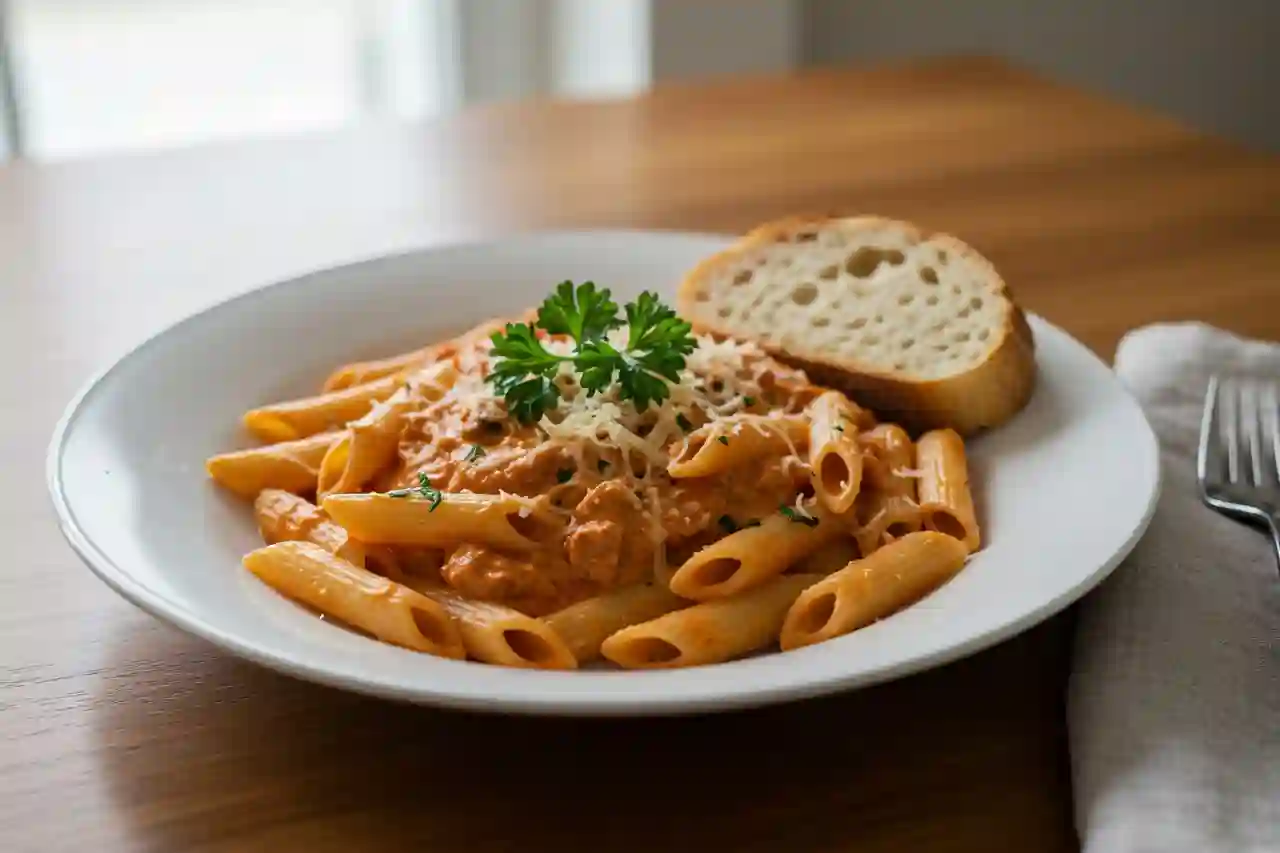
Palomino sauce is a creamy pink tomato sauce made by simmering marinara with broth, then stirring in heavy cream and Parmesan. It tastes milder and richer than marinara but lighter than Alfredo, making it perfect for pasta, gnocchi, or baked dishes.
- Made from: Marinara, cream, Parmesan, and broth
- Tastes: Creamy, mild, and balanced
- Best served with: Penne, rigatoni, or gnocchi
What Is Palomino Sauce?
Palomino sauce is a creamy tomato sauce that perfectly blends the tang of marinara with the smoothness of dairy. It starts with a base of tomatoes, onions, and garlic that simmer together until fragrant. As a result, the sauce develops a deep, comforting flavor that feels both rich and balanced.
In addition, a touch of heavy cream and Parmesan transforms the bright red marinara into a soft, blush-colored sauce. Moreover, the cheese adds a subtle nuttiness that enhances every spoonful. When combined properly, these ingredients create a smooth, velvety texture that clings beautifully to pasta. For example, rigatoni and penne hold the sauce perfectly, while gnocchi absorb its creamy depth.
While Palomino sauce looks elegant, it’s surprisingly simple to make at home. Therefore, even beginner cooks can create a restaurant-quality meal in just a few steps. Because it’s lighter than Alfredo yet richer than marinara, this sauce fits any occasion, from cozy family dinners to more festive gatherings.
Next, consider finishing your dish with extra Parmesan or fresh basil to brighten the flavor. Meanwhile, you can adjust the consistency by adding a little broth if it thickens too much. Finally, remember that gentle simmering helps the sauce stay smooth and prevents it from separating. As a result, every bite delivers the same luxurious texture and balanced flavor that make Palomino sauce so beloved.
Palomino Sauce combines marinara and cream to create a silky, pink-hued sauce that’s both comforting and simple to prepare. In less than 30 minutes, you can make a restaurant-quality pasta sauce right in your own kitchen. It’s a creamy tomato favorite that works perfectly for quick weeknight dinners or elegant occasions alike.
Palomino vs Vodka Sauce
At first glance, Palomino sauce and vodka sauce may look almost identical. However, they differ in both flavor and ingredients. Palomino sauce is a gentle blend of marinara and cream, while vodka sauce includes a small amount of alcohol to deepen and sharpen the taste. As a result, vodka sauce has a slightly tangier finish, whereas Palomino sauce tastes smoother and milder.
In addition, vodka sauce often uses crushed tomatoes or tomato paste for a thicker consistency. Meanwhile, Palomino sauce tends to remain silkier because it relies more on cream and Parmesan for texture. Both sauces share the same rosy color, yet their personalities are different: Palomino is comforting and subtle, while vodka sauce is bold and rich.
Moreover, you can use either sauce for pasta, chicken, or seafood. However, if you prefer a creamier and less acidic option, Palomino sauce will be your best choice. On the other hand, vodka sauce works beautifully when you want a little extra depth and tang in your dish. Finally, both sauces freeze well, making them perfect for meal prep.
Comparison Table – Palomino vs Vodka Sauce
| Ingredient | Best Substitution | Result | Notes / Dietary Tip |
|---|---|---|---|
| Heavy cream | Half-and-half or full-fat coconut milk | Lighter creaminess with slightly less richness | For a dairy-free option, coconut milk keeps the sauce silky and vegan-friendly |
| Parmesan cheese | Nutritional yeast or vegan Parmesan | Similar umami depth without dairy | Choose fortified nutritional yeast for added B12 vitamins |
| Vegetable broth | Chicken broth or mushroom broth | Adds savory depth and boosts flavor balance | Use low-sodium broth to control salt levels |
| Marinara sauce | Crushed tomatoes + ½ tsp Italian seasoning | Slightly chunkier sauce with fresh tomato flavor | Perfect if you prefer more control over salt and herbs |
| Olive oil | Avocado oil or butter | Adds richness and smooth mouthfeel | Butter enhances flavor, while avocado oil keeps it dairy-free |
Ingredients and Best Substitutions
The beauty of Palomino sauce lies in its simplicity. Each ingredient plays an essential role in creating its creamy pink balance. While the list is short, every element adds depth and warmth. As a result, this sauce delivers comfort in every spoonful. Therefore, choose fresh, high-quality ingredients whenever possible to elevate both flavor and texture. In addition, using the right proportions ensures a silky, restaurant-style finish that feels both rich and light.
Core Ingredients
| Ingredient | Purpose |
|---|---|
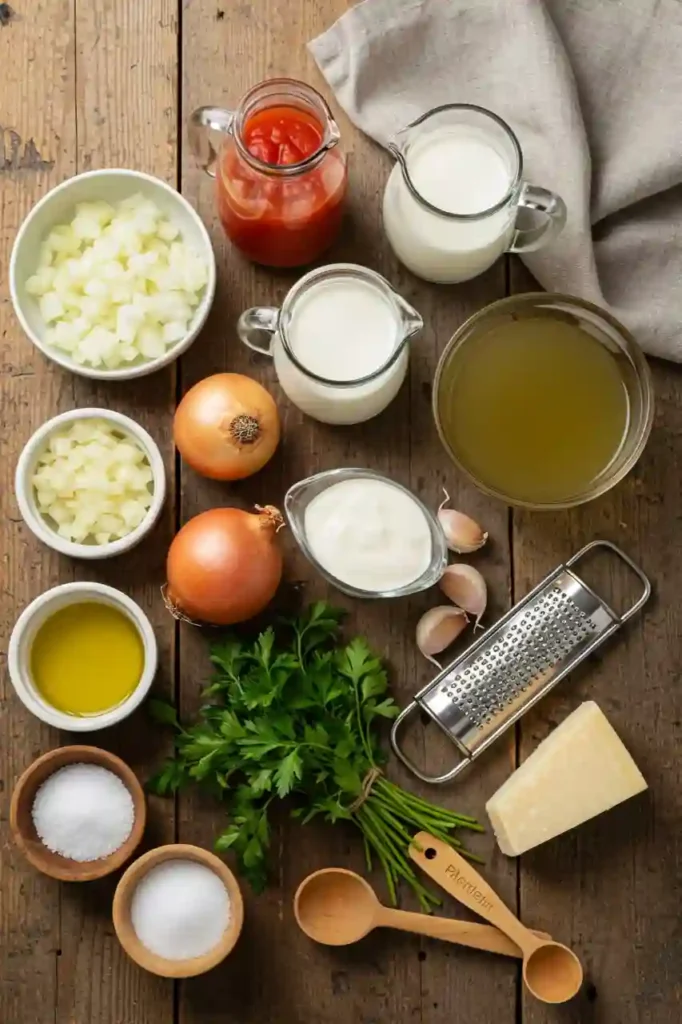
| 2 tablespoons olive oil | Adds richness and helps the onions soften evenly. In addition, it enhances the sauce’s smooth base. |
| 1 medium onion, finely diced | Creates a flavorful base that sweetens as it cooks, while building gentle complexity. |
| 3 garlic cloves, minced | Adds a fragrant layer that enhances the tomato flavor and balances richness. |
| 500g (18 oz) jar marinara sauce | Gives the sauce its bright tomato backbone; moreover, it provides the ideal level of acidity. |
| 1 teaspoon sugar | Balances acidity and rounds out the flavor. As a result, the sauce tastes mellow and smooth. |
| 1 cup heavy cream | Transforms the sauce into its signature creamy texture; in addition, it softens the tomato’s sharpness. |
| ¾ cup vegetable broth | Thins the sauce slightly while deepening its savory notes. Meanwhile, it prevents the texture from becoming too dense. |
| ½ cup freshly grated Parmesan cheese | Adds richness and umami; moreover, it helps thicken the sauce naturally. |
| Salt, to taste | Brings all the flavors together. Finally, adjust it gradually for the perfect balance. |
Ingredient Tips and Smart Swaps
When cooking Palomino sauce, balance is key. The sauce should taste creamy but not heavy, tangy but not sharp. As a result, smart ingredient swaps can help you tailor it to your taste and diet. In addition, these changes can make the recipe lighter, dairy-free, or vegetarian without losing its signature texture. For example, replace heavy cream with half-and-half for a softer, less dense consistency. Meanwhile, coconut milk works beautifully for a vegan version and adds a hint of natural sweetness. Moreover, nutritional yeast can stand in for Parmesan cheese if you prefer a dairy-free option, while still giving the same savory depth. On the other hand, if you like extra richness, add a little butter at the end for a luxurious finish.
How to Make Palomino Sauce (Step-by-Step)
Creating Palomino sauce is all about gentle heat and patience. The goal is to blend the tomato and cream until the texture becomes smooth and balanced. As a result, the sauce turns into a velvety, restaurant-style mix that’s both rich and light.
- Warm the Olive Oil:
Drizzle olive oil into a deep pan and place it over medium heat. As it warms, prepare your diced onion so it’s ready to use when the oil looks glossy and hot enough to sizzle.
- Sauté the Onion:
Add the onion and stir occasionally for about five minutes. It should soften and turn slightly golden, releasing a sweet aroma. This slow cooking forms the base of the sauce’s flavor.
- Add the Garlic:
Next, stir in minced garlic and let it cook briefly, just until its scent becomes noticeable. Keep the temperature moderate; otherwise, the garlic may brown and add bitterness.
- Add the Tomato Base:
Pour in the marinara sauce along with vegetable broth and a touch of sugar. Mix well to combine. The broth adds depth, while the sugar smooths the tomato’s acidity. Let it bubble softly.
- Add the Cream:
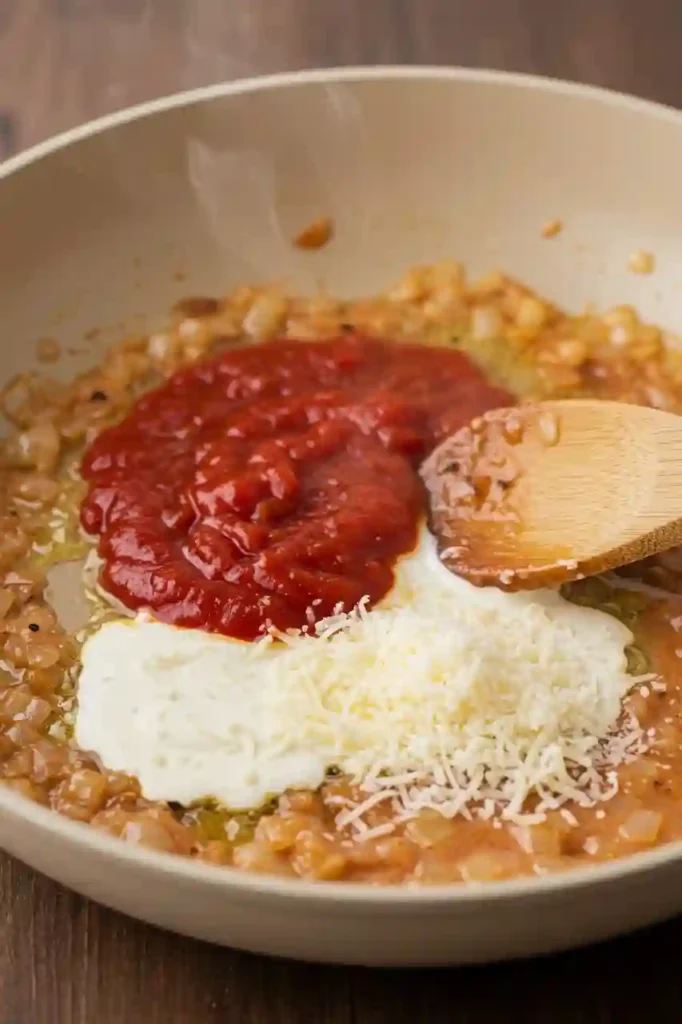
Lower the heat and stir in the cream little by little. Soon the sauce turns light pink and glossy. Don’t let it boil-steady warmth keeps it velvety and even.
- Simmer and Finish:
Let the sauce gently simmer for around fifteen minutes, stirring every few minutes. After that, take it off the heat and blend in grated Parmesan. Taste, adjust seasoning, and serve immediately over your favorite pasta or gnocchi.
Pro Tips for the Perfect Palomino Sauce
Warm the cream first. Slightly heat the cream before adding it to prevent curdling and help it blend smoothly into the tomato base.
Simmer gently. Keep the sauce over medium-low heat to build depth of flavor and achieve a silky texture.
Adjust the texture. If the sauce feels too thick, add a splash of broth or milk. To thicken, let it simmer a few extra minutes uncovered.
Add flavor boosters. A pinch of red pepper flakes or smoked paprika brings subtle warmth, use lightly for balance.
Season at the end. Taste the sauce before serving and adjust salt or Parmesan to fine-tune richness and flavor.
Store properly. Cool completely before refrigerating or freezing to preserve the creamy consistency and prevent separation.
Reheat gently. When warming leftovers, use low heat and stir often for the best texture.
Troubleshooting: Fixing Common Palomino Sauce Issues
Even the best cook can face small hiccups when making Palomino sauce. The good news is that every problem has an easy fix. Use this guide to correct texture, flavor, or consistency issues quickly while keeping your sauce silky and balanced.
| Problem | Possible Cause | Solution |
|---|---|---|
| Sauce looks curdled or grainy | The cream was added when the sauce was too hot or boiling | Lower the heat before adding cream and stir constantly. Next time, warm the cream slightly before mixing. |
| Sauce turned too thick | Too much simmering or too little broth | Add a small splash of broth or milk and whisk gently. As a result, the sauce will return to a creamy consistency. |
| Sauce is too thin or watery | Not enough simmering time | Keep simmering uncovered for a few more minutes while stirring. This helps the sauce thicken naturally without extra ingredients. |
| Sauce tastes bland | Too little seasoning or low-quality marinara | Add salt gradually and finish with Parmesan or fresh herbs. For deeper flavor, simmer with a pinch of Italian seasoning. |
| Sauce separated after reheating | High heat during reheating | Reheat gently over low heat, stirring constantly. Add a tablespoon of cream or milk to help the sauce blend back together. |
Recipe Developer Tip
Always add cream off the direct heat and whisk patiently. Meanwhile, avoid boiling after adding dairy, it’s the key to keeping Palomino sauce smooth and stable every time.
Best Pasta for Palomino Sauce
Choosing the right pasta makes a huge difference when serving Palomino sauce. Because the sauce is creamy and slightly thick, it clings beautifully to pasta shapes that hold texture. As a result, every bite feels rich, balanced, and full of flavor. In addition, pairing the right noodle helps you experience the silky coating that defines this sauce’s charm.
Short pasta like penne or rigatoni works best. Their ridges catch every bit of sauce, creating a restaurant-quality texture. Meanwhile, gnocchi also pairs beautifully because its pillowy surface absorbs the sauce’s creamy finish. For lighter meals, spaghetti or fettuccine gives a smoother, more delicate result.
| Pasta Type | Texture Match | Best Use | Pro Tip |
|---|---|---|---|
| Penne Rigate | Firm, with ridges that trap sauce evenly | Perfect for traditional Palomino pasta dishes | Cook al dente and toss immediately with sauce for best coating |
| Rigatoni | Thick and ridged, holds creamy sauces well | Ideal for baked dishes or heavy cream-based recipes | Add a sprinkle of Parmesan before baking for a golden crust |
| Gnocchi | Soft and airy, absorbs creamy sauces | Best for a cozy, comforting plate | Pan-sear briefly before adding sauce for extra texture |
| Fettuccine | Flat and silky, perfect for creamy sauces | Ideal for elegant dinners or lighter servings | Toss gently to avoid breaking strands |
| Cavatappi | Curly, spiral shape grips sauce from all sides | Fun option for kids or colorful pasta salads | Great for meal prep since it holds up after reheating |
Natalie’s Insight
For the best results, match pasta size to sauce density. Because Palomino sauce is medium-bodied, short pasta grips it best. However, long noodles like linguine work well if you prefer a smoother, more elegant experience. Finally, remember to reserve a bit of pasta water, it helps the sauce cling better and adds silkiness without extra cream.
Palomino Pasta (20-Minute Dinner)
Turn your creamy Palomino Sauce into a quick, restaurant-style pasta dinner that’s ready in just 20 minutes. It’s perfect for weeknights, combining simple pantry ingredients into an elegant Italian-inspired meal.
Quick Ingredients
| Ingredient | Amount |
|---|---|
| Cooked pasta (penne, rigatoni, or fusilli) | 12 oz / 340 g |
| Homemade Palomino Sauce | 2 cups |
| Protein (optional – chicken, shrimp, or sausage) | 1 cup cooked |
| Fresh basil or parsley | for garnish |
Quick Steps
- Cook pasta in salted water until al dente.
- Warm 2 cups of Palomino Sauce in a skillet over low heat.
- Add cooked pasta directly to the sauce and stir until coated.
- Mix in your chosen protein and top with Parmesan or herbs.
- Serve hot, this recipe serves 2 to 4 people.
Pro Tip
Prepare your Palomino Sauce ahead of time and refrigerate it for up to four days. When you’re ready for dinner, reheat it gently, toss with pasta, and enjoy a fast, creamy meal.
For more quick sauce ideas, visit our Homemade Sauces Guide.
Storage, Freezing & Reheating
Proper storage keeps your Palomino sauce fresh, creamy, and ready to serve again. Because it contains dairy, handle it carefully to preserve its smooth texture. The key is to cool it completely before sealing it. In addition, store it in an airtight container to prevent moisture loss or separation.
For short-term use, refrigeration works perfectly. However, for long-term storage, freezing gives you a convenient way to save your sauce without losing flavor. When reheating, gentle heat and a touch of cream help restore its original consistency.
| Storage Method | Duration | How to Store | Reheating Tips |
|---|---|---|---|
| Refrigerator | Up to 4 days | Cool the sauce completely, then store it in a glass or BPA-free airtight container. | Reheat slowly over low heat, stirring frequently. Add 1–2 tablespoons of milk or broth to refresh the texture. |
| Freezer | Up to 2 months | Pour the cooled sauce into freezer-safe containers, leaving ½ inch of space on top for expansion. | Let the sauce thaw in the refrigerator overnight, then reheat it slowly on the stovetop. Add a little cream while warming to bring back its silky texture. |
| Meal Prep Portions | 2–3 months (frozen) | Freeze in individual servings using silicone molds or freezer bags for easy reheating. | Microwave on low power or reheat in a saucepan with a small amount of liquid to prevent thickening. |
Kitchen Note
Always cool Palomino sauce before freezing to prevent ice crystals. Meanwhile, avoid reheating it multiple times; instead, warm only the portion you need. Finally, stir well before serving to restore its creamy, freshly made texture.
What Does Palomino Sauce Taste Like?
Palomino sauce is creamy and smooth, with a mild tomato flavor balanced by rich dairy notes. It’s less acidic than marinara and gentler than vodka sauce.
- Rich but not heavy
- Light pink color
- Subtle garlic and Parmesan aroma
Smart Substitutions & Dietary Variations
The beauty of Palomino sauce lies in its flexibility. You can easily adapt it for dairy-free, vegetarian, or lighter diets without losing its signature creamy texture. Each substitution below maintains balance and depth while keeping the sauce silky and flavorful. As a result, this recipe remains accessible to every home cook, no matter the dietary preference.
Cream & Dairy Swaps
Use half-and-half or full-fat coconut milk instead of heavy cream for a lighter or dairy-free version. Coconut milk keeps the sauce rich and smooth, while half-and-half adds gentle creaminess. Replace Parmesan with nutritional yeast or vegan Parmesan to maintain the savory umami note without dairy.
Broth & Tomato Variations
Substitute vegetable broth with chicken or mushroom broth to enhance flavor depth. For a more rustic texture, replace marinara sauce with crushed tomatoes and ½ teaspoon of Italian seasoning. This option brings out a fresh tomato taste and gives you full control over flavor and seasoning.
Gluten-Free & Light Versions
Palomino sauce is naturally gluten-free when made with gluten-free pasta or gnocchi. To make it lighter, use low-fat dairy and avoid excessive cheese or butter. For extra balance, add a teaspoon of lemon juice or vinegar when using coconut milk, it brightens the flavor while preserving creaminess.
The beauty of Palomino sauce is its flexibility. You can easily adapt it for dairy-free, vegetarian, or lighter diets
Natalie’s Tip
When making substitutions, balance richness with acidity. Warming the cream (or coconut milk) before adding it helps prevent curdling and keeps the sauce velvety smooth.
Nutrition & Cost Breakdown
This Palomino Sauce offers creamy flavor and balanced nutrition. Each ¼-cup serving provides moderate calories and protein while remaining family-friendly and budget-smart. All data below reflect average U.S. grocery prices and USDA FoodData Central values (December 2025).
Estimated Nutrition per ¼-Cup Serving
| Nutrient | Amount |
|---|---|
| Calories | ≈ 210 kcal |
| Protein | 7 g |
| Fat | 15 g |
| Carbohydrates | 10 g |
| Sodium | 360 mg |
Cost Estimate (U.S. 2025 Averages)
| Ingredient | Assumed Price | Amount Used | Cost Used |
|---|---|---|---|
| Olive oil | $7.99 /L | 2 tbsp | $0.24 |
| Onion | $1.20 /lb | 1 medium | $0.35 |
| Marinara sauce | $2.50 / 18 oz jar | 1 jar | $2.50 |
| Heavy cream | $4.00 /pint | 1 cup | $2.00 |
| Parmesan cheese | $6.00 / 8 oz | ½ cup | $0.75 |
Estimated total cost (entire batch): ≈ $5.84
Approximate cost per serving (¼ cup): ≈ $0.35
Disclaimer: Nutrition and cost data are estimates only, based on average U.S. grocery prices and USDA FoodData Central values (December 2025). Actual results may vary depending on ingredient brand, portion size, and cooking method.
FAQs About Palomino Sauce
Palomino sauce blends marinara sauce, heavy cream, Parmesan cheese, and broth. The result is a creamy pink sauce with a smooth, balanced mix of tomato and dairy flavors.
No. Vodka sauce includes vodka for a sharper, tangy flavor, while Palomino relies on cream for its velvety texture. However, both share a similar tomato-cream foundation.
Yes, you can make it without heavy cream by using half-and-half or full-fat coconut milk. Stir gently over low heat to keep the sauce smooth and prevent separation.
Penne, rigatoni, and gnocchi pair best with Palomino sauce because their shapes hold the creamy texture perfectly. Short pasta captures the sauce evenly in every bite.
Simmer the sauce uncovered for a few extra minutes until it reduces slightly. Stir frequently to avoid burning. Adding a spoonful of grated Parmesan helps it thicken naturally.
Yes, Palomino sauce freezes well. Let it cool completely, then store it in airtight containers for up to two months. Reheat gently and add a splash of milk or broth to restore its creaminess.
Curdling happens when cream is added to sauce that’s too hot. Reduce the heat before adding cream and stir constantly to ensure a silky, stable texture.
Absolutely. Use full-fat coconut milk instead of cream and replace Parmesan with nutritional yeast. The sauce stays rich, creamy, and completely dairy-free.
Is “Palmina sauce” the same as Palomino sauce?
Yes “Palmina sauce” is a common misspelling of Palomino sauce. Both refer to the same creamy pink tomato sauce made with marinara, cream, and Parmesan. The correct term is Palomino sauce, used in most U.S. and Italian-American recipes.
More Homemade Sauce Recipes
If you loved the creamy, balanced flavor of Palomino Sauce, you’ll enjoy exploring more homemade sauces that add creativity and depth to your cooking routine. Each recipe below offers a unique twist, some bold, some refreshing, all designed to make everyday meals feel special without extra effort.
Try something bold and modern with the Bang Bang Sauce Recipe. Its creamy, spicy flavor pairs beautifully with seafood, chicken, or roasted vegetables.
If you prefer something hearty and savory, the Tram Sauce Recipe delivers a comforting tomato-spice combination that’s perfect for pasta, baked dishes, or grilled meats.
For a light and herby alternative, the Green Goddess Dressing brings a refreshing balance of tang and freshness, ideal for salads, grain bowls, or roasted vegetables.
Each of these recipes complements your Palomino Sauce beautifully, giving you endless ways to create flavorful, restaurant-style dishes right in your own kitchen.
Food Science & Expert References for Palomino Sauce
Learn how to prepare, store, and understand the science behind a perfectly creamy Palomino Sauce. These trusted U.S. sources and recent studies ensure every step, from cooking to storage, follows proven food safety and nutritional standards.
Food Safety & Storage Guidelines (U.S. Sources)
FDA Safe Food Handling: According to the FDA, nearly 48 million Americans experience foodborne illness each year. To reduce risk, refrigerate creamy sauces within two hours and store them below 40°F (4°C) to maintain freshness and safety.
USDA FSIS Leftover Safety: The USDA recommends consuming refrigerated sauces within 3–4 days and freezing for up to two months to preserve flavor and texture.
USDA AMS Tomato Standards: Choosing tomato products labeled U.S. Grade A ensures consistent texture, balanced acidity, and high-quality homemade sauces.
Disclaimer: Nutritional data and ingredient details are for general information only. Always consult a healthcare or nutrition professional if you have dietary restrictions, allergies, or lactose intolerance. Nutrition values are approximate and can change depending on the brands you use and how large each serving is.
Article Update: This Palomino Sauce recipe was reviewed and updated on December 30, 2025 by Chef Natalie for improved accuracy, ingredient clarity, and freshness. All cooking details were verified for home-kitchen testing.
Culinary & Scientific Insights (2024–2025)
Cornell Food Science Extension: Research shows that balancing acidity and fat creates stable, silky emulsions. Slightly warming the cream before mixing it into tomatoes produces a smooth, restaurant-style finish.
National Library of Medicine: Studies confirm that gentle simmering boosts lycopene and antioxidant availability in tomato-based sauces, enhancing their nutritional value.
MDPI Nutrients Journal (2024): Clinical findings link tomato sauces made with olive oil to improved cholesterol balance and reduced inflammation, supporting overall heart health.
Test Kitchen Note: All scientific data and food safety guidelines were reviewed in December 2025 for accuracy and culinary relevance. This recipe was tested multiple times in our home kitchen to ensure safety, consistency, and flavor.
If this Palomino Sauce recipe brought a restaurant-style touch to your pasta or weeknight dinner, we’d love to hear from you! Your feedback helps other home cooks discover creamy, easy-to-make sauces made from scratch.
Rate it ★★★★★ – your review helps others find reliable, Italian-inspired sauces they can trust.
Leave a ReviewPalomino Sauce Recipe (Creamy Tomato-Cream Pasta)
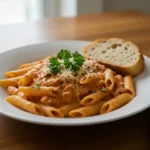
- Prep Time: 10 minutes
- Cook Time: 20 minutes
- Total Time: 30 minutes
- Yield: 10 minutes
- Category: Sauce
- Method: Simmered
- Cuisine: Italian-American
- Diet: Vegetarian
Ingredients
- Marinara sauce: 1 standard jar (about 500 g / 18 oz)
- 1 store-bought marinara (jarred), roughly 18 oz (500 g)
- Jarred marinara sauce, about 500 grams (≈ 18 ounces)
- Use 1 jar of your favorite marinara (around 18 oz / 500 g)
- Marinara: 1 jar (~2 cups, about 18 oz / 500 g)
- 1 jar marinara-style pasta sauce (approx. 500 g / 18 oz)
- Marinara pasta sauce (jar): 18 oz / 500 g
- About 500 g (18 oz) marinara sauce (typically 1 jar)
Instructions
- Start the aromatics: Set a medium saucepan over medium heat and add the olive oil. Once warm, add the onion and cook until softened and lightly translucent, about 4–5 minutes.
- Bloom the garlic: Stir in the garlic and cook briefly, about 30 seconds just until you smell it (avoid browning).
- Create the base: Add the marinara sauce, sugar, and broth. Stir, then bring to a gentle simmer.
- Turn it rosy: Lower the heat. Slowly pour in the cream while stirring constantly, until the sauce becomes smooth and pale pink.
- Let it reduce: Simmer uncovered for 12–15 minutes, stirring occasionally, until it thickens slightly.
- Finish with cheese: Remove from the heat and stir in Parmesan until melted and silky. Taste and add salt if needed.
- Serve: Spoon over pasta or gnocchi, and sprinkle with basil or parsley if you like.
Notes
- Mild heat: Add a small pinch of red pepper flakes while simmering.
- Dairy-free option: Swap the cream for unsweetened coconut milk (the flavor will be slightly different but still creamy).
- Freezer tip: Cool completely before freezing in airtight containers; it keeps up to 3 months.
- Serving ideas: Great with short pasta shapes, gnocchi, shrimp, chicken, or roasted vegetables for a quick creamy dinner.

Natalie is the recipe creator at To Learn Recipes, where she develops simple, balanced, and approachable recipes for everyday home kitchens. Her goal is to help home cooks create delicious, lighter meals without unnecessary complexity.
Each recipe is tested multiple times to ensure clarity, consistency, and reliable results. Natalie combines her love for Italian-inspired comfort food with a focus on balance, flavor, and confidence-building techniques.
Expertise: Creamy sauces, balanced Italian-American dishes, and family-friendly recipe testing.
📖 Learn more: Visit Natalie’s author page or explore the About Us section for more about her recipes and kitchen philosophy.
Editorial Integrity: All recipes on To Learn Recipes are tested in our home kitchen for accuracy, safety, and repeatability. Content reflects Natalie’s hands-on testing process and dedication to trustworthy, real-world cooking.