
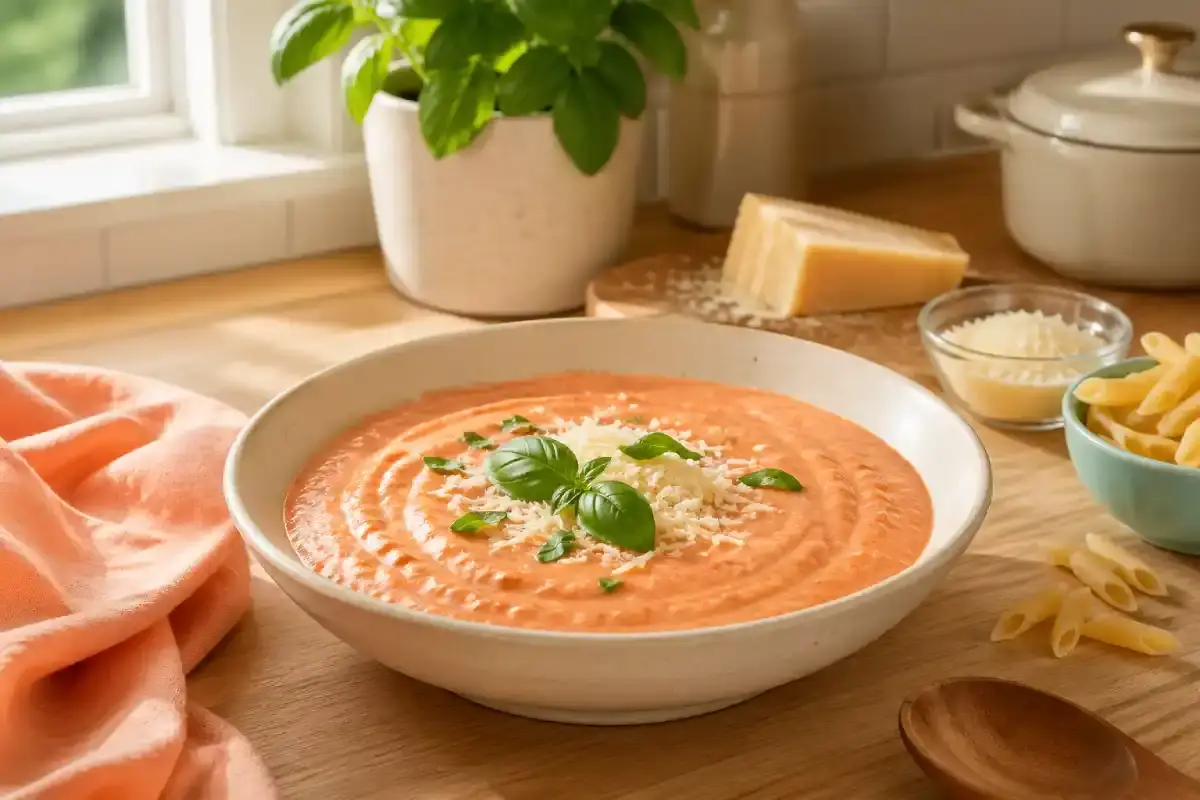
Palomino sauce is a creamy pink tomato pasta sauce made by combining marinara sauce with cream, garlic, Parmesan, and a little richness from olive oil or butter. It tastes softer, smoother, and less acidic than marinara, and it is often described as a simple vodka sauce without the vodka.
Key Takeaways
- Palomino sauce is a quick tomato cream sauce made with marinara, cream, garlic, onion, Parmesan, and broth.
- It is different from marinara because it is creamier, milder, and less acidic.
- It is similar to vodka sauce, but it does not contain vodka and is usually simpler to make.
- The sauce pairs well with pasta, gnocchi, chicken, shrimp, roasted vegetables, and spaghetti squash.
- For the best texture, simmer the sauce gently and add the cream over low heat to keep it smooth.
Introduction
Palomino sauce is a creamy tomato sauce made by gently simmering marinara with heavy cream, Parmesan, garlic, and onion. It has the bright flavor of tomato sauce with a smooth, velvety finish, making it a practical choice for pasta, gnocchi, chicken, shrimp, roasted vegetables, and spaghetti squash.
Also known as pink sauce, rose sauce, tomato cream sauce, or creamy marinara sauce, Palomino sauce is richer than marinara but lighter and simpler than Alfredo. It is also often compared to vodka sauce, though this version does not use alcohol.
The key to a smooth Palomino sauce is gentle heat. Lower the temperature before adding the cream, stir slowly, and let the sauce simmer uncovered until it turns pale pink, glossy, and thick enough to coat the back of a spoon.
This recipe uses jarred marinara as a smart shortcut, then builds flavor with simple aromatics, cream, broth, and Parmesan for a comforting sauce that feels homemade without requiring a long simmer.
What Is Palomino Sauce?
Palomino sauce is a rose-colored tomato cream sauce commonly used with pasta. It combines a tomato base, usually marinara sauce, with cream and savory ingredients like garlic, onion, and Parmesan.
The result is smoother and milder than plain tomato sauce. The cream softens the acidity of the tomatoes, while Parmesan adds a salty, savory finish. It works especially well when you want a comforting sauce that feels richer than marinara but still simple enough for a weeknight meal.
You may also see Palomino sauce described as a pink sauce, tomato cream sauce, or vodka-style sauce without vodka. Those names overlap, but the key idea is the same: a creamy tomato sauce with a balanced, velvety texture.
How Is Palomino Sauce Different from Marinara or Vodka Sauce?
Palomino sauce sits between marinara and vodka sauce. It keeps the familiar tomato flavor of marinara, but cream and Parmesan make it smoother, richer, and less sharp.
| Sauce | Main Base | Creamy? | Alcohol? | Flavor Profile |
|---|---|---|---|---|
| Marinara | Tomatoes, garlic, herbs | No | No | Bright, tomato-forward, more acidic |
| Palomino sauce | Marinara plus cream | Yes | No | Mild, creamy, savory, softly sweet |
| Vodka sauce | Tomatoes, cream, vodka | Yes | Yes | Rich, tomato-cream flavor with vodka used in the cooking process |
Palomino sauce is not just marinara with a splash of cream added at the end. For the best result, the sauce should simmer gently so the tomato base, cream, garlic, and Parmesan come together into one smooth sauce.
It is also not exactly the same as vodka sauce. Both are creamy tomato sauces, but Palomino sauce skips the vodka, which makes it a simpler choice when you want a family-friendly tomato cream sauce without alcohol.
Why This Palomino Sauce Recipe Works
This Palomino sauce recipe uses jarred marinara as a practical shortcut, then improves the flavor with a few simple additions. Onion and garlic create a savory base, broth loosens the sauce without making it watery, and Parmesan helps bring the tomato and cream together.
The cream is added over low heat so the sauce turns smooth instead of harsh or separated. A short uncovered simmer gives the sauce time to thicken slightly, coat pasta well, and develop a balanced tomato-cream flavor without requiring a long cooking time.
It also works because the recipe stays flexible. You can keep it mild, add a pinch of red pepper flakes for gentle heat, or use it with pasta, gnocchi, spaghetti squash, chicken, shrimp, or roasted vegetables.
Palomino Sauce Ingredients
This recipe uses simple ingredients that build a creamy, savory tomato sauce without making it complicated.
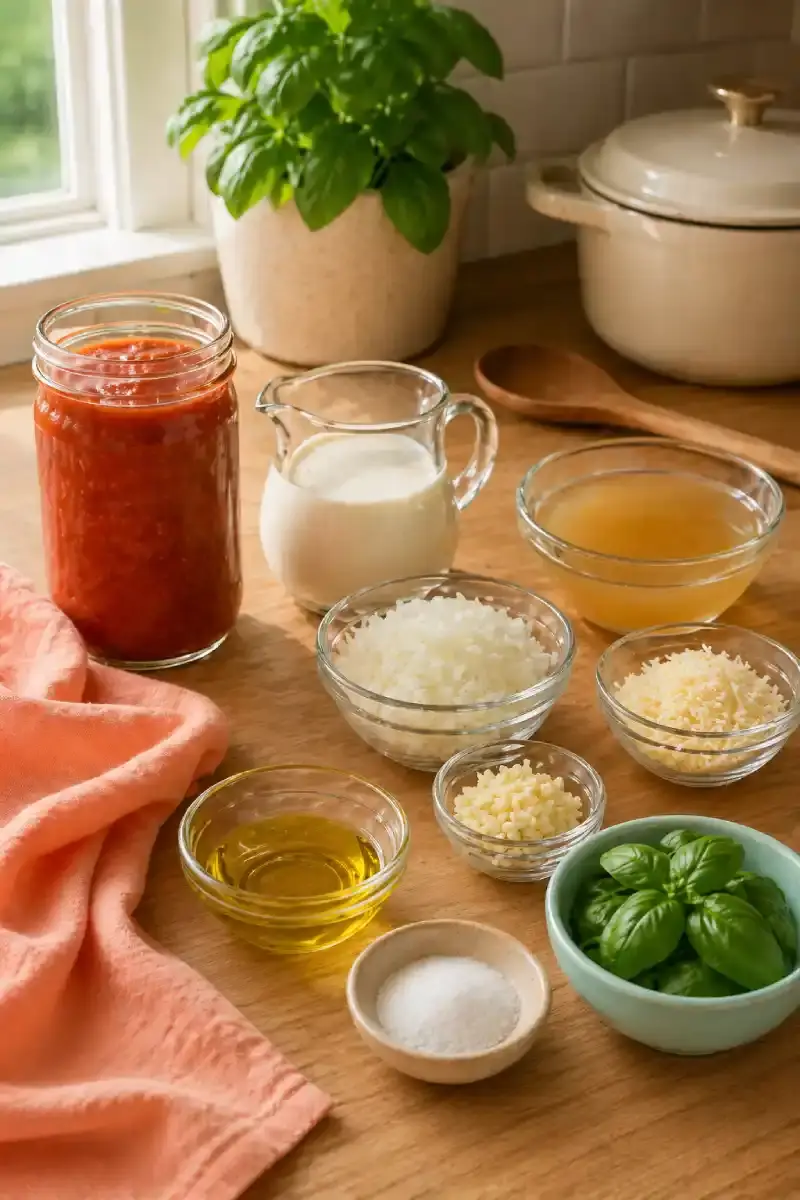
| Ingredient | Amount | Why It Matters |
|---|---|---|
| Olive oil | 1 tablespoon | Helps soften the onion and start the sauce base. |
| Onion | 1 small onion, finely diced | Adds gentle sweetness and depth. |
| Garlic | 2 cloves, minced | Gives the sauce a savory aroma. |
| Marinara sauce | 18 oz / 500 g | Forms the tomato base and keeps the recipe quick. |
| Vegetable broth | 1/4 cup | Loosens the sauce and helps it simmer smoothly. |
| Sugar | 1 teaspoon, optional | Balances acidity if the marinara tastes sharp. |
| Heavy cream | 1/2 cup | Creates the pale pink color and creamy texture. |
| Parmesan cheese | 1/3 cup grated Parmesan cheese | Adds salty depth and helps finish the sauce. |
| Salt | To taste | Adjusts the final flavor. |
| Basil or parsley | Optional garnish | Adds a fresh finish before serving. |
Use a marinara sauce you already enjoy, because it gives the sauce most of its tomato flavor. A smooth marinara creates a silkier Palomino sauce, while a chunky marinara gives it more texture.
How to Make Palomino Sauce
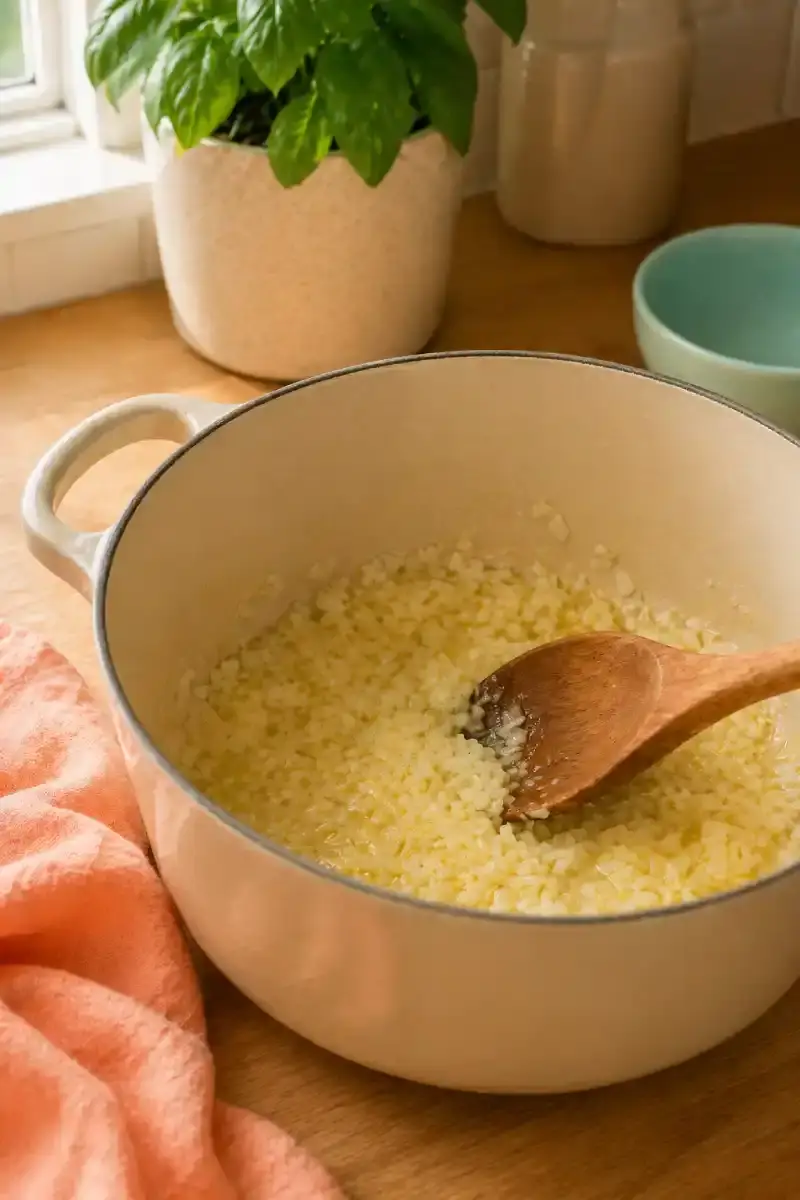
- Start the aromatics. Set a medium saucepan over medium heat and add the olive oil. Once warm, add the onion and cook until softened and lightly translucent, about 4–5 minutes.
- Bloom the garlic. Stir in the garlic and cook for about 30 seconds, just until fragrant. Do not let it brown, or it may taste bitter.
3. Create the tomato base. Add the marinara sauce, sugar, and broth. Stir well, then bring the sauce to a gentle simmer.
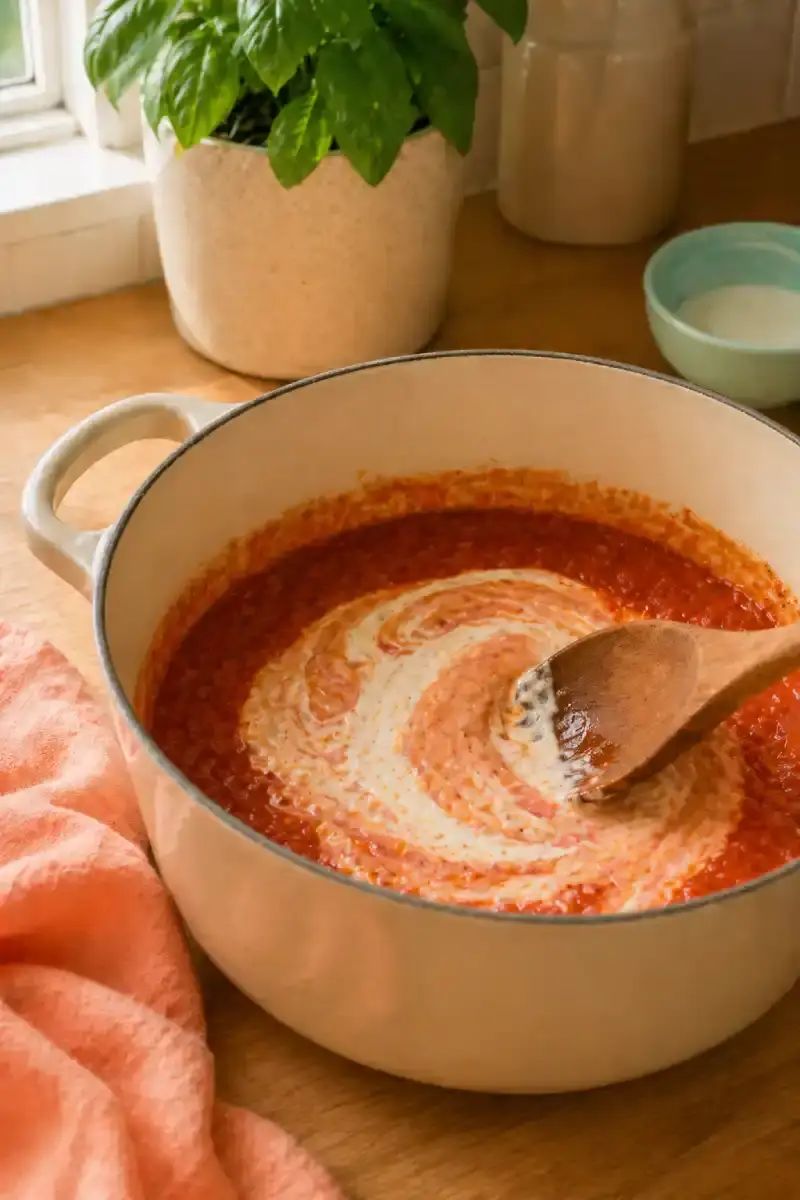
4. Turn it creamy. Lower the heat. Slowly pour in the cream while stirring constantly, until the sauce becomes smooth and pale pink.
5. Let it reduce. Simmer uncovered for 12–15 minutes, stirring occasionally, until the sauce thickens slightly and coats the back of a spoon.
6. Finish with Parmesan. Remove the pan from the heat and stir in the Parmesan until melted and smooth. Taste and add salt only if needed.
7. Serve. Spoon the Palomino sauce over pasta, gnocchi, spaghetti squash, chicken, shrimp, or roasted vegetables. Finish with basil or parsley if you like.
Recipe Testing Notes
This Palomino sauce was tested with a focus on texture, heat control, and how well the sauce coats pasta. The smoothest result came from lowering the heat before adding the cream, then simmering the sauce gently until it turned pale pink and glossy.
Room-temperature cream blended more smoothly into the tomato base than cold cream. Cold cream still worked, but it needed slower stirring and lower heat to prevent the sauce from looking slightly separated.
The simmering time also mattered. After 10 minutes, the sauce was flavorful but still a little loose. After 12–15 minutes, it thickened enough to coat the back of a spoon and cling better to pasta or gnocchi.
A wider skillet reduced the sauce faster than a deeper saucepan. For a thicker Palomino sauce, use a wide pan and stir often. For a gentler, slower simmer, a medium saucepan works well.
During testing, the main mistake was adding cream while the tomato sauce was too hot. Lowering the heat first and stirring the cream in slowly created a smoother, more reliable texture.
Tips for the Best Creamy Texture
Keep the heat gentle once the cream goes in. A low simmer helps the sauce stay smooth and prevents the dairy from separating.
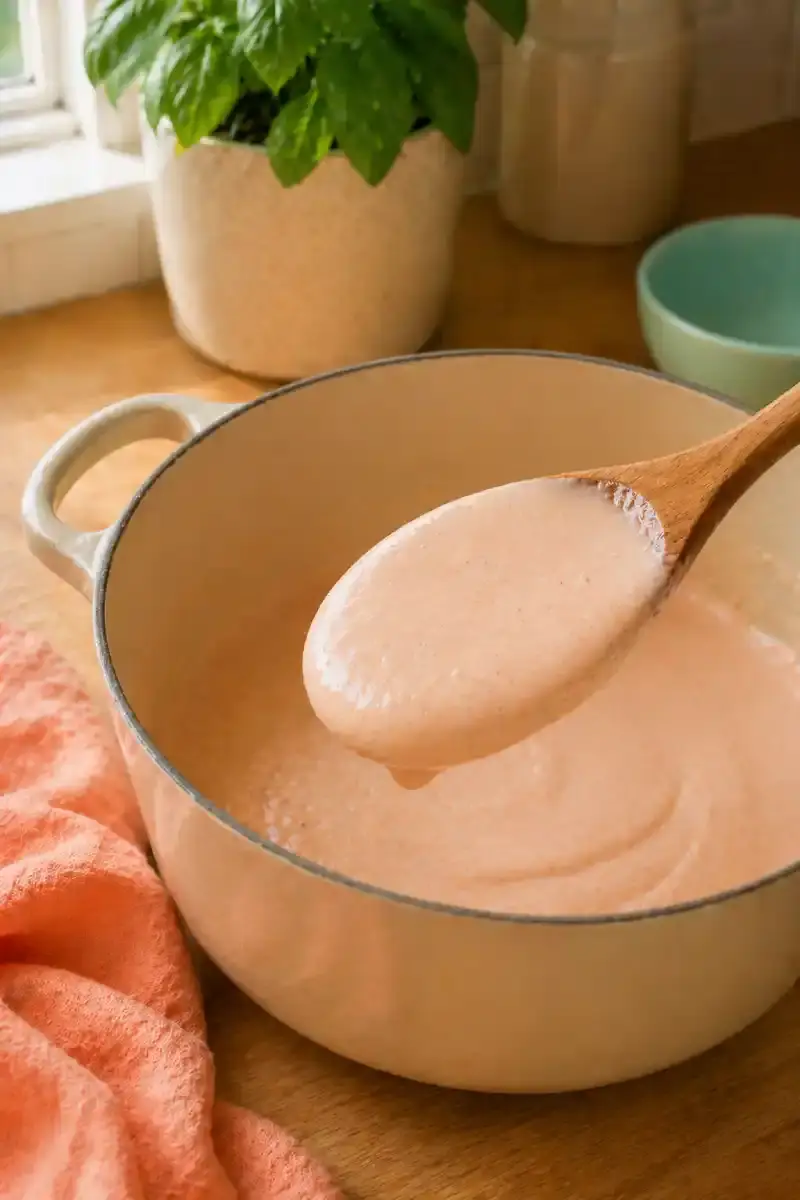
Add the cream slowly while stirring, instead of pouring it in all at once. This helps the marinara and cream blend into an even pink sauce.
Use finely grated Parmesan so it melts cleanly into the sauce. Larger shreds can clump or leave the sauce slightly grainy.
If the sauce feels too thin, simmer it uncovered for a few extra minutes. If it becomes too thick, loosen it with a small splash of broth, pasta water, or warm water.
Taste at the end before adding salt. Jarred marinara and Parmesan can already be salty, so the final seasoning should be adjusted carefully.
Troubleshooting Palomino Sauce
Small texture changes are common with tomato cream sauces, especially when cream, cheese, and heat come together. Use this quick guide to adjust the sauce while it is still on the stove.
| Problem | Likely Cause | Best Fix |
|---|---|---|
| Sauce looks separated | Heat was too high when the cream was added | Lower the heat, stir gently, and add a small splash of warm broth if needed. |
| Sauce feels too loose | It needs more reduction time | Simmer uncovered over low heat until it coats the back of a spoon. |
| Sauce tastes sharp | The marinara is naturally acidic | Add a little more cream, Parmesan, or a small pinch of sugar, then taste again. |
| Sauce turns grainy | Parmesan was added while the sauce was too hot | Remove the pan from heat before adding cheese and stir until just melted. |
| Sauce gets too thick | It reduced too much | Loosen it with a splash of broth, pasta water, or warm water. |
| Garlic tastes bitter | Garlic browned before the marinara was added | Cook garlic briefly next time, just until fragrant. |
For the most reliable texture, keep the sauce at a gentle simmer after the cream goes in. It should look glossy, pale pink, and thick enough to cling to pasta without boiling.
What Dishes Pair Best with Palomino Sauce?
Palomino sauce pairs best with foods that can hold a creamy tomato sauce without getting lost under it. It is especially good with pasta, but it also works well as a practical sauce for proteins and vegetable-based meals.
For pasta, choose shapes with ridges, curves, or hollow centers. Penne, rigatoni, fusilli, shells, and farfalle all catch the sauce well. Gnocchi is another satisfying option because the soft texture works nicely with the velvety sauce.
For a lighter meal, spoon Palomino sauce over roasted vegetables or spaghetti squash. The sauce adds richness while keeping the dish simple and balanced. You can also use it with chicken, shrimp, or meatballs when you want a creamy tomato base for a quick dinner.
For more sauce ideas, see the Homemade Sauces Guide. If you want a vegetable-based pairing, try it with this Spaghetti Squash Recipe.
Substitutions and Variations
Palomino sauce is flexible, but each substitution changes the texture slightly. Keep the heat low after adding any creamy ingredient, then adjust the thickness with a gentle simmer before serving.
| Original Ingredient | Substitute | Ratio | Notes |
|---|---|---|---|
| Heavy cream | Half-and-half | 1:1 | Lighter, but the sauce will be slightly thinner. Simmer a few extra minutes if needed. |
| Heavy cream | Full-fat coconut milk | 1:1 | Dairy-free option with a mild coconut flavor. Use unsweetened coconut milk only. |
| Parmesan | Pecorino Romano | 1:1 | Saltier and sharper than Parmesan, so add less salt at the end. |
| Marinara sauce | Tomato passata | 1:1 | Add herbs, garlic, salt, and a little extra simmering time for more flavor. |
| Vegetable broth | Pasta water | 1:1 | Helps loosen the sauce while helping it cling to pasta. |
Vegan Palomino Sauce
For a vegan Palomino sauce, use full-fat coconut milk or cashew cream instead of heavy cream. Replace Parmesan with nutritional yeast or a dairy-free Parmesan-style alternative, then taste before adding salt.
Spicy Palomino Sauce
For gentle heat, add a small pinch of red pepper flakes while the sauce simmers. For a bolder version, stir in a small amount of Calabrian chili paste and balance it with extra cream if the sauce becomes too sharp.
Lighter Palomino Sauce
For a lighter texture, use half-and-half instead of heavy cream. The sauce will not be quite as rich, so simmer it uncovered for a few extra minutes until it lightly coats the back of a spoon.
For another homemade sauce variation, see this Tram Sauce Recipe.
Storage and Reheating Tips
Let the Palomino sauce cool before storing it. Store the sauce in a sealed container in the refrigerator and use it within 3–4 days.
Reheat the sauce gently in a saucepan over low heat, stirring often. If it looks too thick after chilling, add a small splash of broth, milk, cream, or pasta water until it loosens again.
Avoid boiling the sauce during reheating. Because it contains dairy, high heat can make the texture separate or turn grainy.
For freezing, cool the sauce completely, then store it in freezer-safe containers for up to 3 months. Thaw it overnight in the refrigerator and reheat slowly over low heat while stirring.
Safety Notes for Cream-Based Tomato Sauce
Because Palomino sauce contains cream and Parmesan, keep it refrigerated when you are not serving it. Do not leave it sitting at room temperature for long periods, especially after it has cooled.
When reheating, use low heat and stir often. This helps protect the creamy texture and lowers the chance of scorching the sauce on the bottom of the pan.
If the sauce smells sour, looks separated in an unusual way, or has been stored longer than recommended, it is safer to discard it and make a fresh batch.
Food Safety and Helpful References
Because Palomino sauce contains cream and Parmesan, it should be cooled and stored carefully. The FDA Safe Food Handling guide recommends refrigerating perishable foods within 2 hours and keeping the refrigerator at 40°F / 4°C or below.
For leftovers, the USDA FSIS Leftovers and Food Safety guide recommends using refrigerated leftovers within 3 to 4 days. For the best texture, reheat this cream-based tomato sauce gently over low heat and stir often instead of boiling it.
Frequently Asked Questions About Palomino sauce
Palomino sauce is usually made with marinara sauce, cream, garlic, Parmesan, and a small amount of fat such as olive oil or butter. Some versions also include onion, herbs, broth, tomato paste, or red pepper flakes.
Palomino sauce tastes creamy, savory, lightly sweet, and less acidic than regular marinara. The cream softens the tomato flavor, while garlic and Parmesan add depth.
No. Palomino sauce and vodka sauce are both creamy tomato sauces, but vodka sauce contains vodka, while Palomino sauce does not. Palomino sauce is usually milder and simpler to prepare.
Palomino sauce can be considered a type of pink sauce because it combines tomato sauce with cream. However, “pink sauce” is a broader term, while Palomino sauce usually refers to a creamy tomato pasta sauce.
Simmer it uncovered for a few extra minutes, stir in more finely grated Parmesan, or add a small spoonful of tomato paste. Avoid adding too much cream if the sauce already feels thin.
Yes. You can use half-and-half for a lighter version or unsweetened coconut milk for a dairy-free option. The texture and flavor will change slightly depending on the substitute.
Penne, rigatoni, fusilli, shells, and farfalle work especially well because they hold the creamy sauce. Gnocchi is also a good option because its soft texture pairs nicely with tomato cream sauce.
Palomino sauce usually lasts 3–4 days in the refrigerator when stored in an airtight container. Reheat it gently over low heat and stir often to keep the texture smooth.
Palomino Sauce Recipe
Palomino sauce is a creamy tomato sauce made with marinara, heavy cream, Parmesan, garlic, onion, and a gentle simmer. It turns smooth, pale pink, and rich enough for pasta, gnocchi, chicken, shrimp, or roasted vegetables.
- Prep Time: 10 minutes
- Cook Time: 20 minutes
- Total Time: 30 minutes
- Yield: About 2 1/2 cups sauce 1x
- Category: Sauce
- Method: Simmered
- Cuisine: Italian-American
- Diet: Vegetarian
Ingredients
- 1 tablespoon olive oil
- 1 small onion, finely diced
- 2 garlic cloves, minced
- 18 oz (500 g) marinara sauce
- 1/4 cup vegetable broth
- 1 teaspoon sugar, optional
- 1/2 cup heavy cream
- 1/3 cup grated Parmesan cheese
- Salt, to taste
- Fresh basil or parsley, optional
Instructions
- Warm the olive oil. Set a medium saucepan over medium heat and add the olive oil. Let it warm until glossy but not smoking.
- Sauté the onion. Add the finely diced onion and cook for 4 to 5 minutes, stirring occasionally, until softened and lightly translucent.
- Add the garlic. Stir in the minced garlic and cook for about 30 seconds, just until fragrant. Do not let the garlic brown.
- Add the marinara, broth, and sugar. Pour in the marinara sauce, vegetable broth, and optional sugar. Stir well, then bring the sauce to a gentle simmer.
- Lower the heat and add the cream. Slowly pour in the heavy cream while stirring constantly until the sauce turns pale pink and smooth.
- Simmer until slightly thickened. Simmer uncovered over low heat for 12 to 15 minutes, stirring occasionally, until the sauce looks glossy and coats the back of a spoon. Do not boil after adding the cream.
- Finish with Parmesan. Remove the pan from the heat and stir in the grated Parmesan cheese until melted and smooth. Taste and add salt only if needed.
- Serve. Serve the Palomino sauce over pasta, gnocchi, chicken, shrimp, roasted vegetables, or spaghetti squash. Garnish with fresh basil or parsley if desired.
Notes
- Mild heat: Add a small pinch of red pepper flakes while simmering.
- Dairy-free option: Swap the cream for unsweetened coconut milk (the flavor will be slightly different but still creamy).
- Freezer tip: Cool completely before freezing in airtight containers; it keeps up to 3 months.
- Serving ideas: Great with short pasta shapes, gnocchi, shrimp, chicken, or roasted vegetables for a quick creamy dinner.
Nutrition
- Serving Size: ¼ cup
- Calories: ~210 kcal
- Sugar: 5 g
- Sodium: 360 mg
- Fat: 15 g
- Saturated Fat: 8 g
- Unsaturated Fat: 6 g
- Trans Fat: 0 g
- Carbohydrates: 10 g
- Fiber: 1 g
- Protein: 7 g
- Cholesterol: 45 mg
Final Thoughts
Palomino sauce is a simple way to turn marinara into a smooth, comforting tomato cream sauce for everyday meals. With onion, garlic, cream, Parmesan, and a gentle simmer, it becomes rich enough for pasta but still flexible enough for gnocchi, chicken, shrimp, roasted vegetables, or spaghetti squash.
Keep the heat low when adding the cream, taste before salting, and reheat leftovers gently so the sauce stays smooth. For more ideas, use this recipe as part of your homemade sauce rotation whenever you want a creamy tomato sauce without making vodka sauce.
Disclaimer: Nutritional data and ingredient details are for general information only. Always consult a healthcare or nutrition professional if you have dietary restrictions, allergies, or lactose intolerance. Nutrition values are approximate and can change depending on the brands you use and how large each serving is.

