
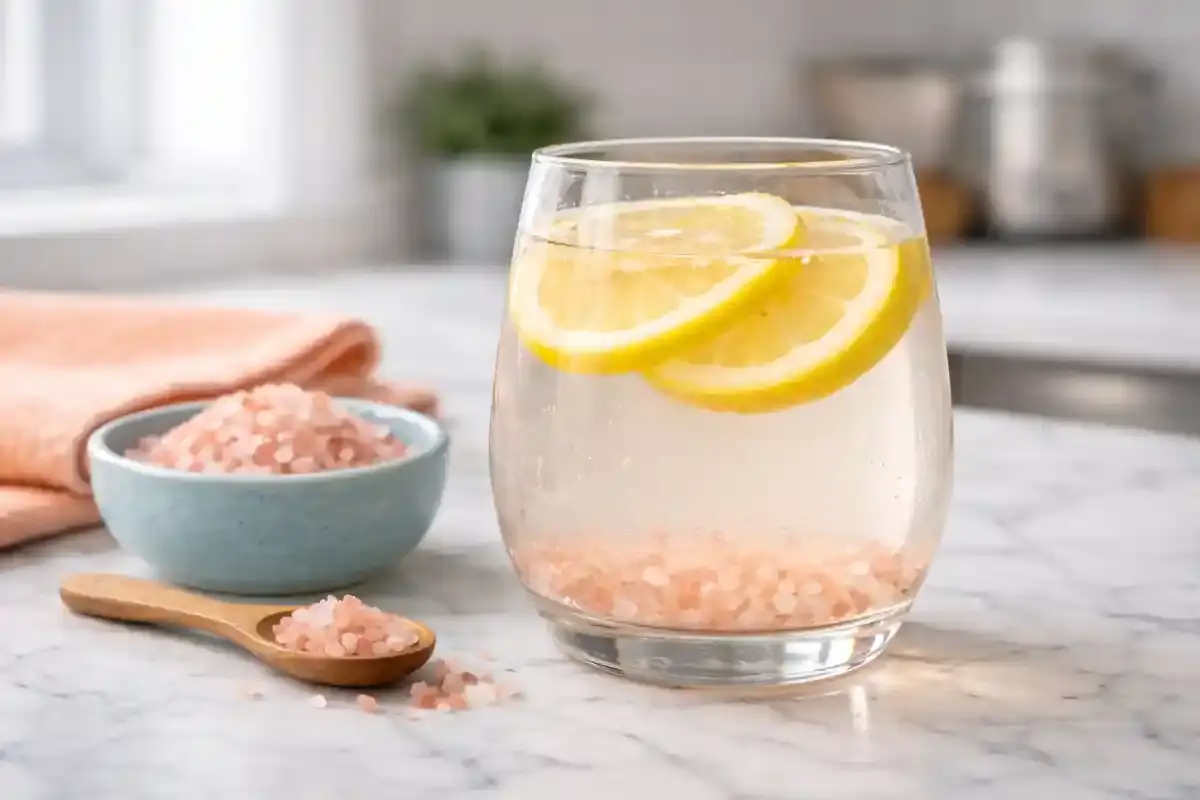
A pink salt drink typically contains Himalayan pink salt, warm water, and lemon juice, sometimes with optional additions like honey, apple cider vinegar, ginger, or cayenne pepper. These ingredients create a simple homemade hydration drink where the salt provides sodium and trace minerals while water and lemon contribute fluid and flavor.
The drink is mainly used as a light electrolyte-style beverage, but it should be consumed in moderation because Himalayan pink salt is still primarily sodium chloride.
Key Takeaways
- The core pink salt drink ingredients are warm water, Himalayan pink salt, and lemon juice.
- Himalayan pink salt is composed mostly of sodium chloride with small amounts of trace minerals like potassium, magnesium, and calcium.
- Optional additions such as honey or apple cider vinegar are often included for flavor or variation.
- Salt drinks can provide electrolytes, but they should be consumed carefully because excess sodium intake may affect blood pressure.
- The article focuses on ingredient explanation and safety, aligning with the ingredient-science intent of the page.
Introduction
Pink salt drinks have recently gained attention in hydration routines and online wellness discussions. Many people encounter the idea through the so-called “pink salt drink” or “pink salt trick,” but often want a clearer explanation of the actual ingredients and what each one does in the recipe.
At its simplest, a pink salt drink combines Himalayan pink salt, water, and often lemon juice to create a lightly salted beverage that resembles a mild homemade electrolyte drink. The goal is not complexity, but a simple and practical mixture that can support hydration through fluids and small amounts of electrolytes.
Understanding the ingredients helps clarify what this drink actually contains. Himalayan pink salt is mostly sodium chloride with small amounts of trace minerals, while other ingredients such as lemon juice or honey may be added for flavor and balance.
In this guide, we will look closely at the ingredients used in a pink salt drink, the minerals present in Himalayan pink salt, how each component works in the mixture, and the safety considerations to keep in mind when preparing salt-based drinks at home.
Article Update (2026)
This article was recently updated to clarify the main pink salt drink ingredients, explain the mineral composition of Himalayan pink salt, and add clearer guidance on hydration, electrolytes, and safe consumption when preparing salt-based drinks at home.
What Is a Pink Salt Drink?
A pink salt drink is a simple homemade beverage made by dissolving a small amount of Himalayan pink salt in water, often with lemon juice and occasionally other ingredients such as honey or apple cider vinegar. The mixture is sometimes described as a light electrolyte-style drink because the salt contributes sodium, one of the body’s primary electrolytes.
In many recipes, the preparation is straightforward: warm or room-temperature water is combined with a small pinch of Himalayan pink salt, stirred until dissolved, and finished with lemon juice for brightness and flavor. Some variations include additional ingredients for taste or personal preference, but the basic idea remains the same.
The interest in pink salt drinks partly comes from the mineral content of Himalayan pink salt. This type of salt is composed mainly of sodium chloride, along with small amounts of trace minerals such as potassium, magnesium, and calcium. These minerals are naturally present in the salt crystals and give the salt its characteristic pink color.
Today, pink salt drinks appear in several contexts:
- Hydration drinks prepared at home
- Morning beverage routines shared online
- Ingredient-focused drink guides that explain mineral content
However, it is important to understand that a pink salt drink is still primarily water with dissolved salt, and its main purpose is simply hydration and flavor variation rather than medical or nutritional treatment.
Main Ingredients in a Pink Salt Drink
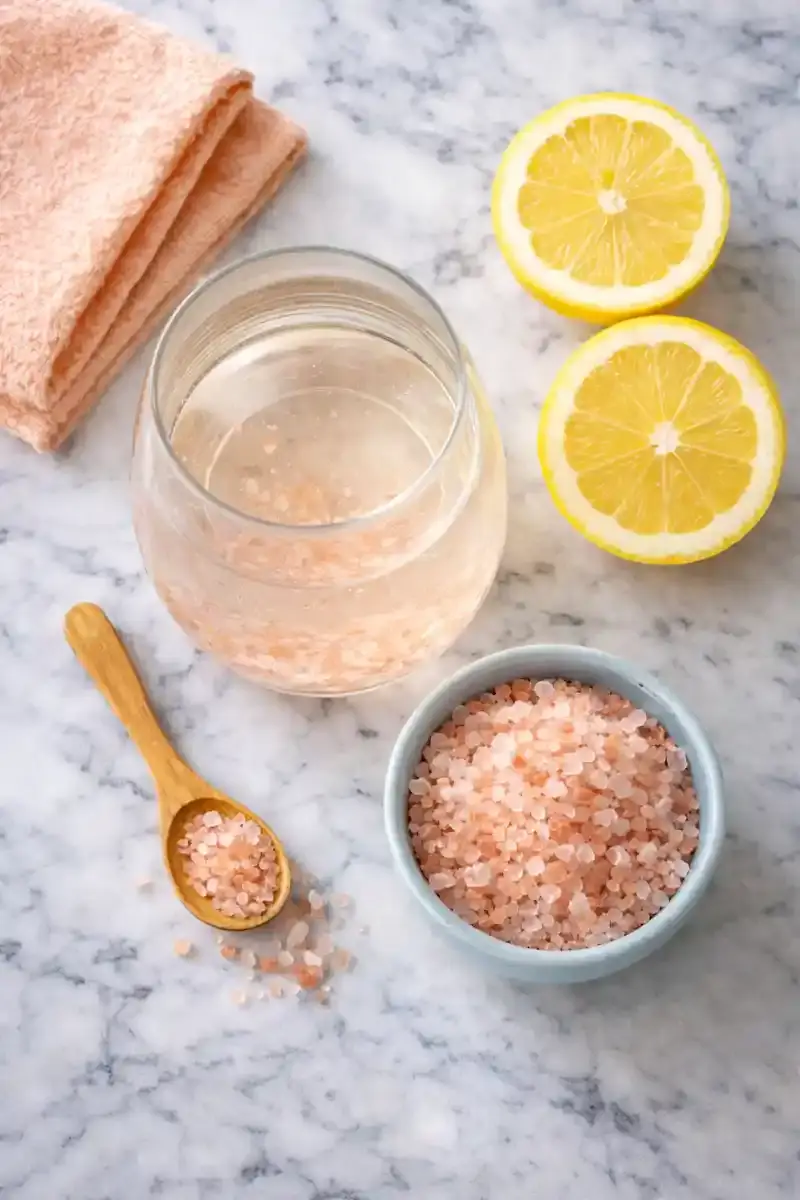
Most pink salt drink recipes rely on three core ingredients that create a simple and balanced mixture. These ingredients are commonly mentioned in hydration-style recipes and are widely associated with the pink salt drink concept.
1. Himalayan Pink Salt
Himalayan pink salt is the defining ingredient in this drink. It is a natural rock salt mined primarily from the Himalayan region and is known for its light pink color and trace mineral content.
Chemically, Himalayan pink salt consists mostly of sodium chloride, the same primary compound found in regular table salt. However, it also contains small quantities of minerals such as potassium, magnesium, and calcium, which contribute to its color and trace mineral profile.
In a drink recipe, the salt provides:
- sodium, an important electrolyte
- mild mineral flavor
- a small contribution to electrolyte balance
Because salt is highly concentrated, most recipes use only a small pinch.
2. Water
Water forms the base of the drink and allows the salt to dissolve evenly. Many recipes recommend warm or room-temperature water, which helps the salt dissolve more easily and creates a smoother mixture.
The water component primarily supports:
- hydration
- dilution of the salt concentration
- easy absorption of electrolytes in liquid form
Using filtered or clean drinking water helps keep the drink fresh and simple.
3. Lemon Juice
Lemon juice is commonly added to pink salt drinks because it introduces acidity and bright flavor, balancing the saltiness of the mixture.
Beyond flavor, lemon juice contributes small amounts of:
- vitamin C
- natural citrus acids
- refreshing taste
The citrus element also makes the drink easier to consume compared with plain salted water.
Optional Ingredients Sometimes Added
Some variations include additional ingredients to adjust flavor or personalize the drink.
Common optional additions include:
- Honey for light sweetness
- Apple cider vinegar for tangy flavor
- Ginger for a mild spicy note
- Cayenne pepper in some wellness-style recipes
These ingredients are not required, but they occasionally appear in online recipes and drink variations.
Himalayan Pink Salt: Mineral Composition Explained
Himalayan pink salt is a natural rock salt known for its distinct pink color and trace mineral content. It is mined primarily from ancient salt deposits in the Himalayan region and is commonly used in cooking, seasoning, and homemade drink recipes.
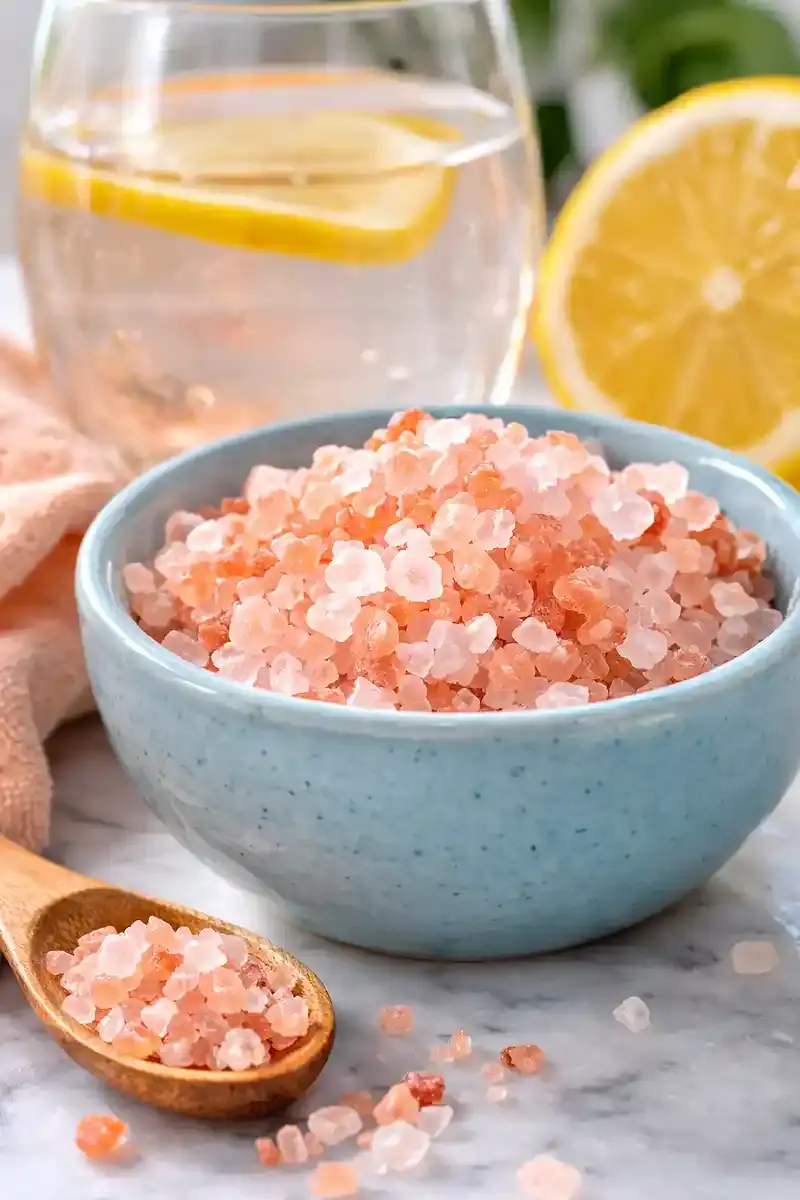
From a chemical perspective, Himalayan pink salt is composed mostly of sodium chloride (NaCl), which typically represents around 97–99% of the salt. The remaining portion consists of trace minerals that occur naturally in the rock salt deposits.
These trace minerals are present in very small amounts but contribute to the salt’s color and subtle flavor differences compared with standard refined table salt.
Why Pink Salt Has Its Color
The soft pink or reddish color of Himalayan salt comes primarily from iron-containing mineral compounds found in the salt crystals. These minerals are naturally embedded in the rock during geological formation.
Because the salt is usually minimally processed, many of these mineral traces remain in the final product.
Trace Minerals Present in Pink Salt
Himalayan pink salt may contain small quantities of minerals such as:
- Potassium
- Magnesium
- Calcium
- Iron
- Iodine (very small natural amounts)
Although these minerals exist in the salt, it is important to understand that they are present only in trace levels, meaning they contribute very small amounts nutritionally.
Pink Salt vs Regular Table Salt
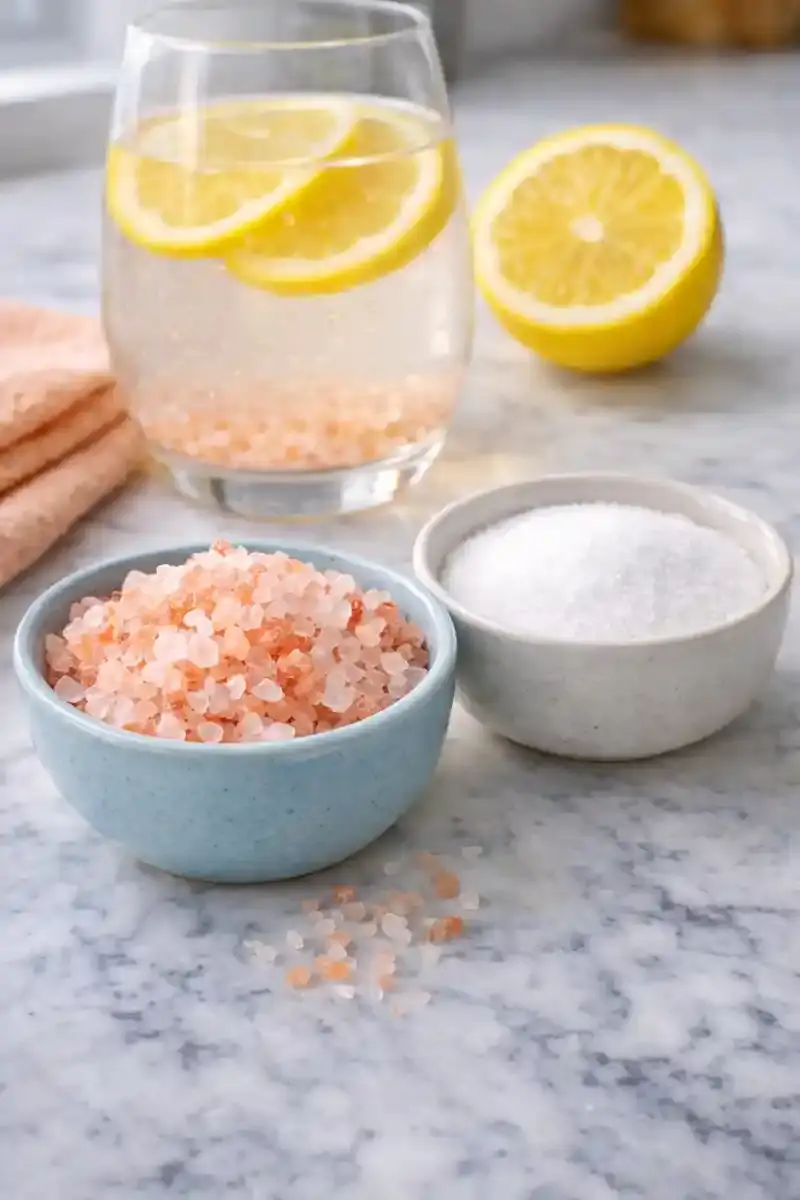
The main difference between Himalayan pink salt and refined table salt lies in processing and additives.
| Feature | Himalayan Pink Salt | Refined Table Salt |
|---|---|---|
| Processing | Minimally processed | Highly refined and purified |
| Main composition | Mostly sodium chloride with trace minerals | Almost pure sodium chloride |
| Mineral content | Contains small amounts of potassium, magnesium, and calcium | Usually contains very few natural minerals |
| Iodine content | Usually does not contain added iodine | Often fortified with iodine |
| Additives | Typically none | May include anti-caking agents |
The NIH iodine fact sheet notes that iodine is an essential nutrient the body uses to produce thyroid hormones and support normal metabolism.
In practical cooking or drink recipes, both types of salt primarily provide sodium, which is the main electrolyte involved in fluid balance.
What Minerals Are Found in Pink Salt?
Himalayan pink salt is often discussed because of its trace mineral content. While the salt is still composed mainly of sodium chloride, small quantities of other minerals naturally occur within the crystal structure. These minerals formed over millions of years as ancient seawater deposits slowly crystallized into rock salt.
In practical terms, the amount of these minerals is very small, which means pink salt should still be viewed primarily as a source of sodium rather than a significant source of dietary minerals.
Common Minerals Present in Himalayan Pink Salt
The following minerals are typically found in Himalayan pink salt in trace amounts:
| Mineral | Role in the Body | Presence in Pink Salt |
|---|---|---|
| Sodium | Supports fluid balance and nerve function | Main component |
| Potassium | Helps regulate muscle and nerve activity | Trace amount |
| Magnesium | Involved in muscle and enzyme function | Trace amount |
| Calcium | Important for bone structure and cell signaling | Trace amount |
| Iron | Contributes to the pink color of the salt | Very small trace |
Natural mineral traces in the salt crystals contribute to the subtle mineral taste and color variation of Himalayan pink salt.
Why Trace Minerals Matter Less Than Sodium
Although lists of minerals are often highlighted in discussions about pink salt, their quantities are typically too small to significantly impact daily mineral intake. The dominant compound remains sodium chloride, which is the same fundamental component found in most edible salts.
For this reason, when pink salt is used in a drink recipe, its primary contribution is still sodium, the electrolyte responsible for helping regulate fluid balance in the body.
What Each Ingredient Does in the Recipe
Each ingredient in a pink salt drink plays a specific role in the mixture. Together, these components create a simple hydration-style beverage that combines fluids, electrolytes, and flavor.
Understanding the purpose of each ingredient helps clarify why they are commonly used together in homemade pink salt drink recipes.
Himalayan Pink Salt – Electrolyte Source
Himalayan pink salt provides sodium, which is the main electrolyte present in the drink. Sodium helps regulate fluid balance in the body and supports nerve and muscle function.
Because salt is highly concentrated, recipes typically use only a small pinch, which dissolves easily in water and contributes a mild mineral taste.
Although Himalayan pink salt contains small quantities of trace minerals, the drink’s primary electrolyte contribution remains sodium chloride.
Water – Hydration Base
Water acts as the main carrier in the drink. It dissolves the salt and distributes the electrolytes evenly throughout the mixture.
Many recipes use warm or room-temperature water because it allows the salt to dissolve more smoothly. In the drink, water mainly supports:
- hydration
- dilution of salt concentration
- easier distribution of electrolytes in liquid form
Using clean or filtered water helps keep the drink simple and balanced.
Lemon Juice – Flavor and Balance
Lemon juice adds acidity and citrus flavor, which helps balance the salty taste of the mixture.
This ingredient can make the drink easier to consume while also contributing small amounts of:
- vitamin C
- natural fruit acids
- bright citrus flavor
The citrus component also creates a refreshing taste that complements the mineral profile of the salt.
Optional Ingredients – Flavor Variations
Some recipes include optional ingredients that adjust flavor or create variations of the drink.
Common additions include:
- Honey for mild sweetness
- Apple cider vinegar for tangy flavor
- Ginger for a subtle spicy note
- Cayenne pepper in some wellness-style drink variations
These ingredients are not required, but they sometimes appear in different versions of the drink.
Summary of Ingredient Roles
The ingredients in a pink salt drink work together to create a simple mixture that combines hydration with mild mineral flavor. The following table summarizes the role of each core ingredient.
| Ingredient | Main Function in the Drink | Contribution |
|---|---|---|
| Himalayan pink salt | Provides sodium | Electrolyte support and mild mineral taste |
| Water | Base of the drink | Hydration and dilution of salt |
| Lemon juice | Adds acidity and flavor | Balances saltiness and improves taste |
| Optional ingredients | Flavor variations | Sweetness, spice, or tangy notes |
This combination keeps the recipe simple, flexible, and easy to prepare, while allowing small adjustments depending on taste preferences.
Electrolytes and Hydration: How Salt Drinks Work
Electrolytes are minerals that carry an electrical charge when dissolved in fluids. In the human body, they help regulate several important functions, including fluid balance, nerve signaling, and muscle activity.
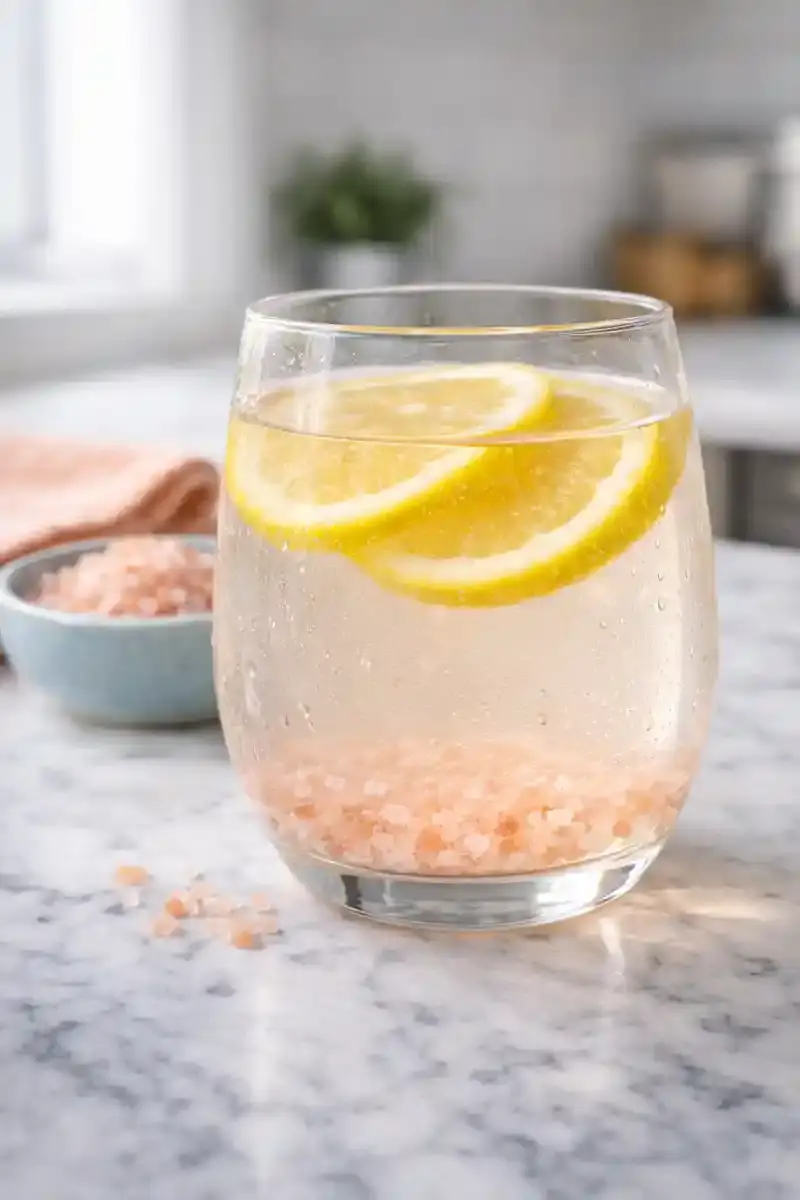
The NIH Office of Dietary Supplements potassium fact sheet explains that electrolytes such as sodium and potassium help regulate fluid balance, nerve signals, and muscle function in the body.
A pink salt drink is sometimes described as a simple electrolyte-style beverage because the dissolved salt provides sodium, which is one of the body’s primary electrolytes.
What Are Electrolytes?
Electrolytes are minerals that dissolve in water and help maintain the balance of fluids inside and outside cells. Some of the most important electrolytes in the body include:
- Sodium
- Potassium
- Magnesium
- Calcium
Among these minerals, sodium plays a central role in fluid regulation, which is why small amounts of salt are sometimes used in hydration drinks.
Key Electrolytes and Their Role in Hydration
The table below summarizes the main electrolytes involved in hydration and how they contribute to normal body functions.
| Electrolyte | Primary Function in the Body | Role in Hydration |
|---|---|---|
| Sodium | Helps regulate fluid balance and nerve signals | Maintains water balance in and around cells |
| Potassium | Supports muscle contraction and nerve function | Works with sodium to maintain fluid balance |
| Magnesium | Involved in enzyme activity and muscle relaxation | Supports normal muscle and nerve function |
| Calcium | Important for bone health and cellular signaling | Helps regulate muscle contraction |
These minerals normally come from a balanced diet. In a pink salt drink, however, the main electrolyte present is sodium, since Himalayan pink salt is primarily composed of sodium chloride.
How Salt Drinks Contribute to Hydration
When a small amount of salt dissolves in water, it releases sodium ions. These ions help regulate how fluids move between cells and tissues.
In a typical pink salt drink:
- Water provides hydration
- Salt contributes sodium, an electrolyte
- Lemon juice improves taste and drinkability
Together, these ingredients create a very mild electrolyte-style drink that some people use as a simple hydration variation.
Why Moderation Is Important
Although sodium is an essential electrolyte, consuming excessive salt may increase overall sodium intake. Health guidelines generally recommend keeping sodium consumption within moderate daily limits.
For this reason, most recipes use very small amounts of salt when preparing pink salt drinks, and people should treat them as an occasional hydration option rather than a primary electrolyte source.
Are Pink Salt Drinks Safe to Consume?
Most healthy adults can safely consume pink salt drinks when they are prepared in small amounts. The ingredients used in the drink – water, lemon juice, and a small pinch of Himalayan pink salt – are common culinary ingredients used in many foods and beverages.
However, because the drink contains salt, it is important to understand how sodium intake affects the body and why moderation is recommended.
Sodium Intake and Daily Limits
Himalayan pink salt is composed primarily of sodium chloride, which means the drink mainly provides sodium rather than large amounts of other minerals.
Health guidelines in many countries suggest limiting daily sodium intake to around 2,300 milligrams per day for most adults, with lower limits often recommended for individuals with certain health conditions.
According to the World Health Organization sodium reduction guidelines, adults should consume less than 2,000 mg of sodium per day to reduce the risk of high blood pressure and cardiovascular disease.
For this reason, pink salt drinks should always be prepared with very small quantities of salt.
When Salt Drinks May Be Reasonable
In some situations, drinks containing small amounts of electrolytes may help support hydration, especially when fluids and electrolytes are lost through sweating.
Examples may include:
- hot weather conditions
- extended physical activity
- situations where additional fluids are needed
In these cases, the drink acts primarily as water with a small amount of dissolved sodium.
Situations Where Caution Is Recommended
Some individuals may need to be more careful with salt intake.
People who may need to limit sodium include:
- individuals with high blood pressure
- people following low-sodium diets
- those with certain kidney or cardiovascular conditions
Because dietary needs vary from person to person, anyone with specific health concerns should consult a qualified health professional before significantly increasing salt intake.
A Balanced Perspective
It is also important to remember that pink salt drinks are sometimes discussed in online wellness trends. While the drink can be prepared safely in small amounts, there is no scientific evidence that pink salt drinks provide special health benefits beyond basic hydration and electrolyte intake.
When used occasionally and prepared with moderation, a pink salt drink can simply be viewed as a mild homemade hydration beverage rather than a health treatment.
Who Should Be Careful With Salt Drinks
While pink salt drinks can be prepared safely in small amounts, some people may need to be more cautious with salt intake. Because Himalayan pink salt is mostly sodium chloride, consuming salt-based drinks may increase overall sodium consumption if used frequently.
Understanding who should limit sodium can help ensure that pink salt drinks are used in a balanced and responsible way.
People With High Blood Pressure
Individuals with high blood pressure (hypertension) are often advised to reduce sodium intake. Excess sodium can contribute to increased blood pressure in some people.
For this reason, those managing hypertension should be cautious with salt-based drinks and may prefer low-sodium hydration options instead.
People Following Low-Sodium Diets
Some people follow medically recommended low-sodium diets. These diets are sometimes prescribed for conditions affecting the heart, kidneys, or circulation.
For individuals on these diets, adding salt drinks regularly could interfere with their recommended sodium limits.
Individuals With Kidney Conditions
The kidneys help regulate sodium and fluid balance in the body. People with kidney-related health conditions may need to carefully monitor their sodium intake.
Because dietary needs can vary, individuals with kidney concerns should consult a qualified healthcare professional before adding salt-based drinks to their routine.
Children and Sensitive Individuals
Children and people who are sensitive to sodium intake may also need to limit salty beverages. In general, hydration through plain water and balanced nutrition is usually sufficient for everyday needs.
A Practical Approach
For most healthy adults, a pink salt drink made with a small pinch of salt and plenty of water can be consumed occasionally without concern. However, moderation remains important, since the drink still contributes to total daily sodium intake.
Approaching salt drinks with careful preparation and reasonable portion sizes helps ensure they remain a simple hydration option rather than an excessive source of sodium.
Tips for Using Pink Salt in Homemade Drinks
Preparing a pink salt drink at home is relatively simple, but a few practical tips can help ensure the mixture remains balanced and easy to drink. Because salt is highly concentrated, careful preparation is important to maintain both flavor and moderation.
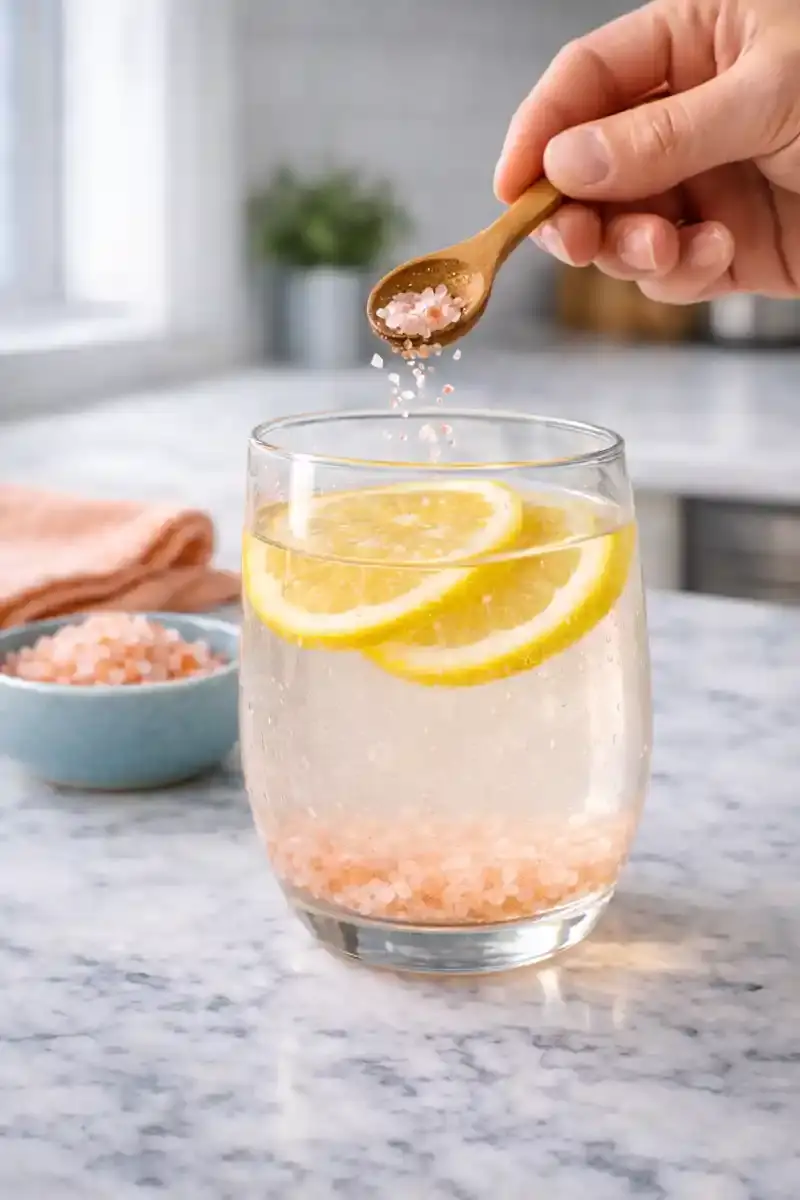
Use Small Quantities of Salt
The most important guideline when making a pink salt drink is to use only a small pinch of salt. Himalayan pink salt is mostly sodium chloride, so even small amounts can significantly affect the sodium content of the drink.
Using too much salt can make the drink overly salty and increase total sodium intake.
Dissolve the Salt Completely
Salt dissolves more easily in warm or room-temperature water. Stirring the drink until the salt fully dissolves helps distribute the minerals evenly throughout the mixture.
This also prevents the salt from settling at the bottom of the glass.
Balance the Flavor With Lemon
Adding lemon juice can make the drink more pleasant and refreshing. The natural acidity of lemon helps balance the saltiness and creates a smoother flavor.
If desired, the amount of lemon can be adjusted depending on personal taste preferences.
Avoid Overcomplicating the Recipe
Many variations of pink salt drinks appear online, sometimes including multiple additional ingredients. In most cases, however, the drink works best when it remains simple and balanced.
A typical preparation often includes:
- water
- a small pinch of Himalayan pink salt
- lemon juice for flavor
Optional ingredients can be added occasionally, but they are not required for the basic drink.
Prepare Fresh When Possible
Because the drink contains fresh ingredients such as lemon juice, it is usually best prepared fresh before drinking. This keeps the flavor bright and avoids unnecessary storage.
Keeping the preparation simple helps maintain the drink as a light and practical homemade beverage.
Frequently Asked Questions
Below are answers to some common questions about pink salt drink ingredients, preparation, and safety.
The most common ingredients used in a pink salt drink are warm water, Himalayan pink salt, and lemon juice. These ingredients create a simple mixture where water provides hydration, salt supplies sodium, and lemon improves flavor and drinkability.
Some variations also include optional ingredients such as honey or apple cider vinegar, but these are not required for the basic drink.
Some people include pink salt drinks in their daily routine, but moderation is important because the drink still contains sodium.
Most health guidelines recommend keeping total sodium intake within reasonable daily limits. Because of this, pink salt drinks should be prepared with small amounts of salt and consumed occasionally rather than excessively.
Himalayan pink salt naturally contains very small amounts of iodine, but it usually does not include the added iodine found in many refined table salts.
Because iodine levels are minimal, people who rely on iodized salt for dietary iodine should be aware that pink salt may not provide the same iodine contribution.
Himalayan pink salt contains trace minerals that are not always present in refined table salt. However, the salt is still mostly sodium chloride, and nutritionally the differences are generally small.
For most cooking and drink recipes, the primary effect of both salts is the same: they provide sodium.
Related Guides and Articles
If you want to explore the topic further, several related guides on our site explain different drink variations, preparation methods, and safety considerations connected to trending hydration recipes. These resources can help you better understand how pink salt drinks fit into broader homemade beverage routines.
You may find these articles helpful:
- Weight loss drinks guide – a broader overview of simple hydration drinks and lighter beverage ideas used in everyday routines.
- Japanese pink salt drink variation – an explanation of a popular variation that combines pink salt with other drink ingredients.
- Pink salt weight loss recipe – a practical look at another homemade drink preparation using Himalayan pink salt.
- Pink salt diet drink recipe – a guide describing another version of a pink salt drink mixture and how it is typically prepared.
- Plastic wrap diet medical warning – a medical safety guide discussing potential health risks associated with certain viral weight-loss trends.
Exploring these related pages can help readers compare different drink recipes, understand ingredient variations, and stay informed about safety considerations when experimenting with trending wellness drinks.
Final Thoughts
Pink salt drinks are made from a simple combination of ingredients, typically Himalayan pink salt, water, and lemon juice. Together, these components create a mild homemade beverage that provides hydration along with a small amount of sodium.
Although Himalayan pink salt contains trace minerals such as potassium, magnesium, and calcium, it remains primarily sodium chloride, meaning sodium is the main electrolyte present.
When prepared with small amounts of salt and plenty of water, a pink salt drink can be used occasionally as a simple hydration variation. Understanding the ingredients and their roles helps place the drink in a realistic context – as a practical homemade beverage rather than a health solution.


Nice Drink
THnkas, and you are welcome
This recipe is worth trying. How long does it take?
Thank you for your trust