
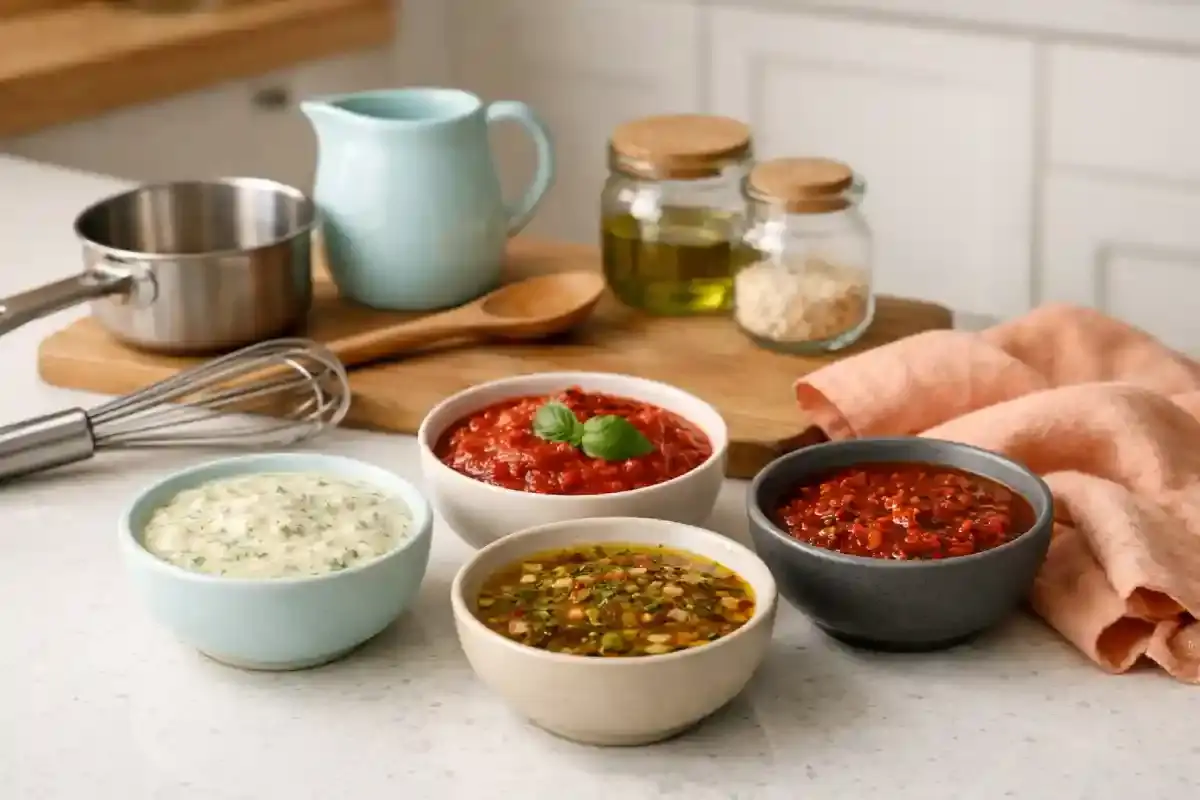
This homemade sauces guide helps you choose the right sauce for each meal with more confidence. It also shows you how different sauces change flavor, texture, and overall balance. With the right homemade sauces, you can brighten salads, enrich pasta, and bring grain bowls together with very little extra effort.
Key Takeaways
- A good sauce guide for home cooks helps you compare light dressings, creamy sauces, tomato sauces, and bold finishing sauces.
- For beginners, vinaigrettes, creamy herb sauces, simple tomato sauces, and quick pan sauces are often the easiest place to start.
- For example, the right sauce can brighten a salad, add richness to roasted vegetables, or give pasta and grain bowls more body.
- In addition, a few easy sauce formulas make homemade sauces easier to repeat with everyday ingredients.
- Finally, some homemade sauces taste best fresh, while others hold up well for meal prep and short-term storage.
Introduction
Homemade sauces can quickly lift a meal that feels plain or unfinished. The right sauce can brighten roasted vegetables, coat pasta more smoothly, or help a grain bowl taste more balanced. They also help fix meals that feel dry, flat, or repetitive.
Most home cooks do not need dozens of complicated recipes. Instead, they need a clear guide that explains the main sauce types and when to use them. Some sauces add freshness. Others add richness. In some cases, one sauce can do both.
In this guide, you will learn which sauces work best for salads, roasted vegetables, grain bowls, pasta, chicken, fish, and meal prep. You will also find easy formulas, pairing tips, storage advice, and quick fixes for common sauce problems.
Sauce Basics 101
Homemade sauces do more than add flavor. They can loosen a dry grain bowl, soften sharper dressings, and help roasted vegetables or pasta taste more balanced. In many meals, the sauce is what ties the plate together, especially when grains, vegetables, or protein need a better finish.
Most homemade sauces solve one of four common kitchen problems. They can brighten a heavy dish, add richness, deepen flavor, or coat ingredients more evenly. In practice, that means a sauce can help pasta, roasted vegetables, and grain bowls taste smoother and more balanced.
Good sauce-making starts with balance. Most sauces need some mix of fat, acid, salt, and flavor builders. Oil softens sharp flavors, while lemon juice or vinegar can wake up a flat dish. Herbs, garlic, mustard, broth, or tomato then add more character.
Texture matters just as much as flavor. Thin sauces work well for salads, grain bowls, and drizzling. Thicker sauces cling better to pasta, roasted vegetables, and proteins. A smoother sauce helps when a plate feels dry, while a brighter, looser sauce works better when the meal already feels rich.
It also helps to think about temperature. Some homemade sauces taste best cold or at room temperature. Others work better warm from the stove. A vinaigrette fits a quick salad lunch, while a warm tomato sauce or pan sauce suits pasta night or a simple chicken dinner.
Main Types of Homemade Sauces
A good homemade sauces guide should start with the main sauce types you will use most often. Each type brings something different to the table. Some homemade sauces taste fresh and light. Others feel creamy, rich, or deeper in flavor. Once you know the main categories, choosing the right sauce gets much easier.
Vinaigrettes and light dressings
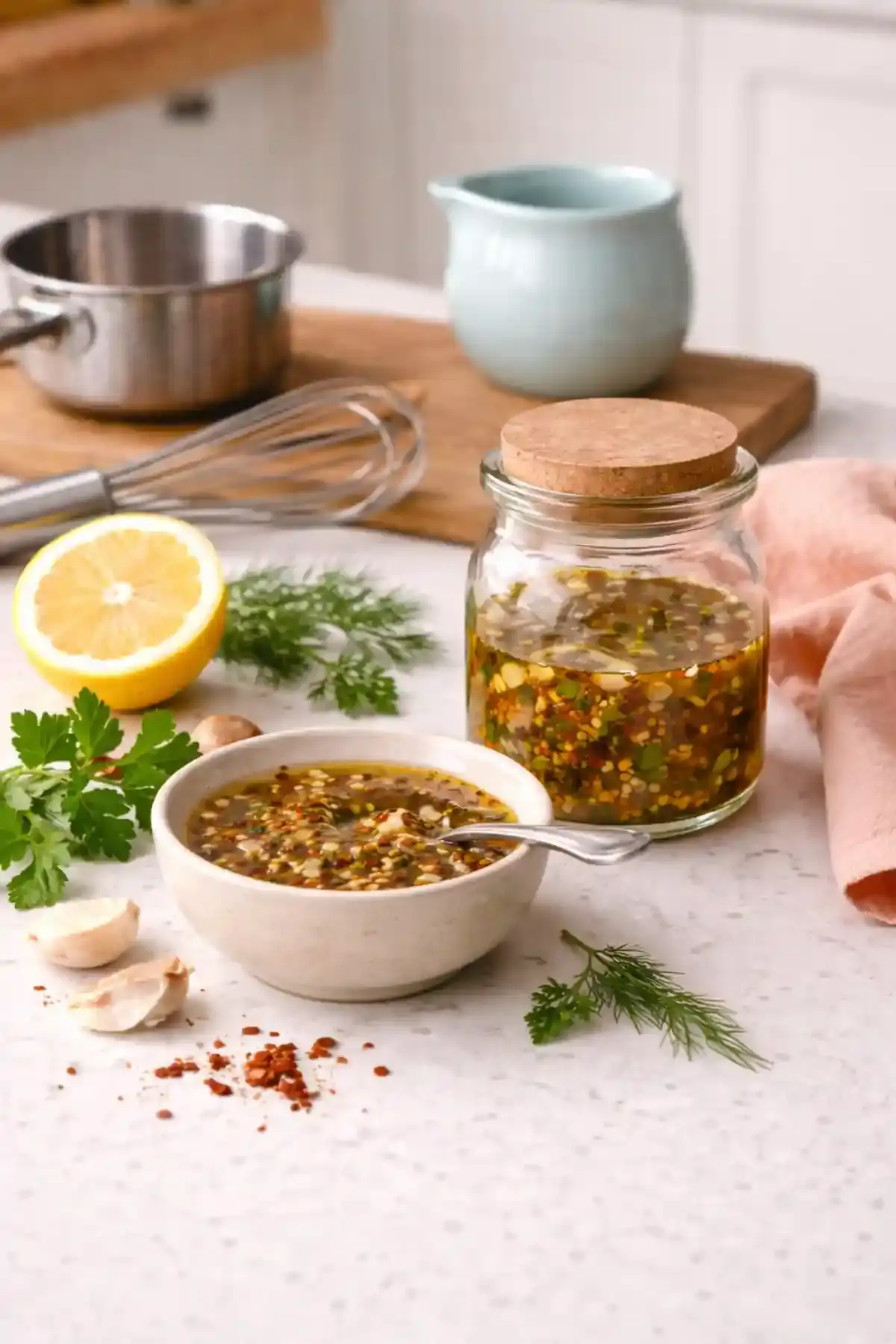
Vinaigrettes are some of the most useful homemade sauces for everyday meals. They usually taste bright, sharp, and fresh. Most often, they work best on salads, grain bowls, sliced vegetables, and simple lunch plates. They are also one of the easiest options for beginners because they need no cooking and adjust easily. A basic lemon vinaigrette is a simple example.
Creamy herb sauces
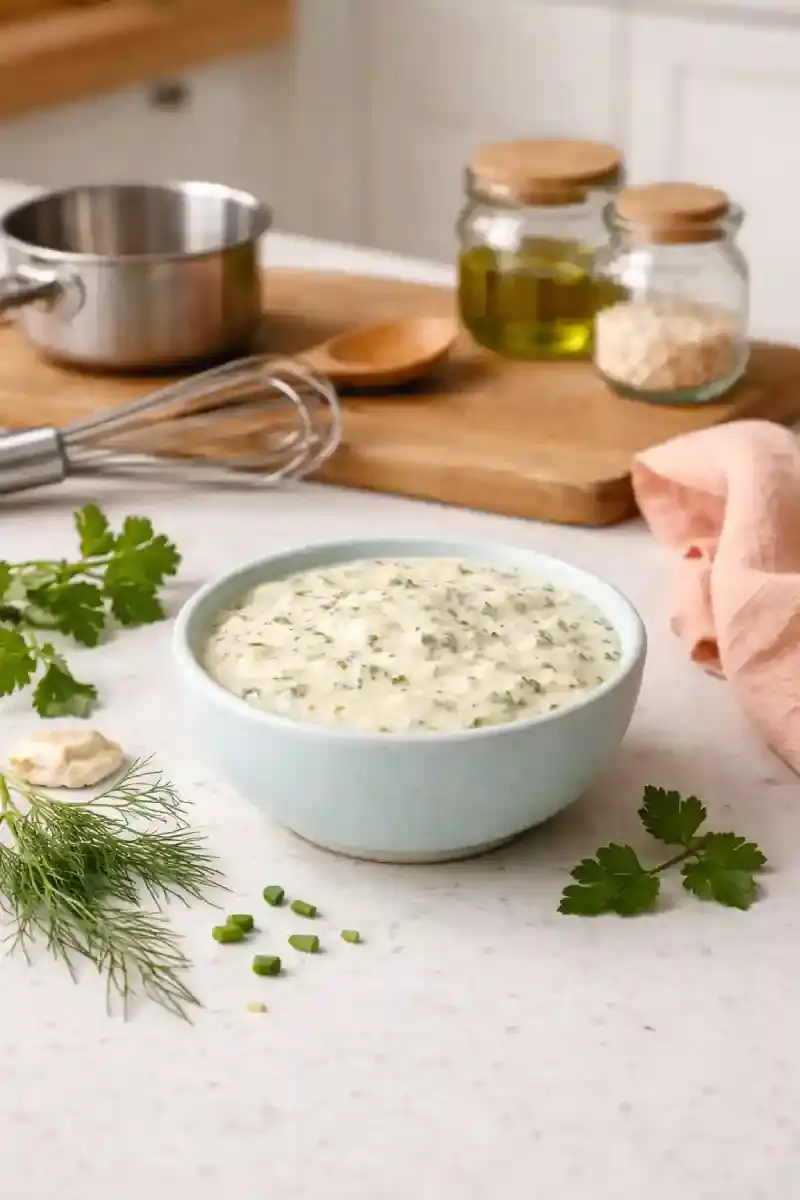
Creamy herb sauces add body while still tasting fresh. They often use yogurt, mayo, sour cream, avocado, or blended herbs. As a result, they work well on roasted vegetables, wraps, grain bowls, and chicken. They are a smart choice when a meal feels dry or needs a smoother finish. For example, a fresh herb dressing works well when you want a creamy finish for vegetables, bowls, or salad-style lunches.
Tomato-based sauces
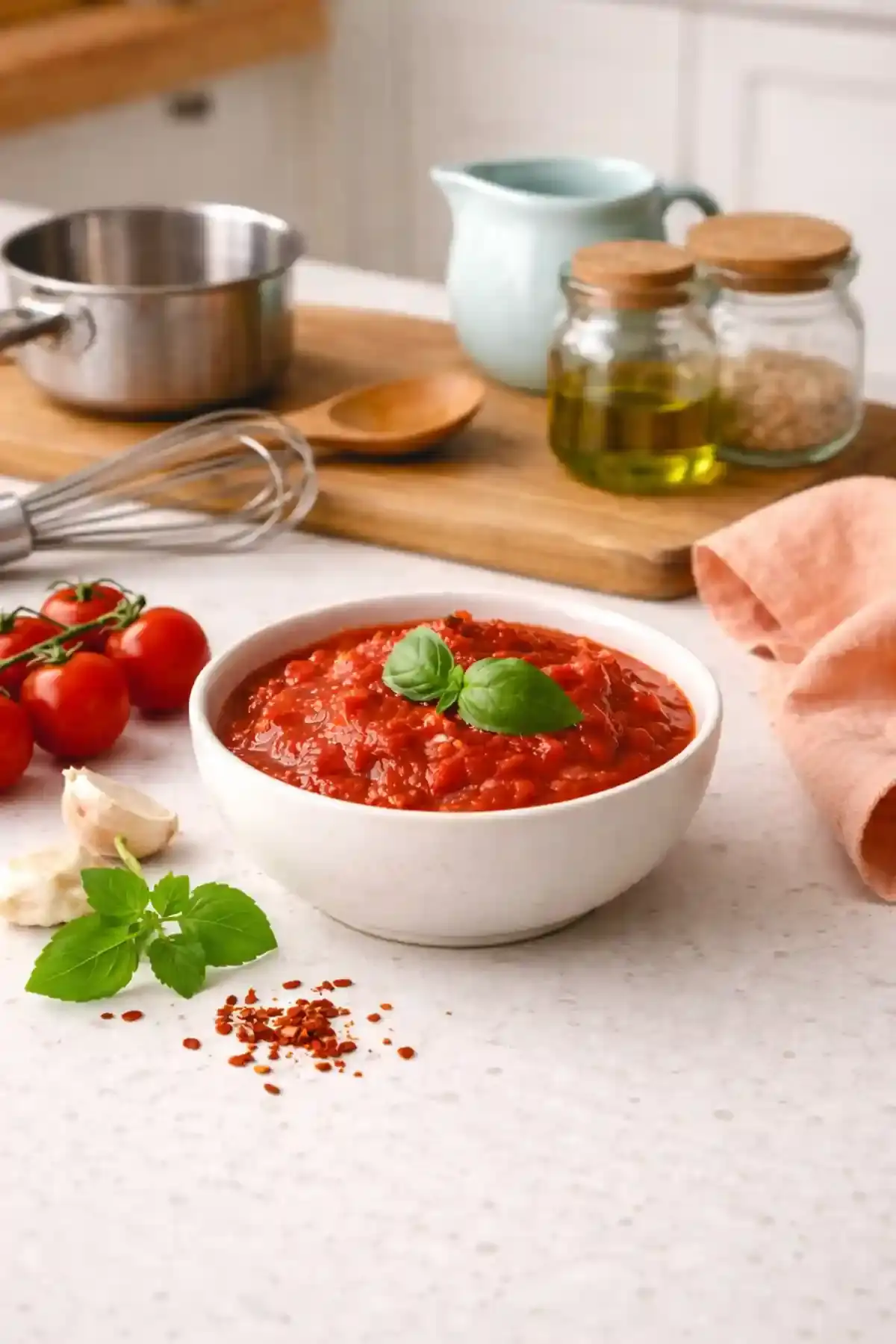
Tomato-based homemade sauces bring savory depth and a more familiar comfort-food flavor. They usually work best with pasta, baked dishes, roasted vegetables, and hearty bowls. In addition, they are beginner-friendly because many home cooks already know the flavor profile well. A simple marinara is the classic example, while a creamy tomato option like palomino sauce offers a smoother finish.
Pan sauces and savory stovetop sauces
Pan sauces form quickly in a skillet after cooking meat or vegetables. They often combine fat, aromatics, broth, lemon juice, mustard, or cream. Because of that, they work especially well with chicken, fish, and simple dinner plates. They are a great beginner choice when you want a fast sauce without making a separate recipe from scratch. A quick lemon-garlic pan sauce is a useful example.
Bold creamy sauces
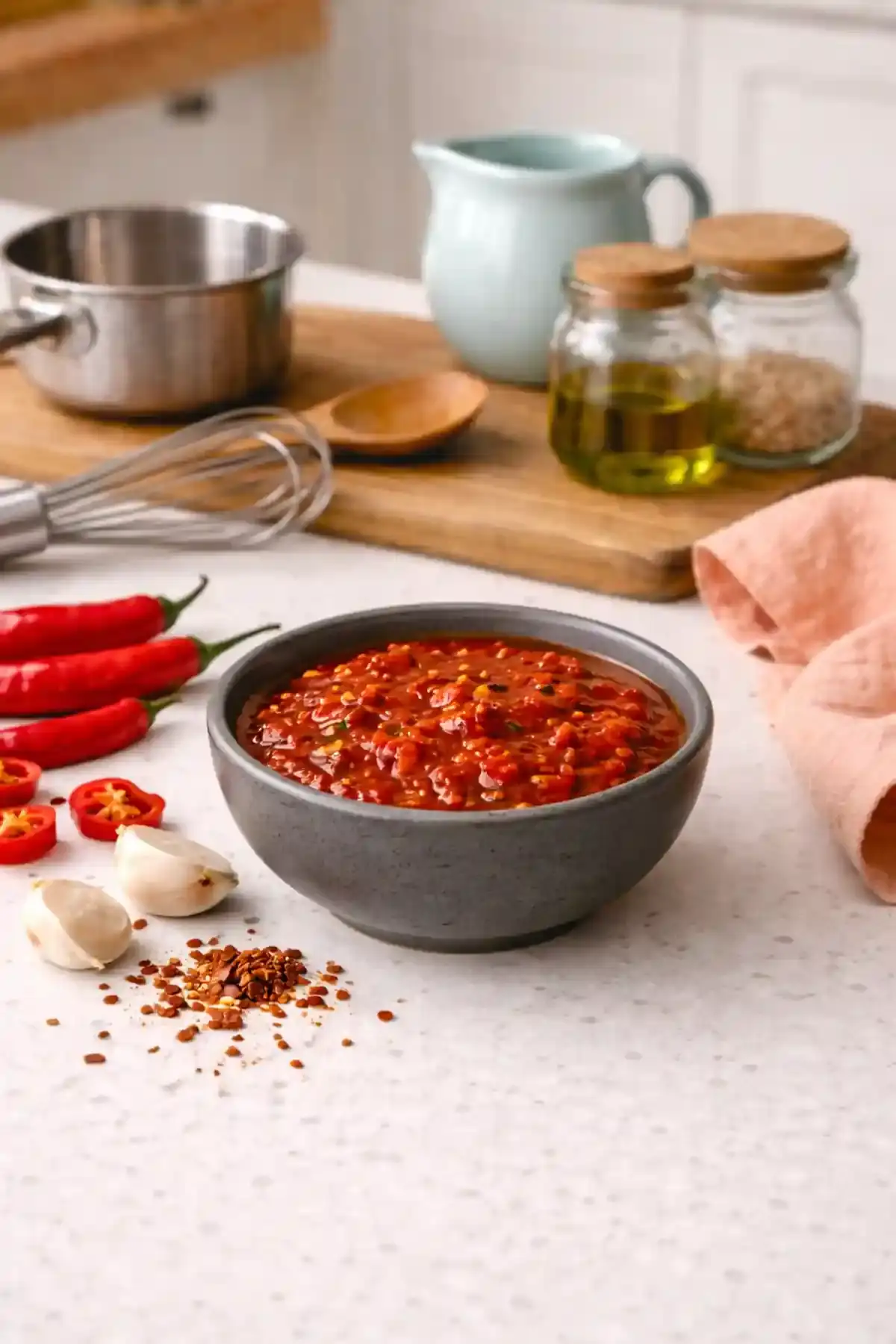
Bold creamy sauces bring stronger flavor and more contrast. They often include heat, sweetness, tang, or extra richness. Therefore, they work well for wraps, bowls, roasted vegetables, and protein-based meals that need a punchier finish. A spicy creamy sauce like bang bang sauce is a good example when you want more intensity without much extra effort.
Specialty sauces
Some homemade sauces do not fit neatly into one simple category. Even so, they can still be very useful when you want a different savory profile or a more specific flavor direction. These sauces often work best when the meal already has a clear style. For example, tram sauce can be a good next step when you want to explore a more distinct sauce option.
Easy Sauce Formulas to Know
A few simple formulas make homemade sauces much easier to understand. Instead of memorizing many recipes, you can learn a small set of patterns. Then, you can adjust them to fit the meal, the ingredients, and the flavor you want. That is one of the most practical parts of learning how sauces work at home.
Basic vinaigrette formula
The easiest formula is a vinaigrette. In most cases, you start with oil and add an acid such as vinegar or lemon juice. Then, you season it with salt and, if needed, mustard, honey, garlic, or herbs. This type of homemade sauce works well for salads, grain bowls, chopped vegetables, and light lunch plates. It is also one of the best places for beginners to start.
Creamy sauce formula
A creamy sauce usually begins with a smooth base. That base can be yogurt, mayo, sour cream, blended avocado, or even a mix of a few ingredients. After that, you add herbs, garlic, citrus, or spices to shape the flavor. These homemade sauces work well when a meal needs more body. For example, they suit roasted vegetables, wraps, chicken bowls, and simple grain bowls.
Tomato sauce formula
A tomato sauce often starts with oil, garlic, onion, or shallots. Next, you add tomato paste, crushed tomatoes, or puree. Then, you season it with salt, herbs, and sometimes a little cream or butter for a softer finish. This is one of the most dependable homemade sauces for pasta, baked dishes, and hearty vegetable dinners.
Pan sauce formula
A pan sauce uses the flavor left in the skillet after cooking. First, you add a little fat if needed. Then, you cook aromatics such as garlic or shallots. Next, you add a liquid like broth, cream, or lemon juice and let it reduce slightly. This kind of sauce is quick, flavorful, and especially useful for chicken, fish, and roasted vegetables.
Bold finishing sauce formula
A bold finishing sauce usually combines a creamy or smooth base with ingredients that add contrast. That can mean heat, sweetness, acidity, or extra savoriness. As a result, these homemade sauces work well when a dish tastes too mild and needs a more noticeable finish. They are often a smart choice for wraps, rice bowls, roasted vegetables, and simple proteins.
Once you understand these basic formulas, homemade sauces feel much less complicated. You do not need to start from zero every time. Instead, you can choose a formula, adjust the flavor, and build a sauce that fits the meal in front of you.
How to Choose the Right Sauce
The easiest way to choose a sauce is by meal type. Start with the dish in front of you and ask what it needs most. Some meals need brightness. Others need richness. Many need both.
Choose by meal weight
Light meals usually need lighter homemade sauces. Salads, raw vegetables, and simple grain bowls often taste better with vinaigrettes or herb-forward dressings. These sauces add freshness without making the meal feel heavy. On the other hand, pasta, roasted vegetables, and baked dishes often need sauces with more body.
Choose by texture
Texture matters just as much as flavor. Thin homemade sauces coat greens and grains well. By contrast, thicker sauces cling better to pasta, roasted vegetables, chicken, and fish. If a meal feels dry, choose a smoother sauce. If a meal already feels rich, choose a looser sauce with more acid.
Choose by flavor balance
The best homemade sauces also fix flavor problems. If a dish tastes flat, choose a sauce with lemon, vinegar, herbs, garlic, or mustard. If a dish tastes too sharp, choose a creamier sauce that softens the edges. Meanwhile, if the meal tastes mild, a bold finishing sauce can add heat, tang, or extra savoriness.
Choose by cooking time
Time also shapes the best choice. A vinaigrette or creamy herb sauce works well when you need something fast. A tomato sauce or pan sauce fits better when you already have a skillet on the stove. The right sauce should fit both the meal and the time you have.
A quick way to decide
If you want a simple shortcut, use this:
- choose bright homemade sauces for salads and lighter meals
- choose creamy homemade sauces for roasted vegetables, wraps, and bowls
- choose tomato or pan sauces for pasta, chicken, and fish
- choose bold finishing sauces when a dish needs more contrast or heat
Once you match the sauce to the dish, the rest gets easier. Homemade sauces then feel less like extra work and more like a smart finishing step.
Best Homemade Sauces for Beginners
The best homemade sauces for beginners are simple, flexible, and easy to fix. They should use familiar ingredients and fit more than one kind of meal. That way, you can practice once and use the same idea again in a different dish. A good guide for home cooks always starts with sauces that feel manageable in a real kitchen.
Start with vinaigrettes
Vinaigrettes are one of the easiest sauces to learn because they need no cooking and help beginners understand balance quickly.These homemade sauces work well for salads, grain bowls, chopped cucumbers, and quick lunch plates.
Try creamy herb sauces next
Creamy herb sauces are another smart starting point. They feel a little richer, yet they still stay easy to make. In most cases, you only need a creamy base, fresh herbs, and one bright ingredient like lemon juice. These homemade sauces work well on roasted vegetables, wraps, bowls, and chicken. They also help when a meal feels dry or plain.
Use simple tomato sauces for hearty meals
Tomato sauces also make sense for beginners. Their flavor feels familiar, so they are easier to adjust. If the sauce tastes flat, you can add salt, garlic, herbs, or a little acid. If it tastes too sharp, you can soften it with butter or cream. These homemade sauces suit pasta, baked dishes, spaghetti squash, and hearty vegetable dinners.
Learn one quick pan sauce
A quick pan sauce is also worth learning early. It teaches you how to build flavor from the skillet instead of starting from scratch. After cooking chicken, fish, or vegetables, you can use the same pan for a fast sauce with broth, lemon, or cream. As a result, making sauce feels more practical and less like extra work.
Keep the first few sauces forgiving
Beginner-friendly homemade sauces should stay easy to adjust. A sauce that feels too thick can be thinned with a little liquid. When the flavor seems flat, a touch of acid can brighten it. A strong sauce often becomes smoother with more fat or a bit more base. For that reason, the best homemade sauces for beginners are not just simple. They are also flexible enough to help you build confidence.
Homemade Sauces for Salads and Lighter Meals
Homemade sauces for salads and lighter meals should taste fresh, balanced, and easy to use. In most cases, these meals do not need a heavy finish. Instead, they need brightness, a little richness, and enough flavor to bring the ingredients together. That is where a good sauce guide becomes especially useful.
Choose bright sauces for fresh ingredients
Salads, sliced vegetables, and simple lunch plates usually need homemade sauces with acid first. Lemon juice and vinegar help greens, cucumbers, and crunchy vegetables taste more vivid. At the same time, oil softens that sharpness and helps the dressing coat everything more evenly. As a result, vinaigrettes remain some of the most useful homemade sauces for lighter meals.
Use creamy dressings when the meal needs more body
Some lighter meals need more than acidity. Grain bowls, wraps, and vegetable plates often need a dressing with a little more body. Grain bowls, wraps, and vegetable plates often taste better with a creamier dressing. In that case, a herb-based dressing can add enough creaminess to coat grains or vegetables without making the meal feel heavy. For example, green goddess dressing works well when you want a fresh but creamy finish for vegetables, bowls, or salad-style lunches.
Match sauce texture to the meal
Thin homemade sauces work best when you want to toss greens or drizzle over grains. Meanwhile, a slightly thicker dressing works better for wraps, chopped salads, or roasted vegetables served warm. If the sauce is too thick, it can weigh down the meal. If it is too thin, it may disappear. So, texture matters just as much as flavor when choosing the right sauce.
Think about real lunch and dinner use
A quick salad lunch often needs a simple vinaigrette. A vegetable bowl with grains may need a creamy herb dressing instead. A fresh shredded salad often tastes better with a dressing that softens the vegetables slightly while adding a brighter finish. For instance, a light dressing pairs naturally with this carrot ribbon salad because it supports the texture without taking over the dish.
Keep the flavor clean and flexible
For lighter meals, the best homemade sauces usually taste clean and adaptable. They should lift the vegetables and grains, not bury them under a heavy flavor. Therefore, lemony vinaigrettes, yogurt-based dressings, and herb sauces are often better choices than very sweet or very heavy options. These are the sauces that help simple meals feel fresh, balanced, and easy to repeat.
Homemade Sauces for Roasted Vegetables and Grain Bowls
Roasted vegetables and grain bowls need sauces that do more than add moisture. They should also bring contrast to sweet roasted flavors and enough texture to coat warm ingredients well. They should also bring contrast, balance, and enough texture to connect the whole meal. In many cases, the vegetables taste sweet and earthy, while the grains feel mild and filling. The right sauce helps the grains, vegetables, and toppings taste like one finished dish instead of separate parts. That is why this part of the guide matters so much.
Choose creamy sauces for warmth and body
Creamy sauces work especially well here because they cling better to roasted vegetables and warm grains. They add richness and help the sauce coat squash, cauliflower, chickpeas, and grains more evenly. This works especially well with roasted carrots, squash, cauliflower, sweet potatoes, and chickpeas. If the meal feels dry or unfinished, a creamy herb sauce can fix that quickly.
Use bright sauces when the bowl feels heavy
Not every grain bowl needs a rich finish. Sometimes the meal already has enough weight from rice, quinoa, beans, or roasted vegetables. In that case, brighter homemade sauces often work better. A vinaigrette or lemony herb sauce can cut through a heavier bowl and keep the roasted flavors tasting brighter. As a result, the meal tastes fresher and more balanced.
Match the sauce to the main ingredient
The main ingredient should guide the sauce choice. Roasted root vegetables usually pair well with creamy or savory homemade sauces. By contrast, bowls built around greens, cucumbers, or lighter grains often taste better with thinner, brighter sauces. If the bowl includes warm and cool ingredients together, a medium-texture sauce often gives the best result.
Think about everyday meal examples
A bowl with quinoa, roasted broccoli, and chickpeas may need a creamy herb sauce. A tray of roasted vegetables with brown rice may taste better with a lemony vinaigrette. A warm vegetable dinner can also benefit from a smoother tomato-based option when you want more comfort. Even a simple spaghetti squash recipe shows how much sauce choice shapes the final texture and flavor of a vegetable-based meal.
Keep the finish flexible
The best homemade sauces for roasted vegetables and grain bowls stay flexible. You should be able to drizzle them, spoon them, or toss them in without much trouble. That is why medium-thick homemade sauces often work best here. They add enough body to matter, yet they still spread easily across the meal. In practical home cooking, these are some of the most useful sauces to learn first.
Homemade Sauces for Pasta, Chicken, and Fish
Homemade sauces for pasta, chicken, and fish need the right balance of body and flavor. These meals often feel more complete when the sauce matches the texture of the main ingredient. A good sauce guide makes that choice easier. It helps you decide when to go rich, when to stay light, and when to add more contrast.
Choose tomato sauces for pasta night
Tomato-based homemade sauces are some of the best options for pasta. They coat noodles well and bring savory depth without much fuss. In many cases, they also give the meal a familiar, comforting finish. A smoother tomato sauce with a creamier texture can work especially well for pasta dinners and hearty bowls.
Use bold sauces when the dish needs more contrast
Some pasta dishes and protein-based meals need a stronger finish. That is where bold homemade sauces come in. A spicy or tangy sauce can wake up a mild chicken bowl, a simple wrap, or roasted vegetables served with protein. For example, a spicy creamy sauce works well when you want more heat and a smoother finish at the same time.
Match pan sauces to chicken and fish
Chicken and fish often do best with lighter homemade sauces made in the pan. A quick sauce with broth, lemon, garlic, butter, or herbs can add flavor without covering the main ingredient. This works especially well on busy nights because you can build the sauce while the protein rests. As a result, sauce-making feels practical and fast rather than complicated.
Use the meal style to guide the sauce
The style of the meal matters too. A creamy pasta needs a sauce with enough body to cling. A grilled chicken plate may need a lighter pan sauce or herb dressing instead. Fish often tastes best with homemade sauces that stay bright and clean. If the sauce feels too heavy, it can hide the main flavor. If it feels too thin, it may not add enough.
Think in real dinner examples
A weeknight pasta dinner usually pairs well with tomato-based homemade sauces. A chicken rice bowl may need a creamy herb or spicy finishing sauce. A piece of baked fish often tastes better with a lighter lemony sauce. If you want a more distinct flavor direction for a savory plate, a specialty sauce can be a useful next step.
Homemade Sauces for Meal Prep
Homemade sauces can make meal prep much easier. A good sauce helps rice, roasted vegetables, chicken, or greens feel less repetitive during the week. It can also turn one base meal into several different lunches or dinners.
Choose sauces that hold well
Some homemade sauces stay fresh and smooth longer than others. Vinaigrettes usually hold up well in the fridge for short-term use. Many creamy herb sauces also work for meal prep, especially in a sealed container. More delicate sauces often taste better the day you make them, so storage quality should shape your choice.
Use one sauce in more than one meal
The best meal prep sauces work across several dishes. A vinaigrette can go on salads one day and grain bowls the next. A creamy herb sauce can work with roasted vegetables, wraps, or chicken. Meanwhile, a tomato-based sauce can move from pasta to stuffed vegetables or a warm grain bowl. This flexibility makes sauces much more useful in real life.
Portion sauces separately
For best results, store homemade sauces separately from the meal when possible. This keeps greens from getting soggy, helps warm dishes hold their texture, and gives you more control over the final flavor.
Build simple meal prep combinations
A few practical combinations can save time. A grain bowl with roasted vegetables can use a creamy herb sauce one day and a vinaigrette the next. A simple chicken lunch can also feel different with a bold finishing sauce instead of a lighter dressing. Readers looking for more everyday meal ideas can browse these low calorie recipes for additional pairings.
Keep meal prep realistic
Meal prep sauces should make cooking easier, not more complicated. The most useful ones are often the simplest. If a sauce stores well, works with more than one meal, and makes familiar ingredients taste fresher or richer, it is worth making again.
How to Make a Basic Homemade Sauce
A basic sauce does not need to be complicated. In fact, many homemade sauces follow the same simple pattern. You start with a base, add flavor, adjust the texture, and finish with seasoning. Once you learn that pattern, making sauces at home feels much simpler.
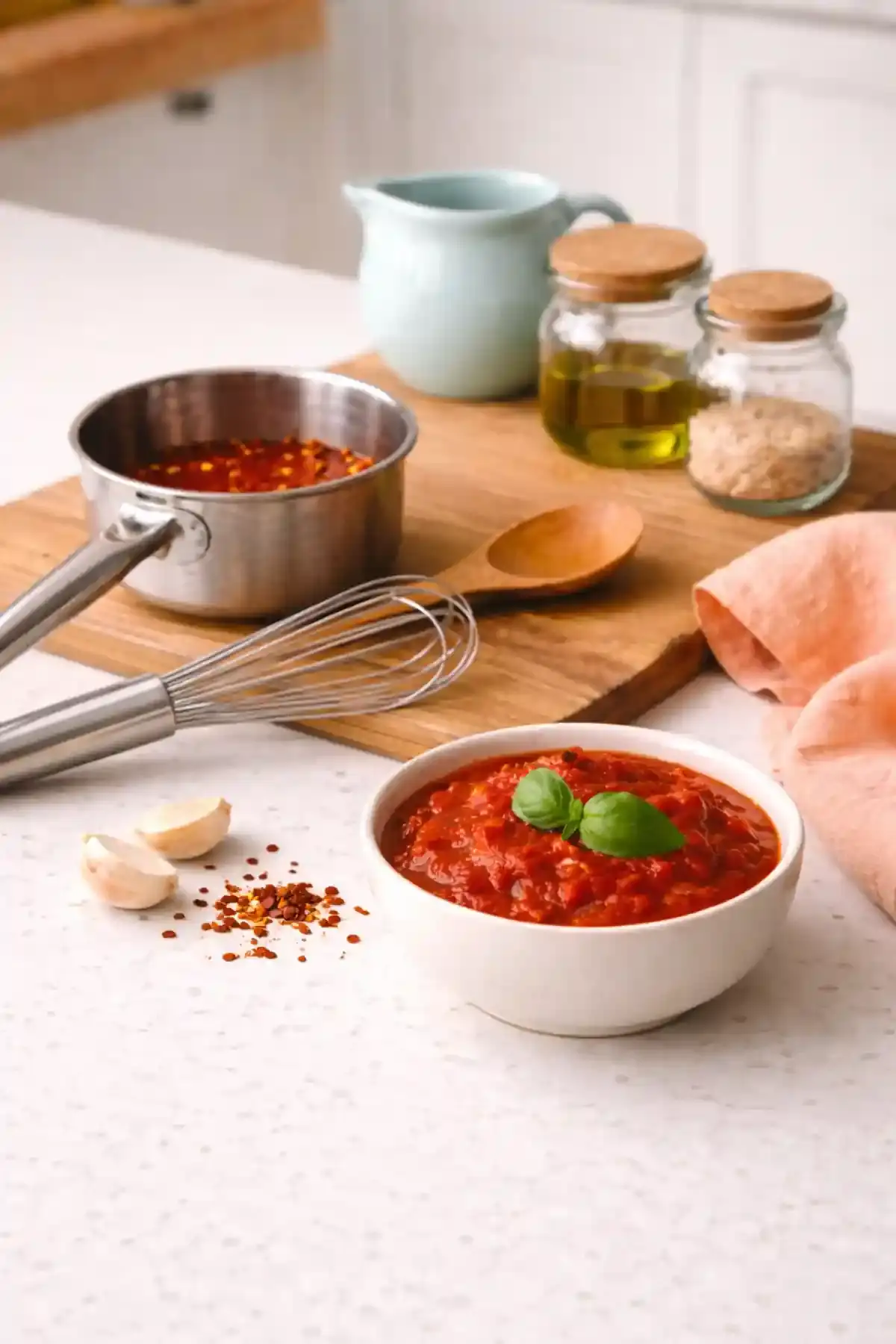
Step 1: Start with a base
Every sauce needs a starting point. For cold homemade sauces, that base might be oil, yogurt, mayo, or blended vegetables. For warm sauces, it might be butter, olive oil, cooking juices, broth, cream, or tomatoes. The base shapes both the texture and the flavor, so it is the first decision to make.
Step 2: Add flavor builders
Next, add the ingredients that give the sauce character. Garlic, shallots, herbs, mustard, lemon juice, vinegar, tomato paste, and spices all help. Some ingredients add brightness. Others add depth or savoriness. In many homemade sauces, this step is what changes a plain base into something useful and memorable.
Step 3: Adjust the texture
Then, look at texture. If the sauce seems too thick, add a small amount of water, broth, cream, or lemon juice, depending on the type. If it seems too thin, reduce it gently on the stove or use a thicker base. This step matters because texture often decides whether the sauce coats the meal well or slides off.
Step 4: Taste and balance
Taste the sauce before serving it. When the flavor seems flat, add a little acid, salt, or fresh herbs. A sharp sauce often needs more fat or a bit more base to soften it. For a sauce that tastes too mild, add a stronger ingredient in a small amount. In most cases, the best homemade sauces come together through small adjustments, not one big change.
Step 5: Match the sauce to the meal
Finally, use the sauce where it makes sense. A loose vinaigrette suits greens and grain bowls. A creamy sauce works better on roasted vegetables, wraps, or chicken. A tomato sauce fits pasta or hearty vegetable dishes. This is where sauce-making becomes practical. You not only make the sauce well, but you also use it in the right way.
Sauce Storage and Reheating Tips
Homemade sauces stay more useful when you store them the right way. Good storage helps protect texture, flavor, and consistency. It also makes homemade sauces easier to use for lunch, dinner, and meal prep during the week. That is why storage matters in any practical sauce guide.
Store sauces in clean, sealed containers
Start with a clean jar or sealed container. This helps sauces stay fresher and easier to portion. Small containers often work best because they let you store sauces in practical amounts. As a result, you can grab only what you need without opening the whole batch each time.
Keep cold sauces separate from meals
Cold homemade sauces usually hold up best when you store them away from the meal. This matters most for salads, grain bowls, and wraps. If you mix the sauce in too early, greens can wilt and vegetables can lose texture. So, it is often better to dress the meal just before serving.
Reheat warm sauces gently
Warm homemade sauces usually reheat best over low heat. Stir them often so they warm evenly. If the sauce thickens too much, add a small splash of water, broth, milk, or cream, depending on the sauce. Gentle reheating helps the sauce stay smooth and keeps the flavor more balanced.
Expect some sauces to change after chilling
Some homemade sauces thicken in the fridge. Others may separate a little after chilling. This is normal in many cases. Before serving, stir the sauce well and check the texture. If needed, loosen it with a small amount of liquid or let it sit at room temperature for a short time.
Keep storage practical and meal-focused
The best homemade sauces for storage are the ones you can use easily more than once. A vinaigrette may work for salads and bowls. A creamy herb sauce may fit wraps, roasted vegetables, or chicken. A tomato sauce may carry over into pasta night or a vegetable dinner. Even simple kitchen habits can support better meal flow, which is why ideas like this cucumber pan grease hack can still help make everyday cooking feel more efficient.
Simple Sauce Troubleshooting Tips
Even the best homemade sauces need small adjustments sometimes. A sauce can turn out too thick, too thin, too sharp, or a little flat. The good news is that most sauce problems are easy to fix. That is another reason sauce basics are so useful in a real kitchen. They help you adjust instead of starting over.
If the sauce is too thick
A thick sauce usually needs a little more liquid. Add a small splash of water, broth, milk, cream, or lemon juice, depending on the sauce. Then stir well and check again. It is better to thin homemade sauces slowly than to add too much at once.
If the sauce is too thin
A thin sauce often needs more time or a thicker base. For warm homemade sauces, simmer gently so some liquid cooks off. For cold sauces, add a little more yogurt, mayo, mustard, or blended ingredient, depending on the style. This helps the sauce cling better to pasta, vegetables, chicken, or fish.
If the sauce tastes too salty
If a sauce tastes too salty, do not add more seasoning. Instead, soften the flavor with more base. You can add a little cream, yogurt, oil, tomato, or unsalted broth, depending on the sauce. In some cases, serving the sauce over a larger portion of food also helps balance it.
If the sauce tastes too acidic
A sauce that tastes too sharp often needs something smoother. Try a little oil, butter, cream, yogurt, or another mild ingredient that fits the recipe. Add only a small amount at first. Then taste again. This is one of the most common fixes in homemade sauces.
If the sauce tastes flat
A flat sauce usually needs brightness, salt, or a stronger flavor builder. A few drops of lemon juice or vinegar can help. Fresh herbs, garlic, mustard, or black pepper can also wake it up. In a homemade sauces guide, this is one of the most useful fixes to know because many sauces need a final lift before serving.
If the sauce separates after chilling or reheating
Some homemade sauces separate a little after they rest. When that happens, stir or whisk the sauce first. If needed, warm it gently or let it sit at room temperature for a short time. For cold sauces, a quick stir often solves the problem. For warm sauces, low heat usually works better than strong heat.
Quick Comparison Table of Featured Sauces
A quick table makes a homemade sauces guide easier to use. It helps you compare sauce styles at a glance. It also helps you choose faster when dinner is already underway. As a result, you can match the sauce to the meal without overthinking it.
| Sauce type | Best for | Flavor profile | Texture | Beginner friendly | Meal prep use |
|---|---|---|---|---|---|
| Vinaigrette | Salads, grain bowls, raw vegetables | Bright, fresh, balanced | Light and pourable | Yes | Very good |
| Creamy herb sauce | Roasted vegetables, wraps, lighter bowls | Fresh, savory, smooth | Creamy | Yes | Good |
| Tomato-based sauce | Pasta, baked dishes, hearty bowls | Savory, rounded, familiar | Medium to thick | Yes | Good |
| Pan sauce | Chicken, fish, quick skillet meals | Light, savory, layered | Light to medium | Yes | Moderate |
| Bold finishing sauce | Bowls, wraps, roasted vegetables, proteins | Tangy, creamy, stronger flavor | Medium to thick | Moderate | Good |
This comparison works well in a homemade sauces guide because it shows what each sauce does best. So, instead of guessing, you can look at the meal, check the texture you want, and choose the most useful option.
Featured Sauce Recipes to Try Next
Once you understand the main categories, choosing the next sauce gets easier. The best option depends on the meal you want to make. Some homemade sauces work best with salads and lighter lunches. Others suit pasta, roasted vegetables, or protein-based dinners. A good guide helps you move from broad ideas to a more confident next choice.
Start with the meal, not the sauce name
It helps to begin with the food in front of you. If you are making a salad or grain bowl, a vinaigrette or creamy herb sauce often makes the most sense. If dinner includes pasta or roasted vegetables, a tomato-based sauce may be a better fit. For chicken or fish, a light pan sauce often works best. This simple method keeps homemade sauces practical and easier to use.
Pick one familiar option first
If you are unsure where to begin, choose a sauce style that already feels familiar. Many home cooks start with vinaigrettes because they are fast and flexible. Others prefer tomato sauces because they fit pasta and hearty meals so well. Creamy sauces also make a strong starting point when the meal needs more body. In everyday cooking, these familiar options often become the most useful repeat choices.
Use contrast to guide the next step
Contrast can also help you decide. When a meal feels heavy, brighter homemade sauces with lemon, vinegar, or herbs often work best. A creamier or smoother sauce usually helps when the dish feels dry or plain. For milder foods, a stronger finishing sauce can add the extra lift they need. As a result, these small choices can make a simple meal taste much more complete.
Build confidence by repeating what works
You do not need to master every sauce at once. Instead, learn a few homemade sauces that fit the meals you cook most often. Then repeat them until the process feels natural. Over time, you can adjust the same basic ideas for bowls, wraps, vegetables, pasta, chicken, or fish. That is one of the most useful parts of learning sauces at home. It turns sauce-making into a repeatable kitchen skill.
Homemade Sauce FAQs
What are the easiest homemade sauces to start with?
The easiest homemade sauces are usually vinaigrettes, creamy herb sauces, simple tomato sauces, and quick pan sauces. They use familiar ingredients, and they fit many meals. Just as important, you can adjust them easily if the flavor or texture feels off. That makes them ideal for beginners.
Which homemade sauces work best for salads and lighter meals?
For salads and lighter meals, bright homemade sauces usually work best. Vinaigrettes, lemon dressings, and creamy herb sauces can brighten greens, coat grains lightly, and add freshness without weighing the meal down. In most cases, they pair well with greens, raw vegetables, grains, and simple wraps.
What homemade sauces go best with pasta?
Tomato-based sauces are one of the best choices for pasta because they add savory depth and cling well to noodles. Creamier sauces also work well when the pasta needs a smoother, richer finish. If you want a balanced tomato option with a smoother finish, a creamy tomato sauce can be a very practical choice.
How do I choose the right homemade sauce for chicken or fish?
Start with the weight of the meal. Chicken and fish often work well with lighter homemade sauces such as pan sauces, lemony dressings, or herb-based sauces. However, if the rest of the meal feels mild, a bolder finishing sauce can also work. The key is to support the protein without covering its flavor too much.
Which homemade sauces are best for meal prep?
The best homemade sauces for meal prep are the ones that store well and fit more than one meal. Vinaigrettes often work very well. Many creamy herb sauces also hold up nicely for short-term use. Meanwhile, tomato-based homemade sauces can move easily from pasta to vegetables or grain bowls during the week.
How do I fix homemade sauces that taste flat?
If homemade sauces taste flat, they usually need more brightness, salt, or a stronger flavor builder. A little lemon juice or vinegar can help. Fresh herbs, garlic, mustard, or black pepper can also improve the flavor. It is usually better to adjust in small amounts and taste again.
Why are homemade sauces useful in everyday cooking?
Homemade sauces help simple meals taste more finished, especially when a plate needs moisture, contrast, or a richer final layer. They can add moisture, contrast, richness, or freshness, depending on the dish. They also make it easier to repeat familiar meals without making them feel boring. That is why a strong sauce guide can be so practical for everyday cooking.
Final Thoughts
A strong homemade sauces guide makes everyday cooking easier. It helps you choose the right sauce for the meal, understand what each sauce does, and fix common problems without much stress. Over time, a few reliable homemade sauces can make salads fresher, vegetables more satisfying, pasta more complete, and simple proteins much easier to enjoy.
The most useful homemade sauces are not always the most complex. In many kitchens, the best ones are the sauces you can make again without much effort. A vinaigrette, a creamy herb sauce, a tomato sauce, and a quick pan sauce already give you a lot of range. Because of that, a practical homemade sauces guide is less about collecting dozens of ideas and more about learning a few smart patterns that really work.
Start with the meals you cook most often. Then choose a few sauces that fit those meals well. Repeat them, adjust them, and make them your own. That simple approach builds confidence, improves everyday cooking, and makes sauce-making feel like a natural part of the way you cook.

