
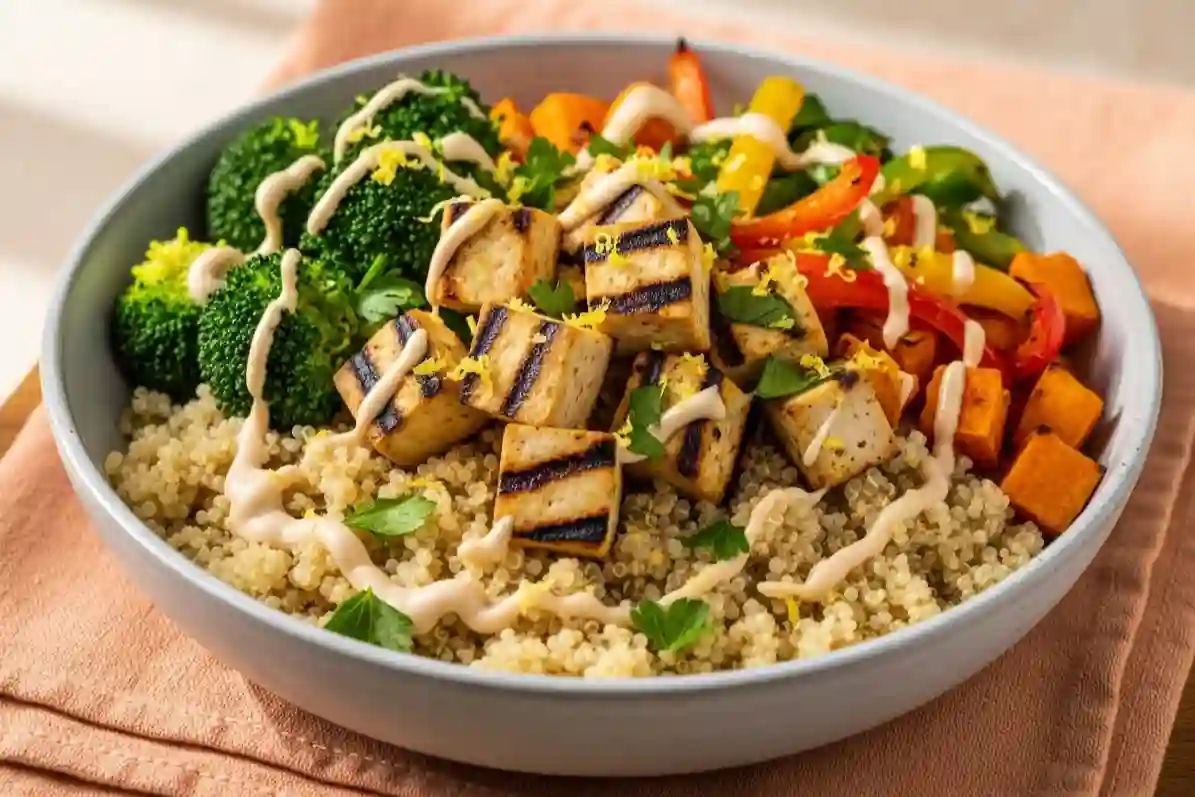
I still remember the moment I decided to switch to low calorie recipes. I was standing in my kitchen, holding yet another flavorless “diet” meal I didn’t want to eat. It wasn’t just about losing weight, it was about finding food that felt good and tasted amazing. That’s when I started experimenting.
Over time, I created a list of go-to low calorie recipes that actually satisfy. These meals helped me eat lighter without giving up the comfort and joy I love in food. And today, I’m sharing them with you, because you deserve meals that work as hard as you do.
What Counts as a Low Calorie Meal?
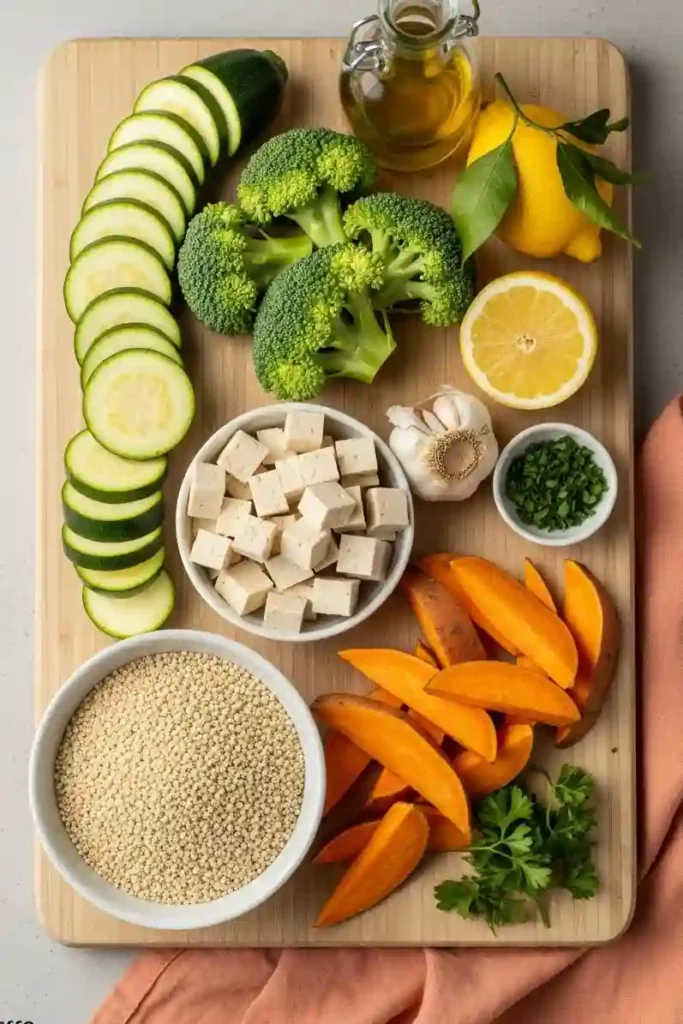
In the simplest terms, a low calorie meal usually falls between 200 and 500 calories per serving. While this range may seem narrow, it actually gives you enough room to include fiber-rich vegetables, lean proteins, and even healthy fats, without going over your daily energy needs.
Why 300-500 Calories Works So Well
For most adults, a 500-calorie dinner tends to strike the ideal balance. Not only does it offer satisfying portions, but it also provides enough flexibility for lighter meals and small snacks throughout the rest of the day. Moreover, several studies indicate that staying within this range supports energy regulation, fat loss, and muscle preservation.
Rather than simply restricting calories, it’s smarter to focus on food quality and structure. That’s exactly where volume-based eating comes in. By incorporating water-rich, fiber-dense ingredients like steamed broccoli, leafy greens, or roasted squash, you can build meals that feel abundant. As a result, you’ll stay fuller longer, without increasing your calorie intake.
To start with, lean proteins like chicken, tofu, or seafood help keep you full and satisfied for longer. Although fats contain more calories, using small portions of healthy options like avocado, olive oil, or tahini still adds great flavor and richness. In addition, bold ingredients such as garlic, vinegar, citrus zest, or warming spices enhance every bite. As a result, your low-calorie meal becomes not only nourishing but also exciting to eat.
Pro Tip: Staying full isn’t just about how much you eat, it’s about what’s on your plate. Fiber and protein slow digestion, which helps prevent cravings later on.
What to Look For in a Low Calorie Meal
Whenever I create or test a new recipe, I look for these qualities:
- Calories: 200-500
- Protein: 15-30g
- Fiber: 5g or more
- Cook time: Ideally under 20 minutes
- Satisfaction: Visually filling, flavor-forward, and balanced
If you’re just getting started, try something simple yet flavorful, like my steamed broccoli recipe. It uses just a few ingredients, yet the lemon zest and garlic make it shine.
Simple Ways to Cook Low Calorie Meals at Home
Creating delicious, low calorie recipes doesn’t have to be difficult. Follow these simple steps to build balanced, flavorful meals without going over your calorie goals.
- Choose Your Lean Protein
Start with a filling protein that’s naturally low in fat. Good options include:
– Grilled chicken breast
– White fish like cod or tilapia
– Extra-firm tofu or tempeh
– Egg whites or a soft-boiled egg
These help you stay full longer and stabilize energy. - Load Up on Non-Starchy Veggies
Next, add lots of volume using vegetables that are high in fiber but low in calories. Think:
– Zucchini
– Broccoli
– Spinach
– Cauliflower
– Cabbage
Steam, roast, or stir-fry them with minimal oil for flavor without excess fat. - Add a Smart Carb (Optional)
If you need more energy, include a small serving of slow-digesting carbs:
– Quinoa
– Sweet potato cubes
– Lentils or black beans
– Brown rice (¼ to ½ cup)
Stick to portion control to keep calories in check. - Use Bold, Low-Calorie Flavor Boosts
This is where the magic happens. Skip heavy sauces and try:
– Fresh herbs (cilantro, basil, mint)
– Citrus zest or juice
– Spices (cumin, smoked paprika, chili flakes)
– Light dressings like chimichurri or tahini with lemon
These add complexity without the extra calories. - Plate & Adjust
Serve everything in a bowl or plate with balance. If it feels too plain, add a teaspoon of healthy fat (olive oil, nuts) to improve mouthfeel.
25+ Best Low Calorie Recipes by Type
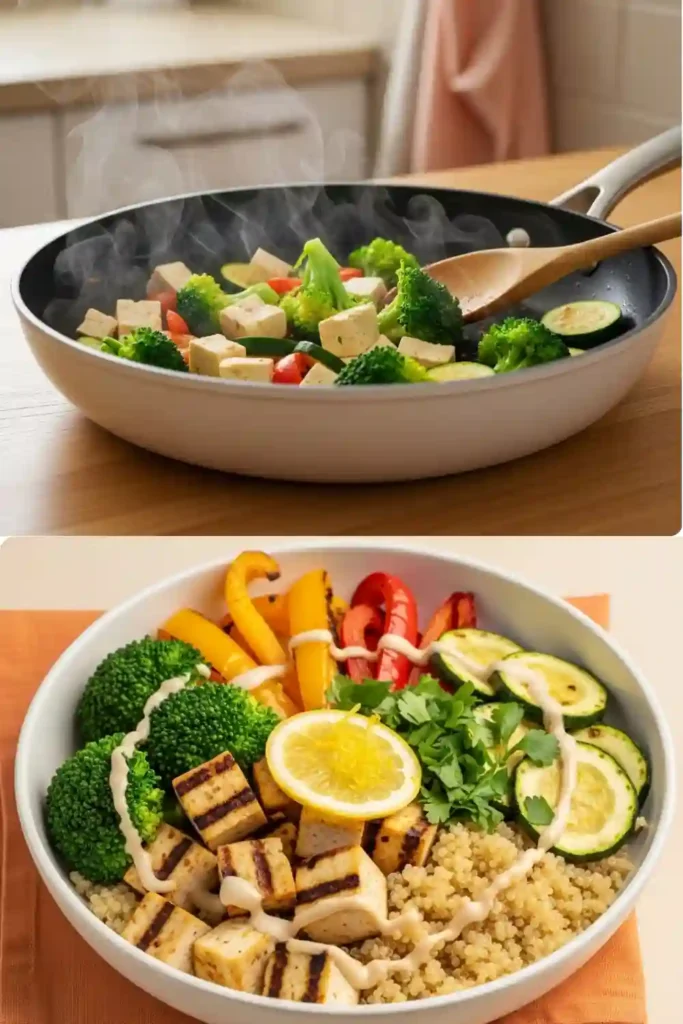
Over the years, I’ve tested dozens of low calorie recipes, some for clients, others for myself. These are the ones I return to again and again. To help you navigate more easily, I’ve grouped them by type. That way, you can jump straight to what matches your needs. If you also want something fun to sip with your meal, check out my viral drinks guide that actually works at home.
Each recipe is:
- Under 500 calories
- Full of flavor
- Designed for real-life routines
- Built to satisfy and energize
If you’re unsure where to begin, start with one from each category. This way, you’ll find your personal favorites and avoid boredom.
High Protein Low Calorie Recipes
When staying full matters, protein is essential. As a result, these meals center around lean meats, legumes, or eggs.
- Grilled chicken bowl with herbed yogurt sauce
- Spicy tuna lettuce wraps
- Scrambled egg white tacos with salsa verde
- Lentil-stuffed sweet potatoes
- Miso-glazed salmon with bok choy
For example, this hamachi crudo is high in protein and low in prep time.
Low Calorie Comfort Food
Although comfort food is usually heavy, it doesn’t have to derail your goals. Instead, these meals give you warmth and flavor, without the calorie spike.
- Light turkey chili with black beans
- Cauliflower mac and cheese
- Baked zucchini lasagna rolls
- Creamy carrot soup with ginger
- Chicken pot pie (phyllo crust version)
In addition, this carrot ribbon salad adds a crunchy, flavorful twist.
Quick Low Calorie Recipes (10 Min or Less)
Sometimes, time is your biggest obstacle. In those cases, these quick recipes make healthy eating effortless.
- Egg white scramble with greens and feta
- Tuna cucumber boats with spicy mayo
- Avocado toast with lemon and hemp seeds
- Cottage cheese with berries and flax
- Greek yogurt ranch veggie wrap
Finish your meal with a refreshing mango turmeric smoothie for a bright, nutritious touch.
Under 300 Calorie Dinners
While most dinners aim for 400-500 calories, these options stay under 300. As a result, they leave room for sides or snacks.
- Garlic lemon shrimp with roasted asparagus
- Vegetable miso soup
- Seared tofu over spiralized zucchini noodles
- Eggplant boats with tomato & chickpea filling
- Thai cucumber salad with peanuts
Vegetarian & Vegan Low Calorie Recipes
If you’re leaning plant-based, these meals keep things fresh and fiber-rich. They avoid heavy oils and focus on whole foods.
- Chickpea spinach curry
- Roasted vegetable quinoa bowls
- Vegan lentil soup with turmeric
- Air-fried cauliflower tacos
- Zucchini noodle stir-fry with tofu
Meanwhile, this steamed broccoli is a simple side that pairs with anything.
Low Calorie Meal Prep Ideas
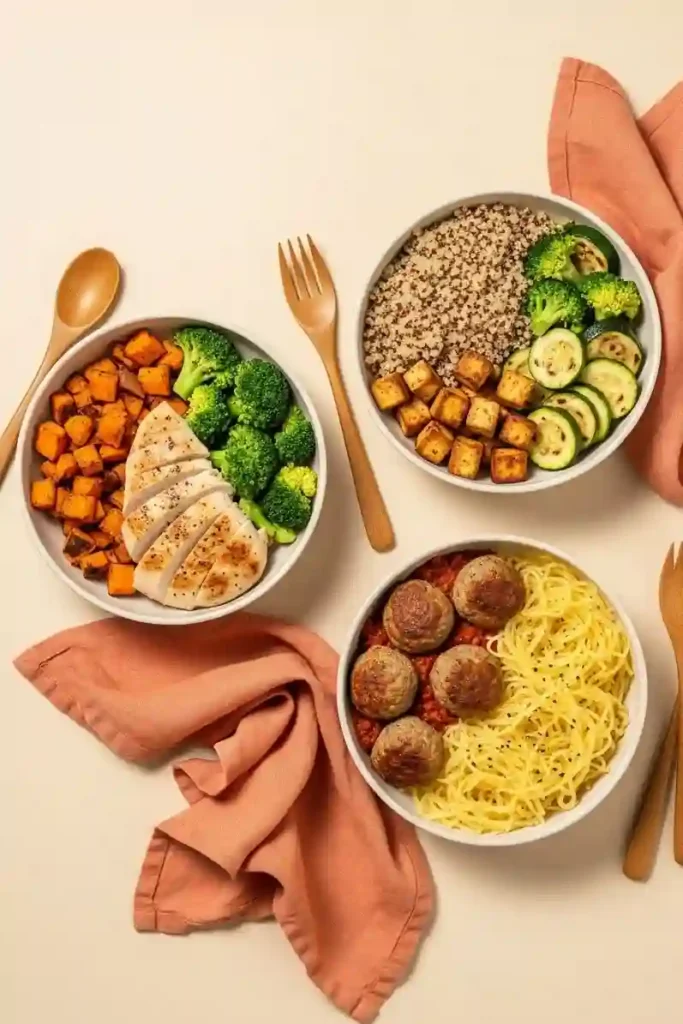
When your schedule gets full, prep-friendly meals make all the difference. That’s why these recipes hold up beautifully all week.
- Mason jar taco salads
- Grilled chicken and roasted vegetable boxes
- Egg muffin cups with spinach and mushrooms
- Brown rice & bean bowls with salsa verde
- Turkey meatballs with marinara and spaghetti squash
Additionally, visit our spaghetti squash recipes for more batch-ready ideas.
Low Calorie Air Fryer Recipes
Whenever you’re craving something crispy, the air fryer offers a solution. Instead of deep frying, it uses hot air for light, crunchy textures.
- Air-fried falafel patties
- Crispy tofu cubes with chili lime
- Cauliflower bites with buffalo sauce
- Chicken tenders (panko-crusted)
- Sweet potato fries with garlic yogurt dip
Therefore, you can enjoy crunch without sacrificing health.
How to Build a Low Calorie Meal (Formula That Always Works)
BackBack when I first shifted to low calorie eating, I didn’t want just recipes, I wanted a system. Something repeatable, flexible, and deeply satisfying. Eventually, I developed this meal-building formula that I still rely on today.
When you’re building a bowl, plate, or wrap, this structure ensures that every meal is light, filling, and flavorful. Here’s how it works.
The Low Calorie Meal Formula
Each meal should include these five elements:
- A Lean Protein (3-6 oz)
Examples: grilled chicken, tofu, white fish, Greek yogurt, eggs.
Because protein slows digestion, it helps you stay full longer and stabilizes blood sugar. - A Volume Vegetable (1-2 cups)
Examples: steamed broccoli, cabbage, zucchini, spaghetti squash.
In most cases, this adds bulk without calories, keeping your plate visually satisfying. - A Smart Carb or Base (optional, ½-1 cup)
Examples: quinoa, lentils, mashed cauliflower, sweet potato.
If you’re more active, this element gives energy and texture, but portion matters. - A Flavor Booster
Examples: salsa, mustard, hot sauce, lemon juice, fresh herbs.
For example, a squeeze of lime or fresh dill can completely change the dish. - A Sauce or Fat (1-2 tsp)
Examples: tahini, vinaigrette, yogurt-based dressing, pesto.
Although fats are calorie-dense, small amounts make meals satisfying and support nutrient absorption.
When you mix and match these five parts, you can create dozens of meals without getting bored. This is especially helpful if you’re meal prepping.
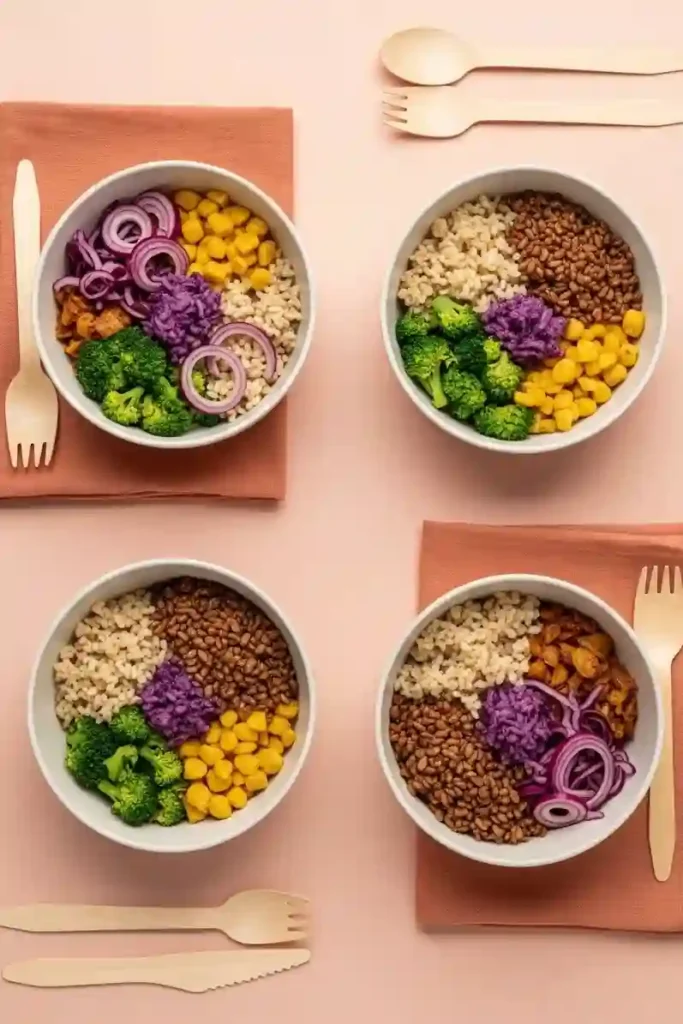
Sample Combinations
| Protein | Volume Veg | Smart Carb | Sauce | Flavor |
|---|---|---|---|---|
| Grilled chicken | Roasted zucchini | Sweet potato cubes | Chimichurri | Lime zest + chili flakes |
| Tofu | Steamed broccoli | Quinoa | Peanut dressing | Cilantro + scallion |
| Turkey meatballs | Spaghetti squash | No carb | Marinara | Basil + garlic |
| Egg | Sautéed spinach | Lentils | Yogurt + curry | Lemon + mint |
If you’re batch cooking, this method makes prep faster and more flexible. In addition, it keeps your weekly meals balanced without being repetitive.
When you rotate sauces and flavor boosters, you can eat the same base meals with totally different taste profiles. That way, your meal plan stays exciting, even on a budget.
Budget-Friendly Low Calorie Meals ($5 or Less)
Eating healthy doesn’t have to mean spending more. Back when I was balancing nutrition with a tight grocery budget, I quickly learned that low calorie meals can be both affordable and satisfying. It just takes the right ingredients and a smart pantry strategy.
When cost is a concern, your goal should be to maximize volume and protein without relying on pricey specialty items. Here’s how to make it work.
Budget Staples That Make Meals Cheap and Healthy
- Eggs – one of the best cost-to-protein ratios
- Lentils – high in fiber, fast to cook, and shelf-stable
- Frozen vegetables – just as nutritious as fresh, often half the price
- Brown rice or quinoa (bought in bulk) – long shelf life and versatile
- Canned beans – easy to use, endlessly adaptable
- Rotisserie chicken or canned tuna – quick proteins under $2 per serving
- Plain Greek yogurt – doubles as sauce, snack, or protein base
If you stick to these essentials, you can prep meals for under $5 each, even with rising food prices.
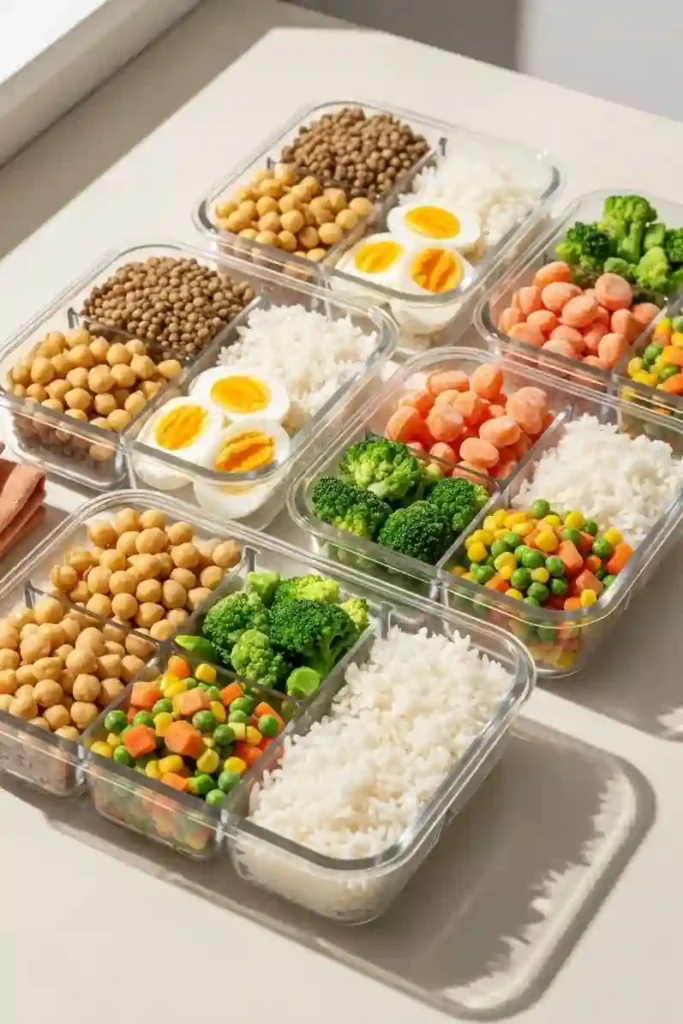
Sample Meals Under $5
Here are some real combinations I’ve used many times, broken down to stay under budget:
| Meal | Main Ingredients | Estimated Cost |
|---|---|---|
| Spicy lentil soup | Lentils, carrots, onion, garlic, broth | $2.80 |
| Tuna-stuffed bell peppers | Canned tuna, bell pepper, mustard, herbs | $3.60 |
| Yogurt veggie bowl | Greek yogurt, cucumber, chickpeas, lemon, herbs | $4.10 |
| Egg + veggie stir-fry | Eggs, frozen stir-fry mix, soy sauce | $3.40 |
| Crispy chickpea wrap | Chickpeas, whole grain wrap, lettuce, tahini | $4.30 |
Because each of these relies on versatile ingredients, you’ll waste less and cook more creatively. Add in frozen herbs, pantry spices, or simple homemade sauces to elevate flavor without spending more.
If you batch cook these meals, you can prep 4-6 servings at once, keeping the per-portion cost even lower.
Scientific Evidence Behind Low Calorie Recipes
Low calorie recipes aren’t just a trend, they’re backed by decades of clinical and governmental research. Studies from U.S. institutions confirm that reducing calories, without sacrificing nutrients, can help improve health and prevent chronic disease.
Here’s what science says:
- According to the National Institute on Aging (NIH), calorie restriction in healthy adults under 50 is associated with improvements in key health markers like blood pressure, cholesterol, and inflammation.
- A 2022 NIH study showed that moderate calorie reduction enhanced immune function and longevity markers without causing malnutrition.
- The U.S. government’s official Dietary Guidelines for Americans (2020-2025) recommend calorie-conscious eating as part of a balanced diet to prevent heart disease, obesity, and diabetes.
- Peer-reviewed research in the journal Cancer Research found that calorie restriction with or without exercise significantly reduced inflammation markers (such as hs-CRP) in overweight women, lowering risk for multiple diseases.
- A 2025 report from Boston University School of Medicine revealed that long-term calorie restriction may reduce brain aging by slowing the breakdown of myelin, the protective sheath around neurons.
Key Takeaways
- Calorie restriction supports immune, heart, and brain health, especially when nutrient quality is maintained.
- Benefits appear long-term, not just short-term weight loss.
- U.S. dietary policy supports low calorie eating as a public health measure.
If you’re planning to share or reference this article, these studies offer scientifically solid grounding to support low calorie living.
FAQs About Low Calorie Recipes
A low calorie meal typically contains between 300 and 500 calories per serving. This range allows enough room for protein, fiber, and healthy fats, while staying under most daily intake goals. For snacks, aim for under 200 calories. Calorie needs vary by activity level, but staying in this range supports gradual weight loss or maintenance.
To make a low calorie meal more satisfying, prioritize protein and fiber. Lean meats, legumes, or eggs provide satiety, while vegetables like broccoli or zucchini add bulk without calories. Adding a small portion of healthy fat, like avocado or tahini, also helps slow digestion and reduce hunger later.
Yes, low calorie meals can absolutely support weight loss because they make it easier to stay in a calorie deficit. They’re most effective when you pair them with enough protein, good hydration (see low calorie recipes for ideas), plus regular movement. If you cut too hard, you may feel drained or battle constant cravings. That’s why it’s better to build balanced, satisfying plates you actually enjoy and can stick with for the long haul.
Absolutely. Many low calorie recipes are ideal for meal prep. Soups, grain bowls, and stir-fries hold well in the fridge for 4-5 days. Choose ingredients that reheat well, like roasted vegetables, lentils, or shredded chicken. Store sauces separately when possible to keep textures fresh.
Final Thoughts: Low Calorie Cooking Doesn’t Mean Flavorless
I used to believe that low calorie meals were bland and left me hungry. But over time, I discovered how to pair lean proteins with bold seasonings and make smart ingredient swaps. Since then, everything has shifted. These dishes aren’t just “healthy”, they’re meals I actually crave.
When you’re starting out, it helps to keep things simple. Begin by repeating one or two go-to recipes until they feel second nature. After that, it becomes easier to explore new combinations and build variety into your week.
Above all, food should bring you comfort and satisfaction, not feel restrictive. Thankfully, you don’t need to give up flavor or fullness to enjoy lighter eating. With the right approach, it becomes both nourishing and delicious.
Looking for what to try next?
- Start with this spaghetti squash guide for satisfying pasta-style meals.
- Or explore this carrot ribbon salad, it’s one of the easiest ways to add freshness and crunch.
- And if breakfast is your weak spot, my bagel recipe keeps calories low and mornings satisfying.
If this guide helped, share it or bookmark it. I update often and love helping readers cook lighter, without losing flavor.