
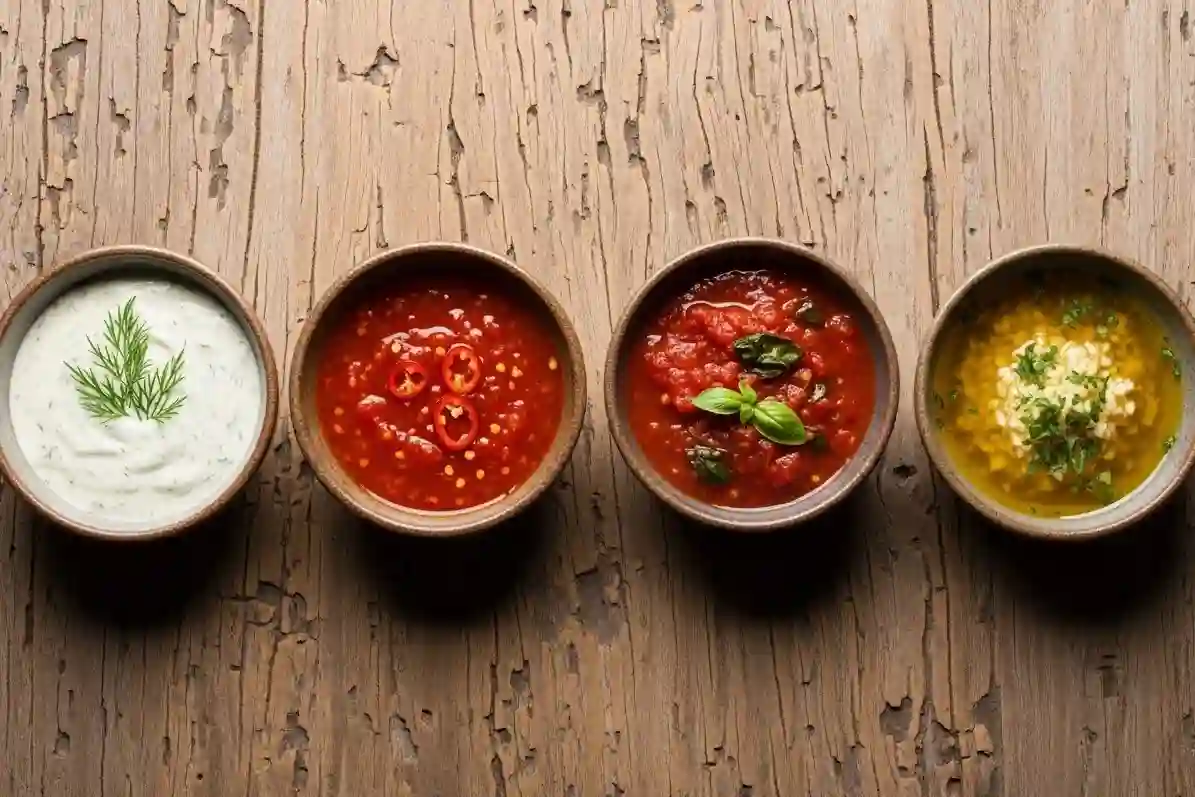
The first time I made a sauce from scratch, I was standing barefoot in my college kitchen, scraping together butter and garlic in a dented pan. I had no idea what I was doing, but the aroma told me I was onto something. That moment started my obsession with learning the basics. This homemade sauces guide is the resource I wish I had then.
Whether you’re cooking on a budget, tired of bottled dressings, or simply want to boost flavor fast, homemade sauces are a game changer. They turn plain ingredients into crave-worthy meals. In this guide, you’ll learn flexible formulas, pro-level flavor tips, and how to store sauces like a chef.
If you’re exploring ways to build healthier meals, you may also enjoy our complete
Weight Loss Drinks Guide, a helpful resource packed with simple beverages that support digestion, hydration, and overall wellness.
For even more light and nutrient-dense meal ideas, check out our curated list of Low Calorie Recipes designed to help you build balanced plates without sacrificing flavor.
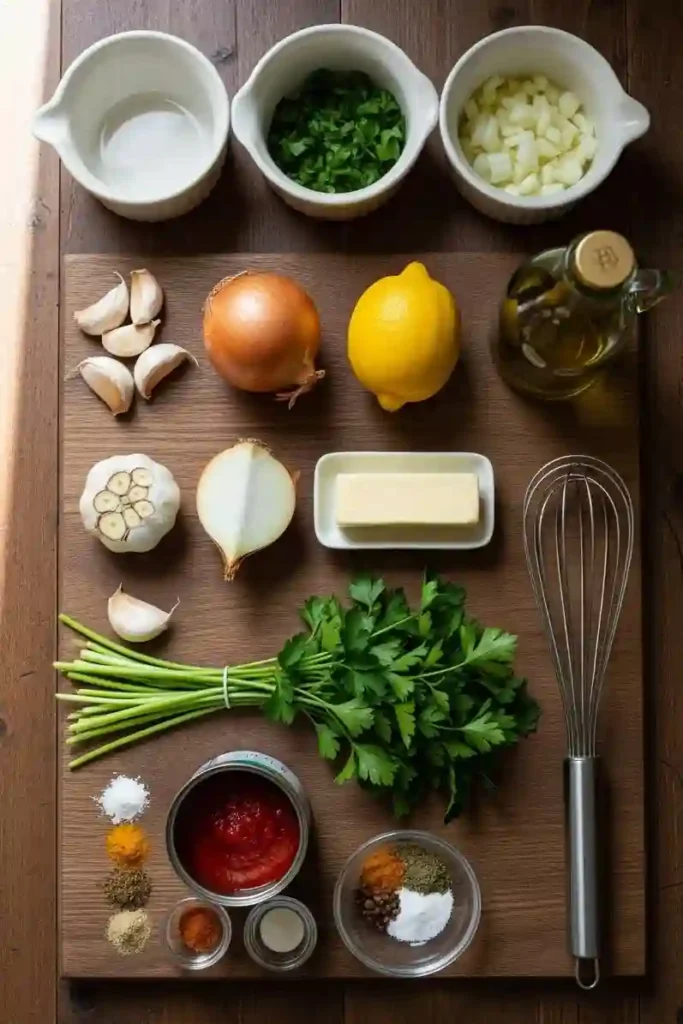
Key Takeaway: How to Build Any Homemade Sauce
You can build almost any homemade sauce using this simple formula. Mix and match based on what you’re making.
- Base (fat or liquid): butter, oil, cream, stock
- Flavor layer: garlic, shallots, herbs, spices
- Personality: acid or umami like lemon juice, soy sauce, or parmesan
- Texture control: thicken with flour, reduce by simmering, or use cornstarch
Once you understand this structure, you can freestyle dozens of sauces in minutes. It’s easier than it sounds.
Sauce Basics 101
What a Sauce Does (Flavor, Texture, Moisture)
A sauce does more than just sit on your plate. In fact, it ties the whole meal together. It adds flavor, moisture, and texture that can make even simple food feel exciting. For example, a creamy sauce can mellow out spicy heat, while a tangy vinaigrette can brighten heavier dishes. Because of this, sauces often turn an ordinary meal into something memorable.
At home, sauces are one of the easiest ways to boost flavor. They not only bring new life to leftovers but also stretch basic ingredients further. Moreover, they let you control taste and texture without needing complex techniques. Once you learn a few basics, you can build sauces quickly, even without a recipe.
The 5 Building Blocks of Any Homemade Sauce
Almost every sauce is made from five core parts. Although each one has a different role, they work together in flexible ways. When you mix and match them, you can make sauces for nearly any dish.
- Fat
First, start with butter, olive oil, or bacon grease. These create richness and carry flavor through the sauce. - Liquid
Then, add stock, cream, milk, coconut milk, or even wine. These help the sauce flow and give it body. - Aromatics
After that, use garlic, onions, herbs, or spices. These lay the groundwork for strong, savory flavor. - Acid or Umami
Next, balance the richness with lemon juice, vinegar, soy sauce, or parmesan. These sharpen the flavor and add depth. - Thickener
Finally, stir in flour, cornstarch, or cream cheese to thicken the sauce. This helps it stick to your food instead of sliding off.
Once you understand how these five parts work, you’ll gain the confidence to make your own sauces. Even better, you’ll enjoy the freedom of cooking by taste.
Main Types of Homemade Sauces (With Real-Life Examples)
Creamy Restaurant-Style Sauces
These sauces are rich, smooth, and comforting. They’re perfect for coating pasta, spooning over chicken, or dressing up roasted veggies. Most creamy sauces start with butter or oil, then build flavor with garlic or onion, and finish with cream, cheese, or stock.
If you’re craving a velvety sauce that feels like it came from a restaurant, try a creamy, tomato-forward Palomino sauce. It blends heavy cream with marinara for a silky, pink sauce that’s perfect on pasta or gnocchi.
To switch things up, you can blend in ingredients like mustard, grated parmesan, or chopped fresh herbs.
These extras layer flavor without extra effort.
Spicy & Sweet Dipping Sauces
Dipping sauces bring big flavor in small doses. Many combine heat, sweetness, and creaminess to create that classic “fast-casual” or takeout-style experience. They’re ideal for fries, sandwiches, seafood, or chicken.
If you like bold flavor, make a batch of Bang Bang sauce. It’s creamy, spicy, and slightly sweet, just right for drizzling over shrimp or dipping nuggets. You can also explore the Tram sauce, which leans into tangy heat and burger-friendly vibes.
In most cases, these sauces come together in under five minutes.
Herb-Forward Dressings & Green Sauces
When you want something bright, fresh, and zippy, green sauces are your best friend. They often start with a yogurt or mayo base, blended with herbs, citrus, and garlic. These dressings pair well with fresh salads, wholesome grain bowls, and vegetables straight from the oven.
One of the easiest ways to start is with a classic Green Goddess dressing. This creamy, herb-loaded sauce works on everything from kale salads to sandwich spreads.
You can also swap herbs based on what’s in your fridge, parsley, basil, cilantro, or even mint.
If you love experimenting with fresh, trendy flavors, make sure to explore our collection of Viral Drinks, featuring popular recipes that pair wonderfully with vibrant herb-forward dishes and modern homemade sauces.
Pan Sauces and Skillet Gravies
Pan sauces come together right after cooking meat. They’re made by deglazing the browned bits in the skillet (called fond), then adding liquid and finishing with fat or seasoning. Because they’re built on flavor already in the pan, they’re fast and full of depth.
To see a clever tip for this, try the cucumber pan grease hack. It helps you collect fond and fat for quick sauce-making, without the mess.
These sauces pair deliciously with steak, seared pork chops, or lightly sautéed veggies. They can be thin and winey or thick and creamy, depending on your mood.
Marinades vs Sauces vs Dressings
Although these terms get used interchangeably, they serve different roles in the kitchen.
- Marinades are for flavoring food before cooking. They usually contain acid, oil, and spices.
- Sauces are cooked or blended flavor boosters used during or after cooking.
- Dressings are usually served cold and poured over foods like salads without any cooking.
Importantly, don’t reuse raw-meat marinades without boiling first, since they may carry bacteria. Instead, reserve a clean portion if you want to use it later as a sauce.
Core Formulas from Our Homemade Sauces Guide
These four formulas give you an easy way to make sauces without using a detailed recipe. Whether you’re cooking pasta, stir-frying, or dressing a salad, these templates help you create flavor fast, using everyday ingredients.
In this homemade sauces guide, you’ll find four flexible sauce formulas that work with almost any meal.
Creamy Skillet Sauce – A Homemade Sauce Classic
This one is a lifesaver on busy nights. It’s an excellent match for noodles, tender vegetables, or pan-seared chicken. Even better, it only takes about 10 minutes. The skillet version in this homemade sauces guide is perfect for creamy weeknight pasta or chicken.
Template Ingredients:
- Fat: butter or olive oil
- Aromatic: garlic or shallots
- Liquid: broth, milk, cream, or a mix
- Flavor extras: mustard, cheese, herbs
- Finishing touch: lemon juice or vinegar
How to Make It:
- First, melt fat in a skillet and sauté aromatics for 1–2 minutes.
- Then, pour in liquid and bring it to a low simmer.
- After that, stir in extras and reduce the sauce slightly.
- Lastly, add acid and taste for seasoning.
For a smooth, tangy version, try our Palomino sauce recipe. It’s quick, creamy, and crowd-pleasing.
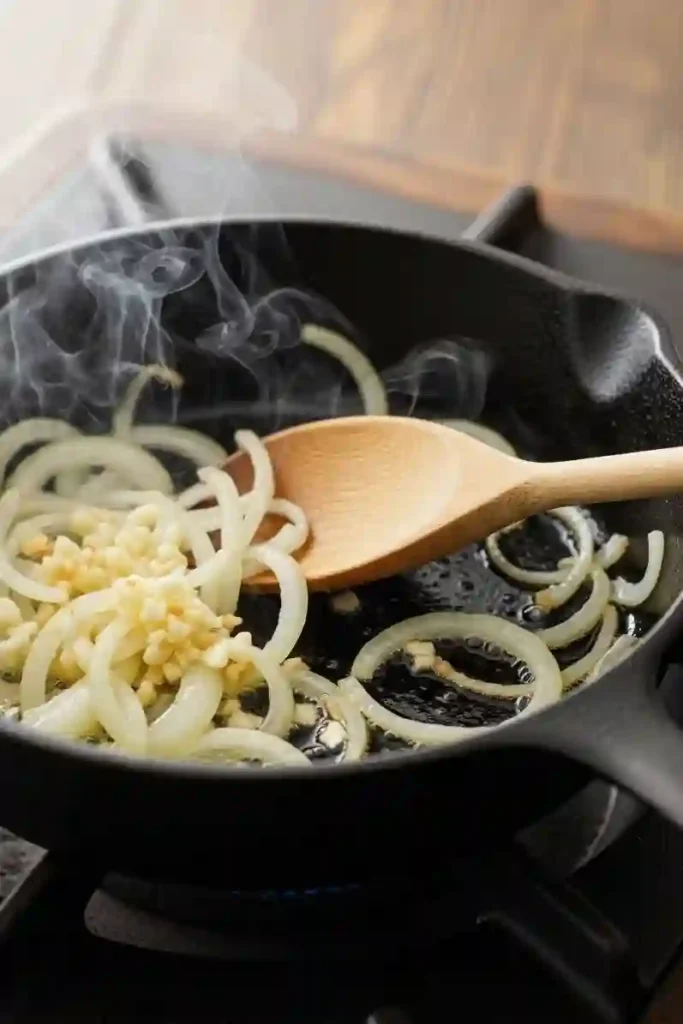
Herby Green Blender Sauce for Your Homemade Sauce Routine
When you want something cool, herby, and fast, this sauce delivers. It pairs well with salads, warm grain dishes, or oven-roasted veggies. This bright, herby option is a must-have in your homemade sauces guide, especially for fresh salads or bowls.
Template Ingredients:
- Base: yogurt, mayo, or sour cream
- Herbs: parsley, cilantro, basil, or chives
- Acid: lemon juice or vinegar
- Extras: garlic, salt, olive oil or water
How to Make It:
- To begin, blend all ingredients until smooth.
- Then, taste and adjust for salt or acid.
- After that, chill it for 10–15 minutes before serving.
- Finally, store in the fridge for up to four days.
Need a classic version? Try our Green Goddess dressing.
Stir-Fry Sauce from the Homemade Sauces Guide
This is your go-to for quick skillet meals. Because it thickens fast, it works perfectly for meat, tofu, or vegetables.
Template Ingredients:
- Liquid: broth or water
- Salty base: soy sauce or tamari
- Sweetener: brown sugar or honey
- Aromatics: garlic and ginger
- Thickener: cornstarch slurry
How to Make It:
- Start by mixing everything in a bowl.
- Next, pour it into the pan after your protein or veg has cooked.
- As it simmers, stir until thickened, usually within 1–2 minutes.
- Finally, toss ingredients to coat evenly.
Add a dash of sesame oil or chili flakes for extra flavor depth.
Easy Vinaigrette from Your Homemade Sauces Guide
When you need a fast dressing for salad or veggies, this formula works every time. Moreover, it’s easy to prep ahead.
Template Ingredients:
- Oil: olive or avocado
- Acid: lemon juice or vinegar
- Optional: mustard, honey, herbs, garlic
How to Make It:
Lastly, store in the fridge for up to one week.
First, add everything to a jar or bowl.
Then, shake or whisk until well mixed.
After that, taste and balance the acid, salt, or sweetness.
Pick the Perfect Match from the Homemade Sauces Guide
With so many types of sauces available, it helps to have a clear way to choose the right one for the dish you’re making. Use the table below to quickly match a sauce type with your cooking situation.
This part of the homemade sauces guide helps you choose the right sauce by meal type.
| Meal Type | Ideal Sauce | What Makes It Work |
|---|---|---|
| Pasta | Cream-Based or Tomato Sauces | Delivers richness and coats the noodles evenly |
| Grilled Meat or Fish | Fresh Herb Blend or Quick Pan Reduction | Adds brightness, juiciness, and flavor balance |
| Stir-Fry | Soy-Garlic or Ginger-Based Glaze | Boosts savory depth and caramelizes on contact |
| Salads or Roasted Vegetables | Zesty Vinaigrette or Creamy Green Sauce | Brings freshness and unifies flavors in the dish |
| Burgers or Sandwiches | Punchy Sauce like Bang Bang or Tram | Intensifies taste and adds moisture without overpowering |
Choosing the right sauce doesn’t have to be a guess. In fact, once you know the purpose of the sauce, whether to add richness, balance, or brightness, you’ll make better meals every time.
How to Make a Basic Homemade Sauce
Mastering a base sauce is the first step toward customizing countless meals. Here’s how to make a quick stovetop sauce you can build on.
- Choose your fat base
Use butter, olive oil, or cooking drippings to start the flavor layer in your pan.
- Add aromatics
Sauté finely chopped garlic, onions, or shallots until fragrant, this builds depth.
- Incorporate flour (optional)
To thicken the sauce, whisk in a spoonful of flour and cook it briefly.
- Pour in liquid
Add broth, milk, cream, or tomato puree. Stir well to dissolve the flour and combine flavors.
- Simmer and season
Let the sauce reduce slightly. Season with salt, pepper, herbs, or spices to taste.
- Blend or strain (optional)
For a smoother texture, blend the sauce or strain out the solids.
Storage & Reheating Tips from the Homemade Sauces Guide
Fridge Storage Tips
- Creamy and dairy-based sauces like Palomino or Green Goddess should always be stored in an airtight container. Ideally, use them within 4 days.
- Oil-and-vinegar vinaigrettes tend to last longer, up to 7 days in the fridge, especially when kept away from heat and light.
- Pan sauces made with meat drippings or broth should be eaten within 3 days to avoid bacterial growth.
Additionally, always label your containers with the date. Avoid dipping food directly into the sauce container, as that can introduce bacteria.
Freezing Tips
Some recipes in this homemade sauces guide freeze beautifully, like tomato-based or broth-based sauces.
Not all sauces freeze well. Some, especially dairy-based ones, can separate or turn grainy after thawing.
- Safe to freeze: tomato-based sauces, broth-based gravies, and puréed veggie sauces
- Best avoided: cream-based sauces, emulsified dressings, or raw-egg sauces like hollandaise
If you do freeze a sauce:
- Let it cool fully before packaging.
- Store it in freezer-safe containers or zip bags.
- Whenever possible, freeze flat for faster thawing.
For best results, thaw sauces overnight in the fridge, not at room temperature.
Reheating Tips
Proper reheating keeps flavor and texture intact. However, each sauce type needs slightly different care:
- Creamy sauces should be warmed slowly over low heat. You may need to stir in a splash of broth or milk to restore smoothness.
- Oil-based dressings should be left at room temperature for a few minutes, then shaken or whisked well.
- Stir-fry sauces can go straight into a hot pan during cooking, just stir constantly to avoid burning.
Finally, avoid reheating the same batch more than once. If a sauce smells off, separates oddly, or looks discolored, it’s safer to discard it.
FAQs from the Ultimate Homemade Sauces Guide
Start with a tomato sauce, creamy pan sauce, vinaigrette, and stir-fry sauce. These cover most meals and are easily adapted.
Vinaigrette. Just mix oil, vinegar or lemon juice, salt, and shake. No cooking needed, and it’s quick to customize.
First, heat butter or oil and sauté your aromatics. Next, pour in a liquid like broth or cream. Finally, season to taste. This simple process forms the foundation of most sauces.
You’ll need fat, liquid, aromatics, a thickener, and a touch of acid or umami. That’s the foundation.
Sauces add moisture; gravy comes from meat drippings; dips are thick for dunking; dressings are uncooked and poured on cold foods.
Explore More: Food Safety, Nutrition, and Expert Tips for Your Homemade Sauces Guide
Crafting your own sauces at home gives you full control over ingredients, flavor, and freshness. To make the most of your homemade creations, and ensure they’re safe and nutritious, explore these expert-backed resources:
- To ensure safe storage, especially for sauces containing dairy or eggs, always refer to the USDA’s official food safety service.
- Use the USDA’s FoodData Central to check accurate nutrition profiles for the ingredients you use, from olive oil to fresh herbs.
- Explore the four essential steps to prevent foodborne illnesses at home, clean, separate, cook, and chill, through the CDC’s food safety prevention guide.
- Find out how processed food ingredients may impact health via this PubMed scientific study, helping you make smarter sauce choices.
- To reduce contamination risks in your kitchen, always follow trusted food safety guidelines to prevent foodborne illness, especially those focused on proper handling and thorough cooking.
Homemade Sauces Guide – Flavor Ideas & Easy Recipes

A versatile stovetop base sauce you can customize for pasta, vegetables, or meat dishes.
- Prep Time: 5 minutes
- Cook Time: 10 minutes
- Total Time: 15 minutes
- Yield: 1 cup
- Category: Sauce
- Method: Stovetop
- Cuisine: Universal
- Diet: Vegetarian
Ingredients
- 2 tbsp butter or olive oil
- 1 small onion, finely chopped
- 2 cloves garlic, minced
- 1 tbsp all-purpose flour (optional, for thickening)
- 1 cup broth, milk, or tomato puree
- Salt and pepper to taste
- Herbs or spices (optional)
Instructions
- Heat butter or oil in a pan over medium heat.
- Add chopped onion and garlic; sauté until translucent.
- Stir in flour if using and cook for 1 minute.
- Pour in your chosen liquid while stirring constantly.
- Simmer for 5–7 minutes until slightly thickened.
- Season with salt, pepper, and herbs to taste.
- Blend or strain for a smooth finish (optional).
Notes
- For a dairy-free version, use olive oil and broth.
- Double the recipe for batch cooking and refrigerate.