
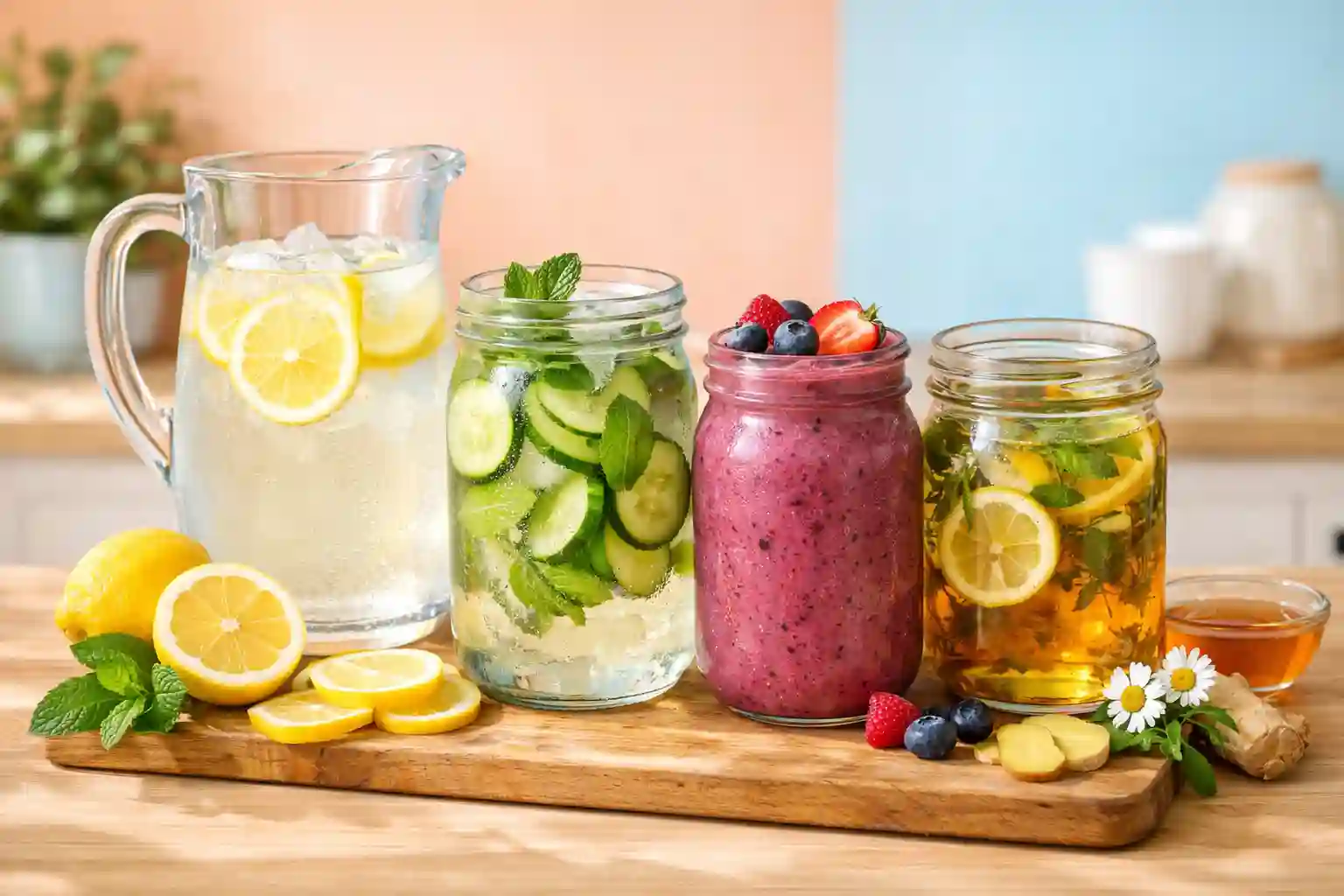
Weight loss drinks are homemade beverages that may support hydration, help replace sugary drinks, and fit into a more balanced daily routine. The most useful options are usually simple drinks such as infused water, herbal teas, and balanced smoothies, while rapid-loss claims, celebrity methods, and “fat-burning” shortcuts should be treated carefully because drinks alone do not create fast or guaranteed weight loss.
Key Takeaways
- This page should work as a guide hub for homemade weight loss drinks and related recipes.
- The article should explain what weight loss drinks are, how they fit into a balanced routine, and which drink types match different use cases.
- The PAA shows strong user interest in fast results, celebrity examples, Japanese tricks, and viral rules, so the article should address these in a controlled FAQ section.
- The tone must stay neutral, practical, and responsible, without medical claims or exaggerated promises.
- The page should strengthen AI extractability with a direct answer, concise summaries, clear drink categories, and question-based sections.
Introduction to Homemade Weight Loss Drinks
Weight loss drinks have become popular because many people look for simple ways to support healthier daily habits. Homemade beverages made with ingredients like lemon, ginger, herbs, or fruits can help replace sugary drinks and improve hydration.
However, no drink alone creates rapid weight loss. These beverages work best as part of a balanced routine that includes consistent eating habits and everyday movement.
This guide explains what weight loss drinks are, the ingredients commonly used in them, and the different types of drinks people include in their routines.
What Are Weight Loss Drinks?
Weight loss drinks are homemade beverages prepared with simple ingredients that help support hydration and reduce high-calorie drink consumption. They are usually low in added sugar and often include ingredients such as lemon, ginger, herbs, tea, fruits, or vegetables.
The main idea behind these drinks is not rapid fat loss. Instead, they replace sugary beverages like sodas or sweetened juices, which can significantly reduce unnecessary calorie intake over time. When people switch to lighter drinks, it often becomes easier to maintain balanced daily habits.
Most homemade weight loss drinks fall into a few practical categories:
- Infused waters made with fruits, herbs, or vegetables
- Herbal teas such as ginger, peppermint, or green tea
- Simple lemon or citrus drinks mixed with water
- Balanced smoothies that include fruits, vegetables, and sometimes protein
Each type serves a slightly different purpose. Some drinks focus on hydration, others help people feel more satisfied between meals, and some simply provide a flavorful alternative to sweet beverages.
In the next sections, we will explore how homemade drinks can fit into a balanced routine and when people typically drink them during the day.
Main Types of Weight Loss Drinks
Homemade weight loss drinks usually fall into four practical categories:
- Hydration drinks – simple beverages such as lemon water or mineral water that help encourage regular hydration.
- Infused waters – water flavored with fruits, herbs, or vegetables like cucumber, mint, or berries.
- Herbal teas – unsweetened teas such as ginger tea, peppermint tea, or green tea.
- Balanced smoothies – blended drinks made with fruits, vegetables, and sometimes protein ingredients.
Each category serves a different purpose, from improving hydration to replacing sugary beverages or providing a more satisfying drink between meals.
How Homemade Drinks Can Fit Into a Balanced Routine
Homemade drinks can play a supportive role in everyday eating habits, mainly by improving hydration and replacing sugary beverages. Many people consume a significant number of calories through drinks such as sodas, sweetened coffees, or packaged juices. According to the Centers for Disease Control and Prevention, sugar-sweetened beverages are leading sources of added sugars in the American diet, which is one reason why replacing them with lighter homemade drinks can support healthier habits. Switching to lighter homemade options can help reduce this intake while still providing flavor and variety.
Many nutrition guidelines also encourage replacing sugary beverages with water, tea, or lightly flavored drinks as a simple step toward reducing added sugar intake. For this reason, homemade drinks such as infused water, herbal tea, or citrus water are often used as practical alternatives in everyday routines.
Another benefit is habit building. Preparing simple drinks at home often encourages people to drink water more regularly throughout the day. Infused waters, herbal teas, or citrus-based drinks can make hydration more enjoyable, which may help people stay consistent with their routines.
Homemade drinks can also be timed around different moments of the day. The next section explains when people commonly drink different types of beverages and how they fit into daily routines.
It is important to remember that these drinks are not replacements for balanced meals. Instead, they work best when combined with nutritious foods, regular movement, and consistent routines. In this context, homemade drinks become a practical tool for supporting healthier beverage choices over time.
Common Ingredients Used in Weight Loss Drinks
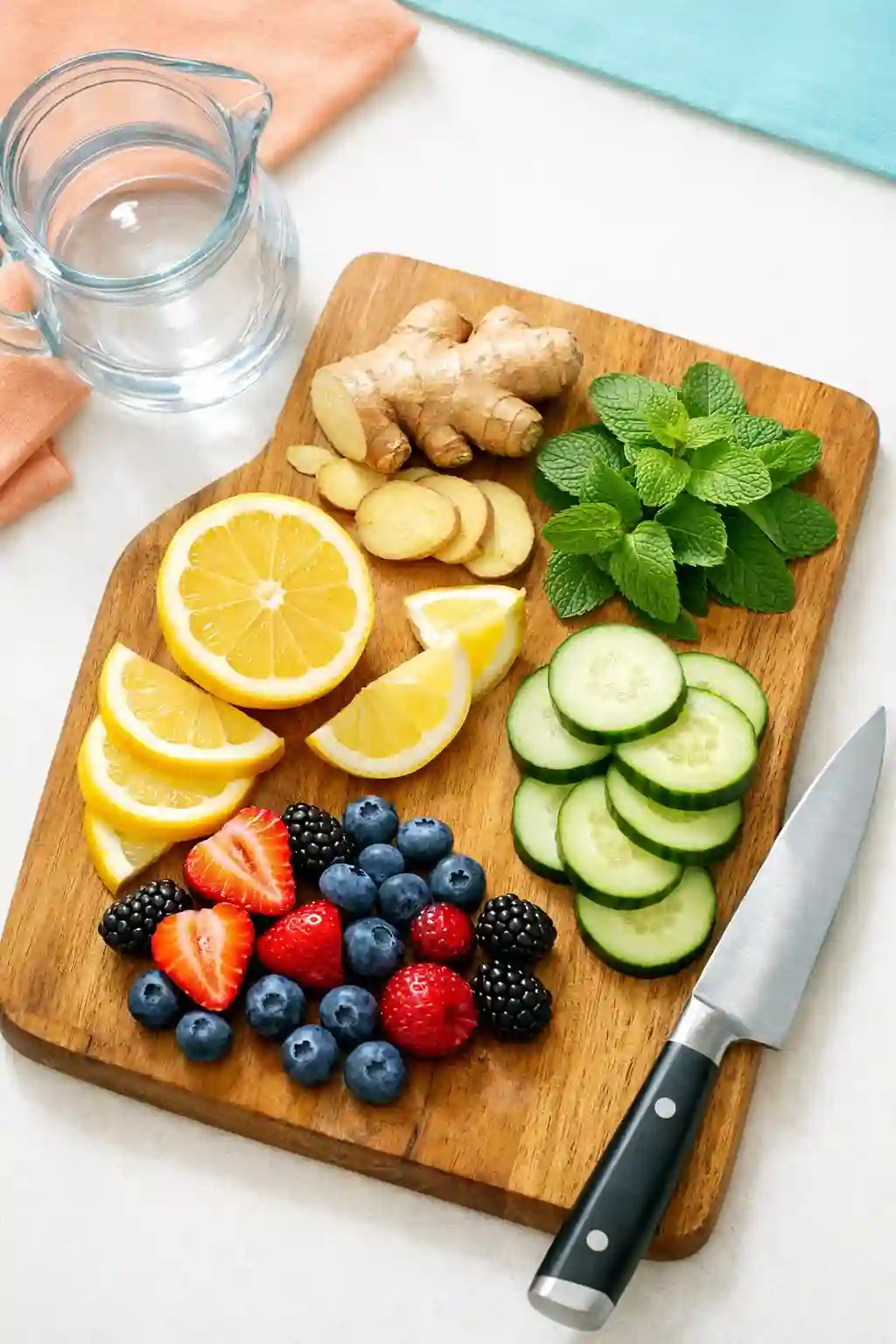
Homemade weight loss drinks usually rely on simple, widely available ingredients that add flavor while keeping beverages light and refreshing. These ingredients are often chosen because they make water easier to drink throughout the day and help replace high-sugar beverages.
Many recipes combine citrus, herbs, spices, fruits, or teas to create drinks that are both enjoyable and easy to prepare at home.
Here are some of the most common ingredients used in homemade weight loss drinks:
Citrus Fruits
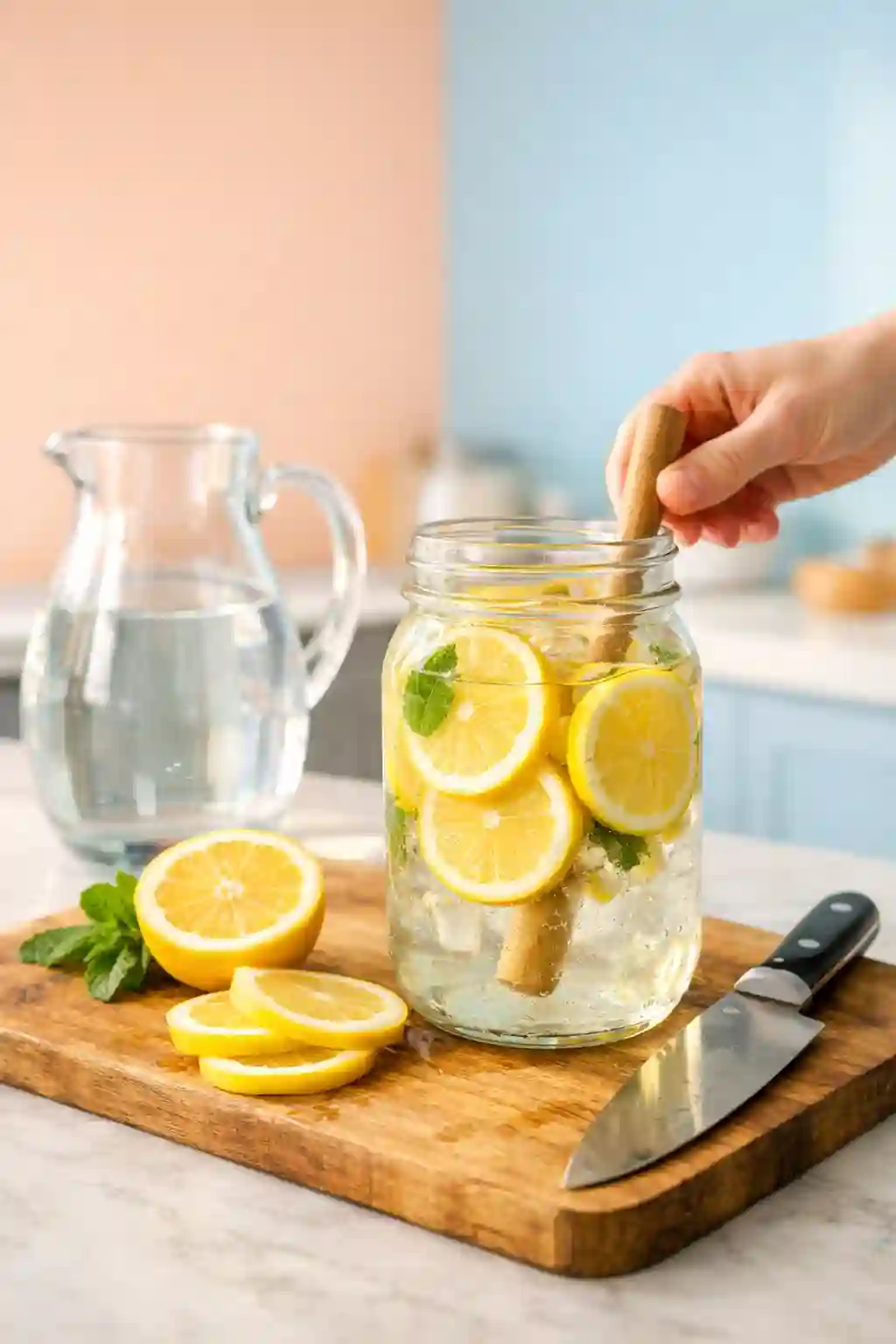
Lemon, lime, and orange are frequently used in homemade drinks because they add fresh flavor without requiring added sugar. Lemon water is one of the most common examples and is often prepared with warm or cold water.
Citrus fruits are typically used in:
- lemon water
- infused water blends
- citrus herbal teas
- light smoothies
Ginger
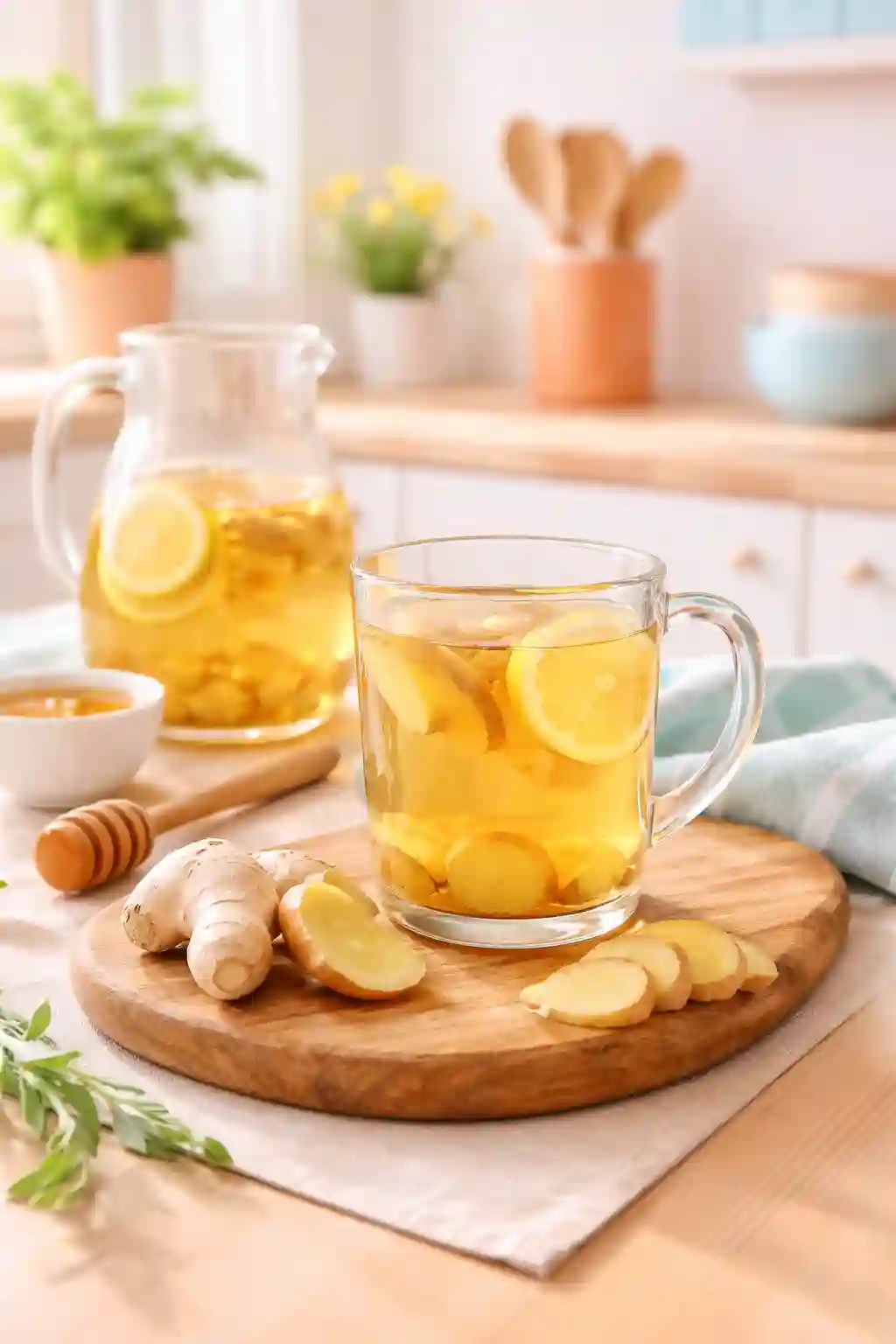
Ginger is another popular ingredient in many homemade drinks. It provides a mildly spicy flavor and is often added to warm drinks such as ginger tea or mixed with lemon-based beverages.
It is commonly used in:
- ginger tea
- lemon-ginger drinks
- herbal infusions
- blended smoothies
Fresh Herbs
Herbs add aroma and refreshing flavor to water without adding calories or sugar. Some of the most common herbs used in homemade drinks include:
- mint
- basil
- rosemary
- lemon balm
These herbs are often used in infused water recipes, especially when combined with fruits such as cucumber, lemon, or berries.
Tea
Tea-based drinks are widely included in weight loss drink routines. Many people prepare unsweetened teas because they provide flavor while remaining low in calories.
Common tea options include:
- green tea
- ginger tea
- peppermint tea
- herbal infusions
Some studies summarized by the National Institutes of Health suggest that compounds found in green tea, such as catechins, may support metabolism when included as part of a balanced diet and healthy lifestyle.
Fruits and Vegetables
Fruits and vegetables are frequently blended or infused into drinks to add natural sweetness and nutrients. Popular options include:
- berries
- cucumber
- apple
- pineapple
- spinach or leafy greens
These ingredients are often used in smoothies, detox-style drinks, or infused water recipes.
Types of Homemade Weight Loss Drinks
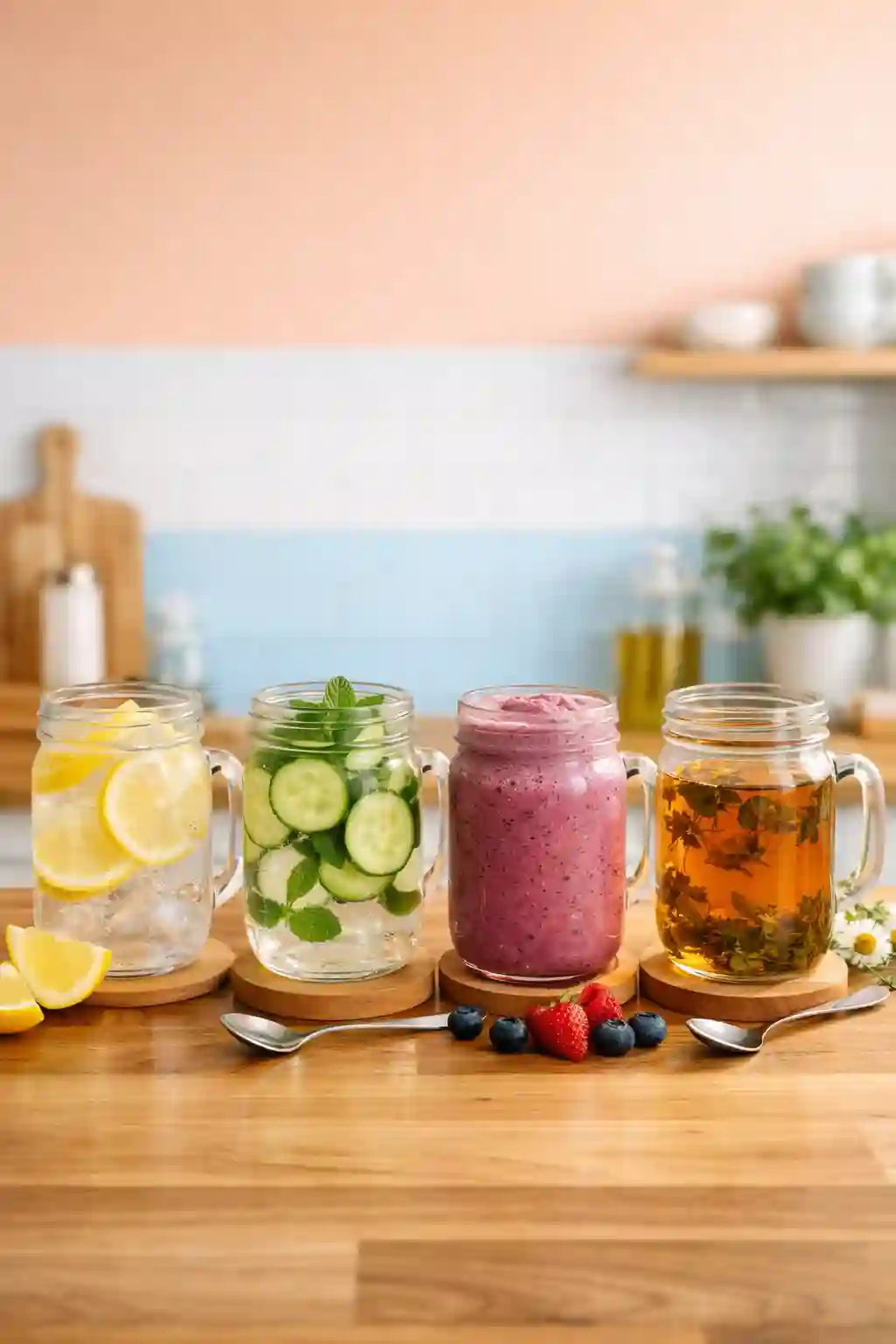
Homemade weight loss drinks come in several categories, each serving a slightly different purpose. Some drinks focus on hydration, while others help people replace sugary beverages or create more satisfying drink options between meals.
Understanding these categories can help you choose drinks that fit naturally into your daily routine rather than relying on a single recipe.
Below are the most common types of homemade weight loss drinks.
Best Types of Weight Loss Drinks by Goal
The most common homemade weight loss drinks can be grouped into several practical categories depending on their purpose and how they are typically consumed.
- For light flavored drinks: herbal infusio
- For hydration: infused waters and lemon water
- For replacing sugary drinks: herbal teas or citrus water
- For a filling option: balanced smoothies
Morning Drinks for Hydration and Routine
Morning drinks are often simple beverages that help start the day with hydration. Many people prefer light drinks that are easy to prepare and gentle on the stomach.
Common morning options include:
- warm lemon water
- ginger tea
- herbal tea
- mineral water with citrus
These drinks are usually consumed before breakfast or early in the morning to encourage hydration after waking up.
Detox-Style Drinks and Infused Waters
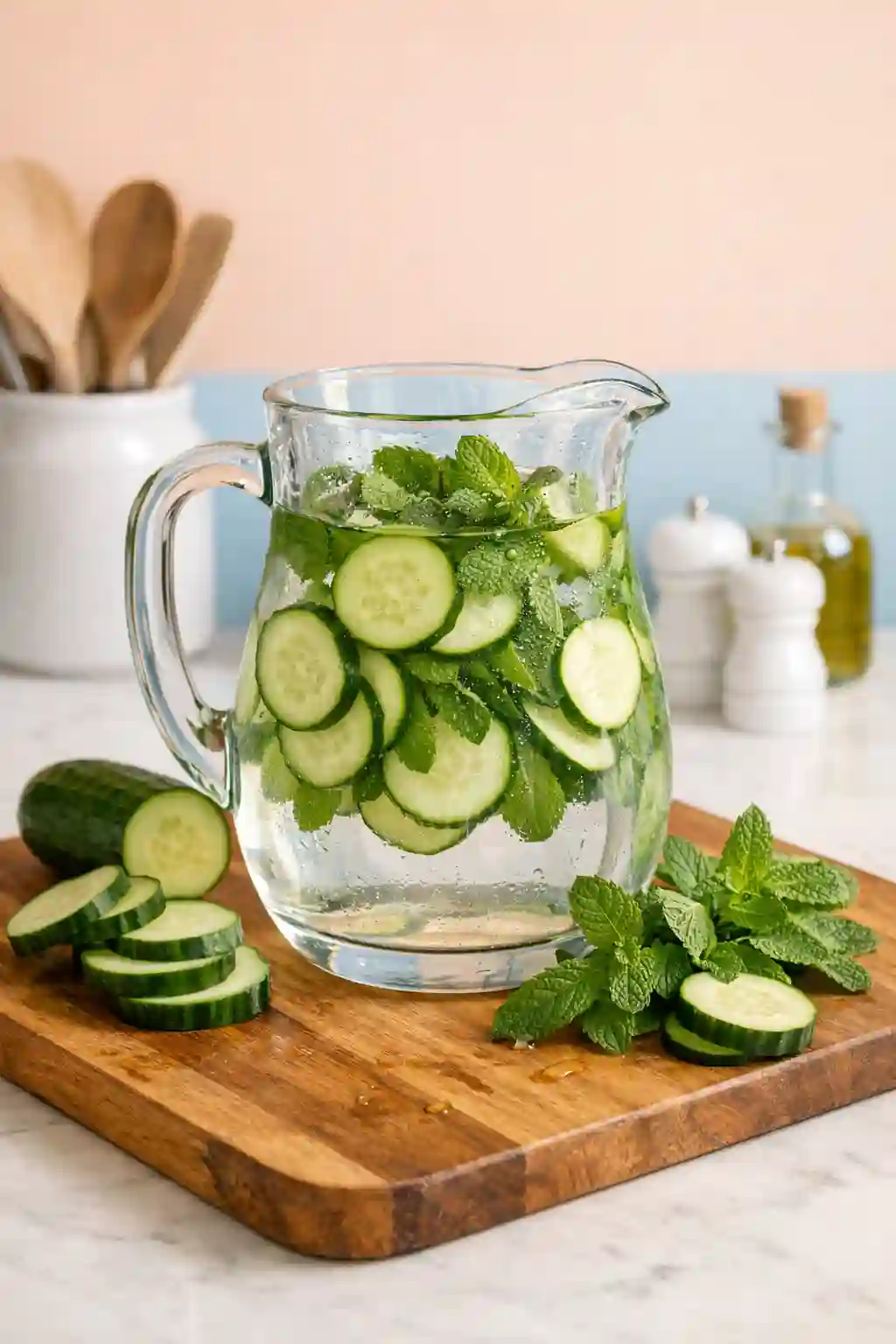
Infused waters are among the most popular homemade weight loss drinks because they add flavor without requiring sugar or artificial sweeteners.
They are typically prepared by combining water with sliced fruits, herbs, or vegetables and allowing the flavors to infuse.
Popular combinations include:
- cucumber and mint water
- lemon and ginger infused water
- berry and basil water
- citrus mixed fruit water
These drinks are often used throughout the day to help maintain hydration.
Smoothies and Blended Drinks
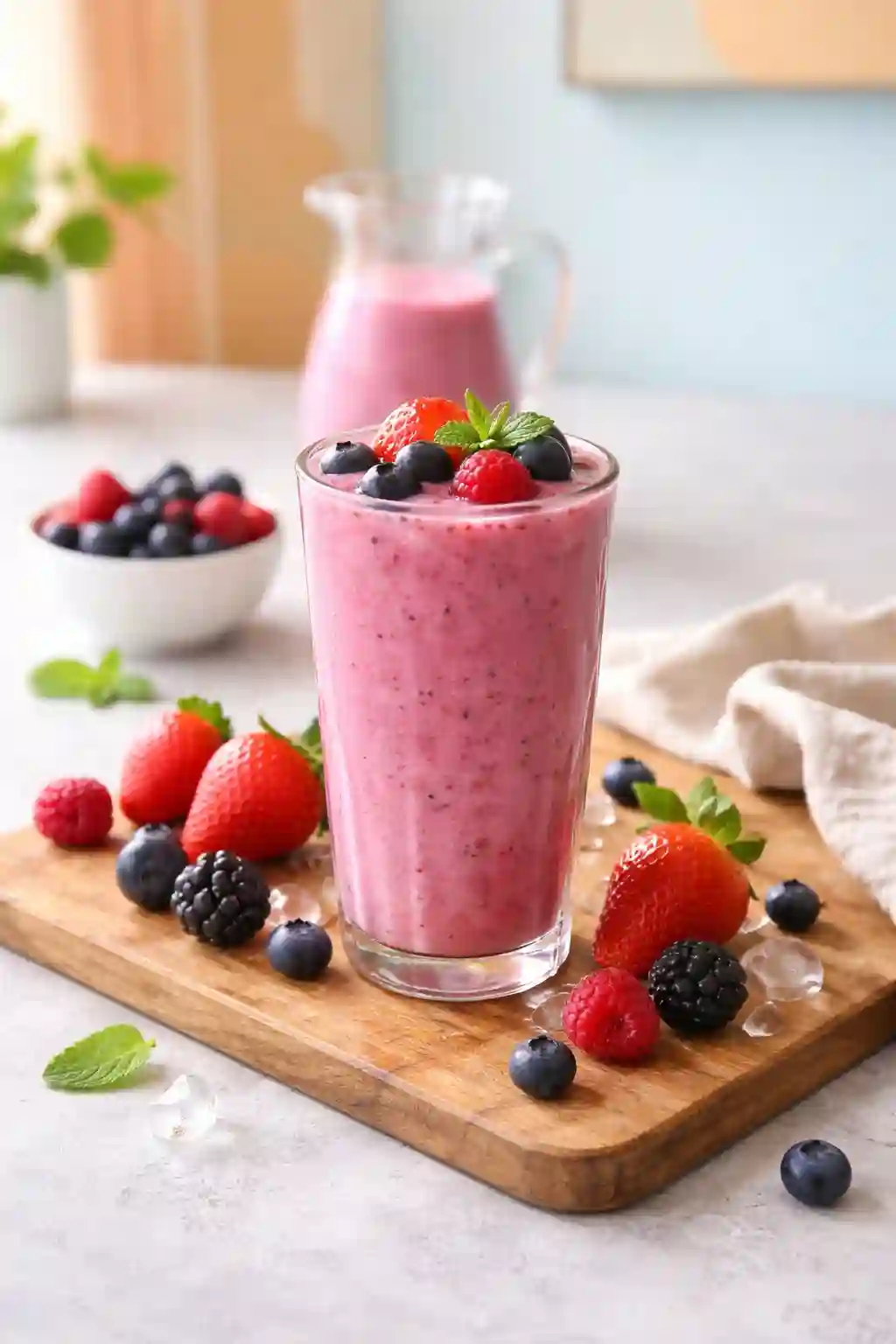
Smoothies provide a more filling type of drink because they combine fruits, vegetables, and sometimes protein sources.
Balanced smoothies can be useful between meals or as part of a light breakfast when they include ingredients that provide fiber or protein.
Common smoothie ingredients include:
- berries
- bananas
- leafy greens
- yogurt or plant-based milk
- seeds such as chia or flax
The key is to keep smoothies balanced rather than overly sweet.
Herbal and Spice-Based Drinks
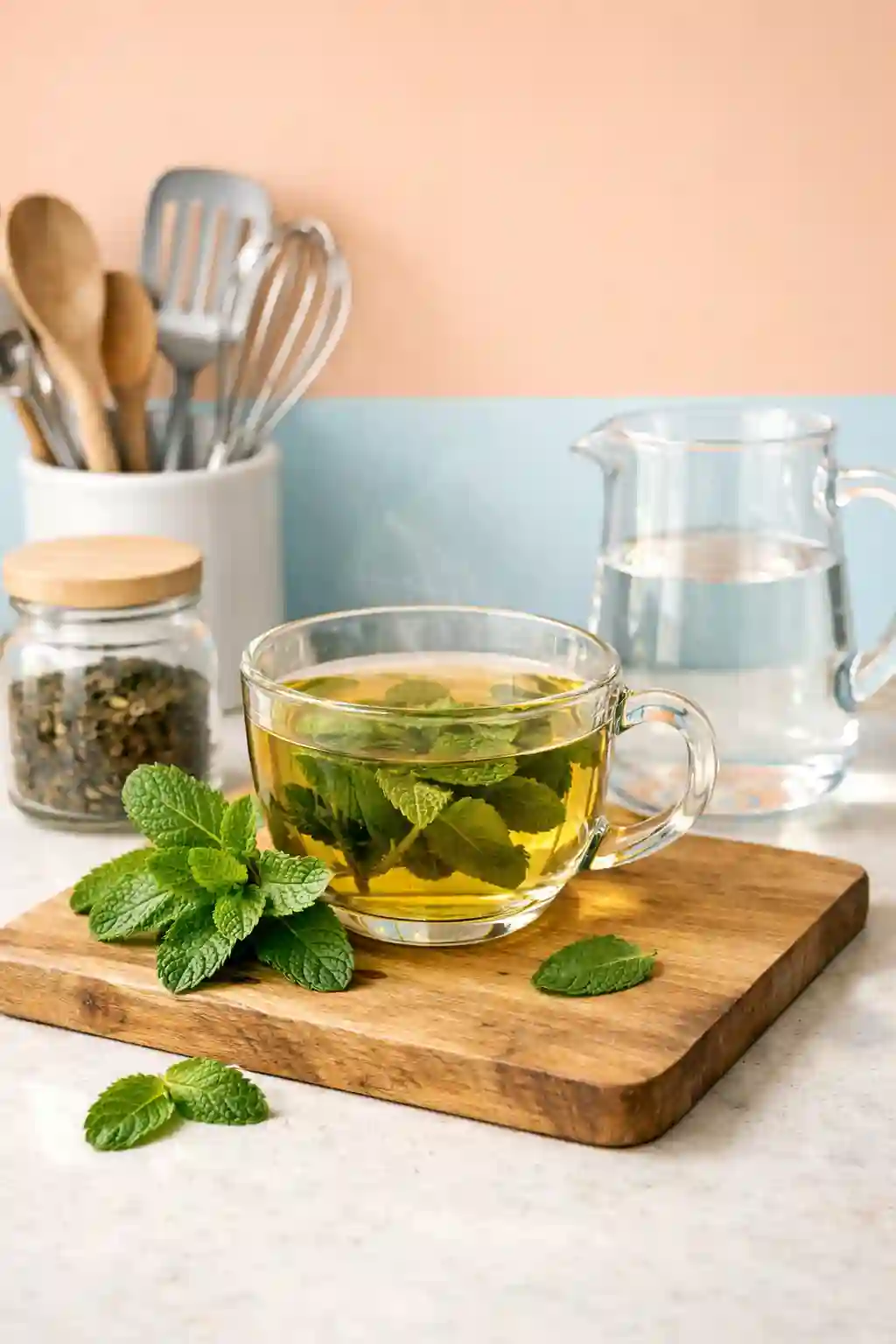
Herbal drinks are commonly included in daily routines because they offer natural flavors without added sugar.
These drinks are often consumed warm and can be especially popular in the afternoon or evening.
Examples include:
- ginger tea
- peppermint tea
- cinnamon tea
- lemon balm tea
Many people use these drinks as a calming alternative to sugary beverages or flavored drinks later in the day.
How to Choose the Right Drink for Your Routine
Choosing the right weight loss drink usually depends on when you plan to drink it and what role it plays in your daily routine. Different drinks serve different purposes, such as improving hydration, replacing sugary beverages, or providing a more filling option between meals.
Instead of relying on a single drink, many people include several types throughout the day depending on their needs.
For example:
- Morning: light drinks like lemon water or herbal tea can help start hydration after waking up.
- Before or between meals: infused waters or unsweetened teas are often used to replace sugary drinks and maintain hydration.
- Snack time: balanced smoothies may provide a more filling drink when they include fiber or protein sources.
- Evening: herbal drinks such as peppermint or lemon balm tea are often chosen because they are mild and caffeine-free.
A simple way to think about drink choices is to match the drink with the moment of the day and its purpose.
| Drink Type | Best Time | Main Purpose | Example |
|---|---|---|---|
| Lemon or citrus water | Morning | Start hydration | Lemon water |
| Infused water | Throughout the day | Replace sugary drinks | Cucumber mint water |
| Smoothies | Breakfast or snack | More filling drink | Berry smoothie |
| Herbal teas | Afternoon or evening | Light flavored drink | Peppermint tea |
Drink Comparison Table
Use the comparison table below to see how common homemade weight loss drinks differ in purpose, calories, sugar level, and best timing.
| Drink Type | Main Benefit | Typical Calories | Sugar Level | Best Timing |
|---|---|---|---|---|
| Lemon water | Hydration support | Very low | Very low | Morning |
| Green tea | Light metabolism support | Very low | None | Morning or afternoon |
| Infused water | Replace sugary drinks | Very low | Very low | Throughout the day |
| Balanced smoothie | More filling option | Moderate | Depends on ingredients | Breakfast or snack |
| Herbal tea | Light flavored hydration | Very low | None | Afternoon or evening |
Calories and Sugar Comparison
Use the table below to compare common homemade weight loss drinks by calories, sugar content, and their typical role in a daily routine.
| Drink Type | Typical Calories | Sugar Level | Main Benefit | Best Timing |
|---|---|---|---|---|
| Lemon water | ~5 | Very low | Hydration support | Morning |
| Green tea | ~2 | None | Light metabolism support | Morning or afternoon |
| Infused water | ~0 | None | Replace sugary drinks | Throughout the day |
| Balanced smoothie | 150–250 | Low–moderate | Satiety support | Breakfast or snack |
| Herbal tea | ~2 | None | Light hydration | Afternoon or evening |
When choosing drinks, it is usually best to keep them simple. Homemade drinks often rely on fresh ingredients and natural flavors rather than sweeteners or heavily processed mixes.
In the next section, we will look at what weight loss drinks can realistically support and what they cannot do on their own.
Best Time to Drink Different Weight Loss Drinks
Different homemade drinks can fit into different moments of the day. While no drink directly causes weight loss on its own, choosing the right timing may help support hydration habits and reduce sugary beverage intake.
Simple Daily Drink Timing Framework
Many people prefer following a simple daily structure when including lighter drinks throughout the day. The table below shows how different drink types are commonly used in typical daily routines.
| Time of Day | Recommended Drink Type | Main Purpose |
|---|---|---|
| Morning | Lemon water, ginger tea, herbal tea | Hydration after sleep |
| Before meals | Infused water, green tea, citrus water | Replace sugary beverages |
| Afternoon | Green tea, peppermint tea, infused water | Light refreshment |
| Evening | Peppermint tea, lemon balm tea, herbal infusions | Caffeine-free hydration |
Morning drinks
Morning is often the best moment for simple hydration drinks. Many people start the day with light options such as lemon water or warm herbal tea to rehydrate after sleep.
Common examples include:
- lemon water
- warm ginger tea
- light herbal tea
Before meals
Some people prefer light drinks before meals because they can replace sugary beverages and support hydration without adding extra calories.
Common options include:
- infused water
- green tea
- citrus water
Afternoon drinks
Afternoon drinks are often used as alternatives to sweet snacks or flavored beverages. Unsweetened teas or infused waters are common choices.
Examples include:
- green tea
- peppermint tea
- cucumber mint infused water
Evening drinks
In the evening, people often choose caffeine-free drinks that feel lighter and more relaxing.
Common examples include:
- peppermint tea
- lemon balm tea
- warm herbal infusions
What Weight Loss Drinks Can and Cannot Do
Weight loss drinks are often promoted as quick solutions, but it is important to understand what they can realistically support and what they cannot do on their own. Homemade drinks can be helpful tools within a balanced routine, yet they are not magic solutions for rapid fat loss.
What Weight Loss Drinks Can Support
Homemade drinks can contribute to healthier habits in several practical ways:
- Improving hydration: many people drink more water when it includes natural flavors like lemon, cucumber, or herbs.
- Replacing sugary beverages: switching from sodas or sweetened drinks to lighter options can reduce daily calorie intake.
- Adding variety to hydration: infused water, teas, and smoothies make it easier to maintain consistent drinking habits.
- Providing light satisfaction: some smoothies or fiber-rich drinks may help people feel more satisfied between meals.
These small changes can make a difference over time because beverage choices often represent a significant portion of daily calorie intake.
Why Some Drinks May Support Weight Management
Certain homemade drinks are often included in weight management routines because of a few simple nutritional mechanisms. These drinks do not directly cause fat loss, but they may support healthier habits when used as part of a balanced routine.
Several factors explain why these drinks are commonly recommended:
- Hydration support – drinking more water-based beverages can help maintain hydration and reduce reliance on sugary drinks.
- Lower calorie intake – replacing sodas or sweetened beverages with lighter drinks can reduce daily calorie consumption.
- Appetite awareness – some drinks, especially smoothies with fiber or protein, may help people feel more satisfied between meals.
- Routine building – preparing simple drinks regularly can encourage consistent hydration habits throughout the day.
These mechanisms are modest but practical, which is why homemade drinks are often used as supportive tools rather than primary weight loss strategies.
What Research Says About Weight Loss Drinks
Some studies and public health guidance suggest that replacing sugary beverages with lighter drink options may support healthier dietary habits. For example, resources from the Harvard T.H. Chan School of Public Health highlight that reducing sugar-sweetened beverages can help lower overall calorie intake.
Similarly, research summarized by the National Institutes of Health (NIH) discusses how certain compounds found in beverages such as green tea may play a role in metabolism when included as part of a balanced diet.
These findings do not mean that any drink directly causes weight loss. Instead, they support the idea that healthier beverage choices can contribute to long-term lifestyle habits.
What Weight Loss Drinks Cannot Do
At the same time, drinks alone cannot produce major or rapid weight loss results. Claims about drinks that “burn fat overnight” or lead to dramatic results in a few days are usually unrealistic.
Homemade drinks cannot:
- burn body fat instantly
- replace balanced meals
- produce rapid weight loss on their own
- compensate for an overall unbalanced diet
Sustainable weight management usually comes from long-term habits, including balanced meals, regular movement, adequate sleep, and consistent routines. Research from the Harvard T.H. Chan School of Public Health also highlights that replacing sugary beverages with healthier drink options can help reduce daily calorie intake.
Because of this, homemade drinks are best viewed as supportive tools within a broader lifestyle approach, rather than as standalone solutions.
Calories and Sugar Comparison
| Drink Type | Typical Calories | Sugar Level |
|---|---|---|
| Lemon water | Very low | Very low |
| Infused water | Very low | Very low |
| Herbal tea | Very low | None |
| Smoothie | Moderate | Depends on ingredients |
Safety and Limits
Homemade weight loss drinks are generally simple beverages prepared with common ingredients such as fruits, herbs, tea, or spices. While these drinks are usually considered safe for most people, it is still important to use them as part of a balanced routine rather than relying on them as a primary weight loss strategy.
Caffeine sensitivity
Some drinks such as green tea or certain herbal blends contain caffeine. People who are sensitive to caffeine may prefer lighter options such as herbal infusions or infused water later in the day.
Medical conditions
Individuals with specific health conditions, including kidney issues, digestive sensitivities, or dietary restrictions, should be mindful of ingredients such as salt, citrus, or strong herbal preparations.
Pregnancy considerations
During pregnancy, some herbal drinks or high-caffeine beverages may not be recommended. It is generally advisable to choose mild drinks and consult a healthcare professional when necessary.
Balanced diet reminder
Weight loss drinks should be viewed as supportive beverages rather than meal replacements. Sustainable weight management typically depends on balanced meals, hydration, and consistent daily habits.
Tips for Preparing Homemade Weight Loss Drinks
Preparing homemade weight loss drinks does not require complicated recipes or special equipment. Most drinks can be made using simple ingredients and basic kitchen tools, which makes them easy to include in everyday routines.
The goal is usually to create drinks that are light, refreshing, and low in added sugar, while still providing enough flavor to make hydration enjoyable.
Here are some practical tips that can help when preparing homemade drinks.
Use Fresh Ingredients When Possible
Fresh fruits, herbs, and spices often provide the best flavor. Ingredients such as lemon, cucumber, ginger, mint, and berries can easily be added to water, tea, or smoothies to create simple drinks.
When using fresh ingredients, wash them well and slice them thinly so that flavors infuse more easily.
Avoid Excess Added Sugar
Many store-bought drinks contain large amounts of sugar. When preparing drinks at home, it is helpful to limit sweeteners or skip them entirely.
Natural flavors from fruits or herbs usually provide enough taste without needing additional sugar.
Prepare Drinks in Advance
Some drinks taste better when they have time to infuse. Preparing a pitcher of infused water or herbal tea in advance can make it easier to stay hydrated throughout the day.
For example:
- infused water can be prepared in the morning and stored in the refrigerator
- herbal teas can be brewed in larger batches and enjoyed later
Keep Recipes Simple
The most practical drinks are usually the simplest ones. Many homemade drinks require only two or three ingredients, such as water with lemon, ginger tea, or cucumber-infused water.
Simple recipes are easier to repeat consistently, which helps people maintain their habits over time.
Simple Substitutions
Sometimes the easiest way to improve daily drink habits is to replace high-sugar beverages with lighter homemade options.
- Replace sugary soda with infused water
- Replace sweetened iced tea with herbal tea
- Replace dessert drinks with fruit smoothies
- Replace packaged juices with citrus water
How We Test Homemade Weight Loss Drinks
Homemade weight loss drinks featured on ToLearnRecipes are reviewed with a practical home-kitchen approach. The goal is to keep each drink simple, realistic, and easy to repeat with everyday ingredients.
When reviewing drink ideas, we focus on:
- ingredient accessibility so the recipe uses simple items that are easy to find
- flavor balance so the drink does not taste too sour, too strong, or too bland
- preparation ease so the steps stay clear and manageable in a real kitchen
- routine fit so the drink works naturally in the morning, between meals, or later in the day
- short-term freshness so infused waters, teas, and blended drinks are checked for practical same-day or next-day use when appropriate
If a drink feels too acidic, too sweet, or too intense, the ingredient balance is adjusted before publication. This process helps keep the recipes clear, practical, and easier to repeat at home.
Notes From Our Kitchen Testing
When reviewing simple homemade drink ideas, we also pay attention to practical details that affect taste and preparation.
During testing, a few common patterns often appear:
- Citrus drinks such as lemon water can become too sour if too much lemon is added, so balancing citrus with enough water is important.
- Ginger-based drinks can become quite strong when too much fresh ginger is used, so smaller slices usually create a more balanced flavor.
- Infused waters often taste better after 15–30 minutes of infusion rather than immediately after preparation.
- Smoothies tend to feel more satisfying when they include a mix of fruit and fiber-rich ingredients rather than fruit alone.
These small observations help keep the drinks practical and enjoyable when prepared at home.
Quick Preparation Checklist
Preparing homemade weight loss drinks can be simple when you follow a few basic steps. This quick checklist helps ensure that drinks remain light, practical, and easy to prepare regularly.
Use the following points as a simple guide when making drinks at home.
1. Start with water or unsweetened tea
Use filtered water, mineral water, or herbal tea as the base for most drinks.
2. Add natural flavor ingredients
Include fruits, herbs, or spices such as lemon, cucumber, mint, ginger, or berries.
3. Keep the ingredient list simple
Most effective homemade drinks use only two to three ingredients.
4. Avoid added sugars
Try to rely on natural flavors rather than sweeteners or flavored syrups.
5. Prepare drinks in advance if possible
Infused waters and teas can be prepared ahead of time and stored in the refrigerator for later use.
6. Choose drinks that fit your routine
Select drinks that match the time of day, such as lighter drinks in the morning or herbal teas in the evening.
Following this simple checklist can make it easier to prepare homemade drinks consistently and maintain healthier beverage habits over time.
How We Test Homemade Drink Recipes
Before including drinks in this guide, each recipe or drink idea is prepared and reviewed in a real home kitchen environment.
The goal of testing is not to create complicated drinks but to identify options that are simple, repeatable, and practical for everyday routines.
Several factors are evaluated during testing.
Taste balance
Drinks are tested to make sure they remain pleasant without relying on added sugars or artificial sweeteners.
Ingredient simplicity
Most drinks are designed to use two to four ingredients that are easy to find in most kitchens.
Preparation difficulty
Recipes are tested to confirm they can be prepared quickly without special equipment.
Storage and freshness
Some drinks such as infused water or herbal tea are also tested after refrigeration to see how their flavor changes after a few hours.
Recipe adjustments
If a drink becomes too strong, too acidic, or too bland during testing, ingredient ratios are adjusted and the drink is prepared again.
This process helps ensure that the drinks presented in this guide remain simple, practical, and easy to reproduce at home.
Frequently Asked Questions About Weight Loss Drinks
Many people have common questions about weight loss drinks, how they work, and what results they can realistically support.
There is no single drink that guarantees weight loss. However, simple beverages such as lemon water, herbal teas, infused water, and balanced smoothies can help people reduce sugary drink consumption and improve hydration. When combined with balanced meals and regular activity, these drinks may support healthier daily habits.
Some online trends mention a “Japanese trick” for weight loss, which often refers to simple hydration drinks such as warm lemon water or mineral-based drinks prepared with salt and citrus. These beverages mainly support hydration and routine, but they should not be considered a quick solution for weight loss.
Rapid weight loss is rarely sustainable. Drinks alone cannot produce significant weight loss in a short period of time. Long-term results usually come from consistent habits such as balanced eating patterns, regular movement, and reducing high-calorie beverages.
Short-term weight loss claims are common in online diet trends, but they rarely lead to lasting results. Instead of focusing on extreme timelines, many people benefit more from gradual changes such as improving hydration, preparing homemade drinks, and reducing sugary beverages.
No drink or food can burn body fat instantly. Homemade drinks may help reduce calorie intake from beverages and encourage better hydration, but fat loss usually occurs gradually through consistent lifestyle habits.
The 3-3-3 rule is a guideline sometimes shared in online weight loss discussions. Different versions exist, but it generally refers to simple patterns for organizing meals or habits during the day. It is not a universal method, and results vary depending on individual lifestyle and diet.
The military diet is a short-term eating plan that circulates widely online. It typically involves strict calorie limits for three days followed by several days of more flexible eating. Like many rapid diet trends, it may lead to temporary weight changes but is not designed as a long-term nutrition strategy.
Celebrity weight loss stories often involve many factors, including personal trainers, nutrition guidance, and lifestyle adjustments. Homemade drinks can be part of a healthy routine, but they are only one element among many that influence weight management.
Explore Our Homemade Drink Recipes
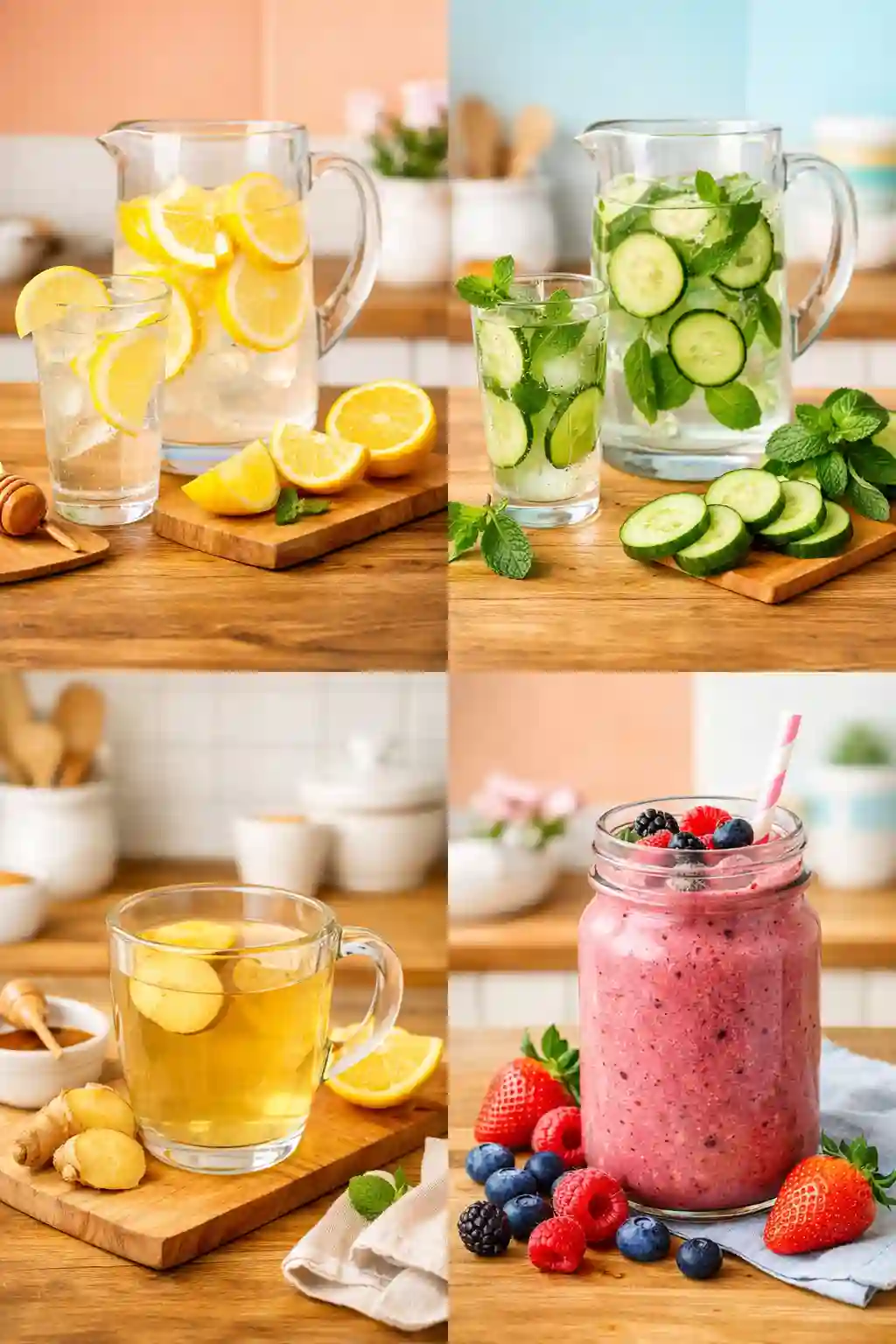
If you want to try homemade drinks yourself, explore these step-by-step recipes available on ToLearnRecipes. Each guide explains the ingredients, preparation steps, and simple variations you can prepare at home.
Mineral and Pink Salt Drinks
These recipes explain how to prepare simple mineral-based drinks using pink salt and citrus ingredients.
- Japanese Pink Salt Weight Loss Drink
- Pink Salt Weight Loss Recipe
- Pink Salt Diet Drink
- Pink Salt Drink Ingredients Guide
Herbal and Tea-Based Drinks
Herbal drinks and teas are popular homemade options that add flavor without added sugar.
Infused Waters and Refreshing Drinks
Infused waters combine fruits, herbs, and vegetables to create refreshing hydration drinks.
Smoothies
Smoothies can provide a more filling drink option when prepared with balanced ingredients.
Related Guides
These related guides provide additional information about lighter recipes and common diet trends.
Each recipe page includes preparation tips and ingredient suggestions to help you choose drinks that match your taste and daily routine.
Conclusion
Homemade weight loss drinks can be a simple way to improve daily hydration and reduce sugary beverage consumption. Drinks such as infused waters, herbal teas, citrus-based drinks, and balanced smoothies are easy to prepare and can fit naturally into everyday routines.
While these drinks are not quick solutions for weight loss, they can support healthier habits when combined with balanced meals, regular movement, and consistent routines.
Exploring different homemade drink recipes can help you discover options that match your taste preferences and daily habits. Over time, choosing lighter homemade drinks may make it easier to maintain healthier beverage choices as part of a balanced lifestyle.


Super realistic and helpful guide, thnks
Thank you so much, Elody!
We’re really glad to hear you found the guide realistic and helpful — that’s exactly what we aim for at ToLearnRecipes. Each drink is tested and designed to fit into real daily routines without stress or overcomplication.
If you end up trying any of the recipes, we’d love to hear which one’s your favorite. Your feedback means a lot to us!
Warm wishes from our kitchen,
– Chef Natalie & the ToLearnRecipes Team